Venice, Italy (Venezia in Italian) is still one of the most interesting and lovely places in the world. Venice has decayed since its heyday and is heavily touristed (there are slightly more tourists than residents), but the romantic charm remains.
Understand
History
The Most Serene Republic of Venice dates back to 827, when a Byzantine Duke moved its seat to what is now known as the Rialto, and for the following 970 years, prospered on trade and under the rule of a Roman-style Senate headed by the Doge. Alas in 1797, the city was conquered by Napoleon, a blow from which the city never recovered. The city was soon merged into Austria-Hungary, then ping-ponged back and forth between Austria and a nascent Italy, but Venice is still a monument to the glory days of the Renaissance, and historical culture still throbs powerfully in the old Italians' veins.
Climate
The summer may be the worst time to visit: it's sometimes very hot and often humid, the canals usually smell (in the most literal sense), there are occasional infestations of flies, and there are more tourists than usual. Spring and fall are probably best, a compromise between temperature (expect 5-15°C in March) and the tourist load. Between November and January, you may manage to feel you have Venice all to yourself, an interesting and quiet experience. That said, if you've never been to Venice, it's better to go in summer than not to go. You won't regret it. Many cities are far worse in summer, and Venice has no cars, hence no smog.
Acqua alta (high water) has become a fact of life in Venice. The lagoon water level occasionally rises above the level of the squares and streets, flooding them. This can happen several times a year, at irregular intervals, usually in the colder months. Acqua alta usually lasts a couple of hours and coincides with the tides. You'll see raised walkways in side alleys ready to be pulled out when acqua alta hits. When the city begins to flood, sirens will sound to warn residents and businesses. If you speak fluent Italian, tune into news programs since their predictions of the times the flood begins and ends are usually on the spot.
You can get an acqua alta map at the tourist offices either at the railway station or St Marks. This will show you the higher, dry routes and the ones with walkways setup during the various flood alerts. There is a tide measuring station at the Rialto vaporetto piers, and a noticeboard at the base of the Campanile in the Piazza San Marco that shows a live tide reading and predictions for the next few days.
History
The Most Serene Republic of Venice dates back to 827, when a Byzantine Duke moved its seat to what is now known as the Rialto, and for the following 970 years, prospered on trade and under the rule of a Roman-style Senate headed by the Doge. Alas in 1797, the city was conquered by Napoleon, a blow from which the city never recovered. The city was soon merged into Austria-Hungary, then ping-ponged back and forth between Austria and a nascent Italy, but Venice is still a monument to the glory days of the Renaissance, and historical culture still throbs powerfully in the old Italians' veins.
Climate
The summer may be the worst time to visit: it's sometimes very hot and often humid, the canals usually smell (in the most literal sense), there are occasional infestations of flies, and there are more tourists than usual. Spring and fall are probably best, a compromise between temperature (expect 5-15°C in March) and the tourist load. Between November and January, you may manage to feel you have Venice all to yourself, an interesting and quiet experience. That said, if you've never been to Venice, it's better to go in summer than not to go. You won't regret it. Many cities are far worse in summer, and Venice has no cars, hence no smog.
Acqua alta (high water) has become a fact of life in Venice. The lagoon water level occasionally rises above the level of the squares and streets, flooding them. This can happen several times a year, at irregular intervals, usually in the colder months. Acqua alta usually lasts a couple of hours and coincides with the tides. You'll see raised walkways in side alleys ready to be pulled out when acqua alta hits. When the city begins to flood, sirens will sound to warn residents and businesses. If you speak fluent Italian, tune into news programs since their predictions of the times the flood begins and ends are usually on the spot.
You can get an acqua alta map at the tourist offices either at the railway station or St Marks. This will show you the higher, dry routes and the ones with walkways setup during the various flood alerts. There is a tide measuring station at the Rialto vaporetto piers, and a noticeboard at the base of the Campanile in the Piazza San Marco that shows a live tide reading and predictions for the next few days.
Getting there
Because Venice is on a lagoon, the water plays a crucial role in transportation. The most popular way to approach Venice is by boat or train.
By plane
The closest commercial airport is Marco Polo Airport (ICAO : LIPZ, IATA : VCE), on the mainland near Mestre (a more typical Italian city, without Venice's unique structure). The Treviso Airport (ICAO : LIPH, IATA : TSF), located 25 km (16 mi) from Venice, is relatively smaller but becoming increasingly busy as the main destination for Ryanair, Wizzair, and Transavia budget flights. From Treviso Airport, ATVO offers a €10 round-trip ticket price from-to Venice.
Both airports have bus connections with Venice (Piazzale Roma), Mestre, Padua and other towns. ATVO 'pullman'coaches (€10 return) run to and from Treviso to co-incide with flights. Marco Polo airport runs a shuttle bus --€3-- (or just turn left and walk 10 minutes under the awning) to the Alilaguna water-bus jetty, where €13 gets you a leisurely 75 minute boat trip to San Marco via Murano, Lido and the Arsenale. Or take the cheaper boat (€6,50) to Murano which takes only half an hour. Alternatively, you can travel in style (and much faster) by hiring one of the speedy water-taxis (30 mins) for about €100. All these tickets are now buyable online on Venicelink.com
The San Nicolo Airport (ICAO : LIPV, IATA : ATC) is an airfield directly on the Lido. It handles only small aircraft, as the runway (grass) is about 1 km long, and does not have any scheduled flights, but might be of interest to private pilots (arrivals from Schengen states only) due to its convenience to the city (it is a short walk to the vaporetto landing).
By train
Trains from the mainland run through Mestre to the Venezia - Santa Lucia train station on the west side of Venice (make sure you don't get confused with Venezia Mestre which is the last stop on the mainland!). From the station district, water buses (vaporetti) or water taxis can take you to hotels or other locations on the islands (or you can walk). Direct trains to Venice are available from many international destinations, including Paris (sleeping cars), Munich, Budapest, Zagreb & Ljubljana. From Vienna (Wien) Trains can be arranged via the Austrian ÖBB train system .
By car
Cars arrive on the far western edge of Venice, but remain parked at the entrance to the city (Piazzale Roma or Tronchetto - Europe's largest car park.) There are no roads past this point -- and never were, even before cars. Car parking is expensive here and the tailbacks can be quite large. An alternative is to use the car parks on the mainland (terra firma) and catch a vaporetto, train or bus into Venice. Park near the Mestre railway station, and catch a train to Venezia St.Lucia; there are many trains, it is very near (8-10 minutes) and quite cheap. (Don't bother searching for free parking near the train station - there are no free parking spots near.) Besides, Venezia St. Lucia is a good starting point to visit Venice. However drivers going to the Lido can use the car ferry from Tronchetto (vaporetto 17 - frequencies vary), right hand lane off the Ponte della Libertà into the city.
By rental car
Most of the major rental car companies have outlets at Piazzale Roma, at the edge of the city. These are on the ground floor of one of the major parking stations. When you are dropping off your car, you need to find street parking and then walk to the rental car outlet and hand in the keys. Do not park in the parking station! There is a vaporetto stop across the road from the parking station.
By bus
There is a direct bus between Marco Polo airport and the Piazzale Roma, on the west bank of Venice. Starts twice an hour, takes 20 minutes and costs €3. The Piazzale Roma bus station is well served by vaporetti and water-taxis ... and of course, you can walk everywhere.
From Mestre, you can take a bus to Venezia- Piazzale Roma. the ticket is €1 but if you buy it in the bus it will cost €1.50. You can buy bus tickets from tobacconists and newsagencies. All of the city is connected to Venice by bus.
By boat
Ships arrive at the Stazione Marittima which is at the west end of the main islands, it is served by vaporetti and water taxis. An up-to-date site with all ferry schedules from Venice to Greece is online at Greek Ferries Center , AllGreekFerries.com , Ferries.gr , greekferries.gr and Greece-Ferries.com .
Traveling around
Venice is the world's only pedestrian city, is easily walkable, and the absence of cars makes it a particularly pleasant experience. Walking and standing all day can be exhausting too so acclimatise yourself. The Rialtine islands - the 'main' part of Venice - are small enough to walk from one end to the other in about an hour.
If you want to get around a bit more quickly, there are numerous vaporetti (water buses) and water taxis. The vaporetti are generally the best way to get around, even if the service route map changes frequently. If you are going to be in Venice for a few days visiting, it is a lot cheaper to get the vaporetti than to get private water taxis. If you want to have a romantic ride along the canals, take a gondola ride.
ACTV runs the vaporetti and other public transport services both in the lagoon and on the terra firma. Travel cards are extremely useful since the basic fare for one vaporetto journey is typically €6.50 whereas a 1 day travel card costs €18, and a 3 day costs €33 and there are other versions (including discounts for youth under the age of 29). Prices are correct as per January 2009 - current rates can be found here: .
Since February 2009 the Venice Connected website of the Comune di Venezia makes possible to book online (at least 7 days in advance) most services controlled by the town administration (public transportations, access to the civic museums, access to the public restrooms, car parking tickets, entrance to the Casinò and access to the municipal WiFi network which will cover all of the historic centre before the end of 2009); the online prices vary according to the projected number of visitors but are always cheaper than the current on-site prices (and cheaper than with a Venice Card).
One can also get a Venice Card, which has various options that you can choose when you buy it (public transportation, cultural entrance, toilette access, Alilaguna and so forth). There is a 'Junior' version of the Venice that is available at a slightly reduced rate for those between 5 and 29 years of age. Note, however, that a Venice Card is not recommended for those with less than 3 days in Venice, as most of the top attractions are not included in the Venice Card. If you'll be staying in Venice for a week - get the Venice Card and enjoy travelling from island to island and exploring the various museums and churches it offers access to.
Maps are available at the vaporetto stops in the ticket booths. The map is quite reliable, and is free when getting a Venice Card (€2 otherwise).
Venice Cards can be reserved on-line for a considerable discount here: . Keep in mind, though, that there are long lines when taking the Venice Card from the ticket booths. The Venezia St. Lucia ticket booth that offers Venice Cards is the one most on the right when you exit the train station.
Otherwise, take a walk! The city is not that big, and you can walk from one end to the other in a few hours. But it would take months for a fit person to discover every path in the city. Along the way you will discover marvelous art, superb architecture and breathtaking urban landscaping. Exploring the city randomly by walking is well worth it but also be prepared to get lost easily! Signs all over the city indicate the direction to the main attractions, "Rialto" and "San Marco", as well as the way back to the train station ("ferrovia") and the bus terminal ("Piazzale Roma"). These signs make it easy to have the "get lost experience" even as a one-day tourist.
See
Churches
Although San Marco is free, other famous churches charge an entry fee. If you plan to visit three churches or more, you are better off buying the churches pass. There is also a combined pass for museums, churches and transportation only available at the tourist information office but it is relatively expensive.
Saint Mark's Basilica (Basilica di San Marco), +39 041 5225205 (procuratorial phone number), 1st October to 31st March: 9:45AM-4:45PM; 1st April to 30 September: 9:45AM-5PM, Piazza San Marco, Water lines # 1, 52, and 82 will take you from Santa Lucia (the train station) or Piazzale Roma to Piazza San Lucia. Walking is another option but will require a map and lots of time and energy., Saint Mark's Basilica is on the *Piazza San Marco* and is one of the highlights of a visit to Venice. As with most churches in Italy, you must be dressed appropriately to be allowed in; this means no short skirts or bare shoulders. You are not allowed to carry large bags or rucksacks inside. You must deposit them just round the corner from the main entrance. Filming and photography is forbidden so be prepared in advance. The visit within the basilica lasts ten minutes. Waiting for entry into the basilica can last up to five or so hours and it may be wise to use alata.it to reserve your visit. Reserving is free of charge. Once you have a reservation you can take the group entrance on the left, where you give in the printout of your reservation.
San Giovanni e Paolo (San Zanipolo in Venetian dialect). A fine, huge Dominican church with the tombs of many Doges. It shares its piazza with the fine Renaissance facade of the Scuola San Marco and an equestrian statue of the mercenary (condottiere) captain Colleone. Look out for the testicles (coglioni in Italian - it's a lousy pun) on his coat of arms!
Santa Maria Gloriosa dei Frari. The big friary church, with fine monuments and paintings.
Santa Maria dei Miracoli. A perfect jewel box church, simple in form but ornamented with fine exterior marble facings.
Museums
There is a museum pass available for some of Venice's best known museums. It does not include all of them. It is already worthwhile buying it if you intend to visit the two big museums at Saint Marc Square: The Doge's Palace and Correr Museum. A more expensive pass also including some famous churches and transportation is available at the tourist information.
Correr Museum, San Marco 52, on San Marco Square, Interesting collection of globes, starting from the 16th century. There is also an only library hall, an archeological museum of Roman antiques and an important picture gallery. At the end of your visit, don't miss the museum art cafe, with their tables on the San Marco square.
Doge's Palace (Palazzo Ducale), San Marco square, Don't miss the guided tour named **Secret Itinerary** (€16), which will let you discover the part of the palace where the city's administration worked, as well as Casanova's jail and the wonderful five hundred year old roof structure.
La Fenice Theater (Teatro La Fenice), 300 m west of San Marco square, Visit this historic theater with an audioguide (good explanations in several languages). The theater is an identical reconstruction (rebuilt in 2003) of the previous theater building that burned down in 1996.
Jewish Ghetto of Venice, While racial and ethnic neighborhoods had existed prior to the Venetian Ghetto, Venice's ghetto was the first
The Jewish Museum (Museo Ebraico), +39 041 715 359, +39 041 715 359, Hours:1 June - 30 September: 10AM-7PM 1 October- 31 : 10AM-6PM The Museum is closed on Saturday (Shabbat), during Jewish festivities, on December 25th , on 1st January and on 1 May, Cannaregio 2902/b
Mocenigo Palace (Palazzo Mocenigo) , Closed on Mondays, vaporetto San Stae, A collection of clothes dating from the 18th century.
The Peggy Guggenheim Museum, +39.041.2405.411, +39.041.2405.411, Hours: W-M: 10AM-6PM. Closed on Tuesdays and on 25 December. Open on national holidays (including Tuesdays), Palazzo Venier dei Leoni, Located on the Dorsoduro region of Venice, to the east of the Accademia bridge, on the southern side of the Grand Canal, The Peggy Guggenheim Museum offers a personal collection of modern art collected by Peggy Guggenheim. Peggy was an American married to modern artist Max Ernst, and funded a number of his contemporaries. The gallery includes a sculpture garden and works by Picasso, Kandinsky, Tanguy, Duchamp, Pollock, Dali, and Mondrian.
Ca' Pesaro— Beautiful palace housing the gallery of modern art focusing on Italian art in the 19th Century as well as the Marco Pollo Museum, a rich collection mainly of Asian exhibits.
Ca' Rezzonico— Museum of the 18th Century in Venice - attempts to revive the domestic atmosphere of Venetian nobilities.
Bell tower of St. Mark's (Campanile di San Marco)— The current tower dates from 1912; an exact replica of the previous tower which collapsed in 1902. The top of the tower offers great views of Venice and the lagoon.
Clock tower (Torre dell'Orologio)— Having been closed for restoration for many years, the restored astronomical clock is now visible. The fascinating tour of the clock mechanism (and rooftop bell) can only be visited on a guided tour.
Scuola grande di San Rocco— A masterpiece of Tintoretto, this guild house is an exquisite example of Manierist art in its best. In order to allow a comfortable admiration of the detailed ceiling mirrors are offered to the visitors.
Galleria dell'Accademia di Venezia— Venice's most significant art museum which is also one of Italy's best. A must see! Regular tickets: €6,50, Reduced-price tickets: €3,25, Advanced reservation fee: €1,00.
Other Classical art museums are:
Glass Museum (Museo del Vetro)— On Murano, the island so typical of its glasswork. Closed on Wednesday, 25 December, 1 January. Working hours: 10 - 16 (winter), 10 - 17 (summer). Full price: €6, reduced price: €4.
Goldoni's House (Casa Goldoni)— House of Venice' famous playwright.
Lace Museum (Museo del Merletto).
Other museums include:
Museo Fortuny.
Museum of Greek Icons.
Natural History Museum.
Naval History Museum (Museo Storico Navale).
Palazzo Grassi.
Scala Contarini del Bovaro.
Exhibitions
Leonardo da Vinci in the Chiesa di San Barnaba shows machines reproduced from Leonardo's codices. Some of the exhibits are interactive and copies of the codices are available for further reading. Campo San Barnaba, opening hours 9:30 - 19:30, just until 30th December 2009.
Outdoor sights, piazzas, bridges, canals
Don't miss the Rialto market and the Rialto Bridge (Italian: Ponte di Rialto) on San Polo, the smallest sestiere. The Rialto market is for shoppers. To the east is a neighborhood of small shops and restaurants; the the west is the Rialto farmers' market. Shopping is slightly less expensive than in the tourist-filled Piazza San Marco. The bridge has become one of Venice's most recognizable icons and has a history that spans over 800 years. Today's Rialto Bridge was completed in 1591 and was used to replace a wooden bridge that collapsed in 1524.
Zattere. It's a long and sunny walk along the Giudecca canal, protected during winter time from cold northerly winds for being exposed to south and shielded by buildings. You might find interesting to see how a gondola is made, stopping by the Squero (Venetian for small ship yard) across the canal near San Trovaso Church. It's one of the few still in business in town. With some luck, you'll see some gondole through various manufacturing steps (note that gondole are not straight to counter-balance the gondoliere push).
Things to do
Events
Voga Longa, the yearly equivalent of a marathon run on water will be held on 31st May 2009 for the next time. Voga Longa competitors must row 32 kilometers under 3.5 hours to receive a certificate of attendance at the finish line, but everybody with a human-powered vessel is welcome to participate (some foreigner teams take up to 10 hours to complete the journey just for the fun of it).
The official purpose of the Voga Longa was to protest the sharply increasing use of powerboats in Venice, but the event has gradually grown into a festival since 1974, with up to 5500 racers in 1500 vessels attending by the early 2000s. The racetrack visits different parts of Venice as well as some of the nearby islands. Locals and tourists lining up alongside rios and canals cheer the racers.
Visitors wishing to participate should have serious experience in rowing or sculling and practice duely, as the journey is physically demanding (even seasoned oarsmen develop calluses by the finish line). The event is mainly for teams, completing Voga Longa on a single oar is considered a major achievement. Extreme participation (scuba frogmen and surface swimmers) sometimes occurs, but it is not recommended due to water contamination issues.
Regata 'Storica (Historic fleet event) is held on the first Sunday of every September. Celebrating a historic event from 1489, the regatta displays almost a hundred varieties of venetian boats from the city's rich past. Large oarships, replicating ancient roman and medieval vessels, are rowed along the Canal Grande, followed by many smaller boats. There are several races, including a master championship for solo sculling in streamlined gondolini, painted in unusual white, pink, etc. colours. There are many excellent photo opportunities for this event.
Activities
Ride a Vaporetto (Water Bus) down the Grand Canal right before sunset. The Vaporettos are inexpensive, but the sights are priceless: amazing architecture, soft seaside sunlight, and a fascinating parade of Venetian watercraft.
Take a Gondola if you can afford it: it's expensive, but the Gondoliere may decrease the price if you ask (but they can also decrease the time...). Make sure you reach an agreement on price and time before you start! A good tip with the Gondolieres is to bargain the price down as low as you can, then say that it's still too much and walk away. Two or three of them will chase after you, one after the other, each offering a lower price than the last. It's possible to knock €20-€30 off the price(even then, be prepared to shell out €80).
Some guidebooks discourage tourists from asking for gondola price reductions. The oarsmen have an informal habit of cutting the most interesting and little-known parts from the journey path for "discount" customers. Reduced rate riders get much less marvel in exchange for a moderate price drop, which may not be worth it.
Gondolier-for-hire business licenses are officially limited to just 430 to 455 rowers in Venice, making the market artificially scarce and inflating prices. Gondola rides are always costly, often in a princely way and that expense should be planned in advance of the visit. If you go as a group it might be cheaper, though the number of people who can be accommodated on a gondola varies, usually up to a maximum of six seated passangers. The "traghetti" holds more, mostly standing, as a pair of gondoliers rows short distances for canal crossing purposes at a number of points along the Grand Canal.
Venetians and especially the gondoliers among them have highly conservative ideas about society: by 900 years of tradition, all gondoliers must be male and most are born locals. There are only a few Germans in the business and a single lady, Alexandra Hai, who couldn't manage a for-hire license even after 10 years. She is officially banished to carry guests of her contract hotel only.
If a gondola seems a little pricey, the alternative is to cross the Grand Canal by traghetto. These only cost €0.50 to use and are largely gondolas that have seen better days, They are stripped down and used as municipal ferries. In the 1950's there were as many as thirty, but now there are seven points to find them. However some only operate when people are going to and from work. The length of any crossing is just a few minutes. Many visitors enjoy visiting the open air markets near the Rialto Bridge and there is a traghetto station there, at the Pescheria (fish market) joining the Santa Sophia church along the Strada Nova. You will notice that traghetti passengers tend to stand up, but if you are not comfortable doing so, sitting is possible, if you are careful.
If you are looking for something to do, you can always shop. Venice is packed full of little stores in every corner and crevice. The commonest local specialties are Carnival masks, glass, and marbled paper. Price can vary wildly, so it's a good idea to hold off buying until you have a fair idea about the relative value of things. As is the case with most tourist cities, a LOT of the "original " and "made in Venice" items are actually made in China. Murano is an island famous for its glass making. Almost in every shop you will find "original Murano glass" items. If it was really made in Murano, it would be prohibitively expensive, with prices routinely running into thousands of euros. So if you are looking for cheap souvenirs, real Murano glass is not the thing to buy! You can also see glass making demonstrations in Murano, but be sure to check that there is a demonstration scheduled for that day. And it is normally not done in winter either.
Spend a day on the islands, mainly Murano, Burano and Torcello. There are boat services to all these islands at scheduled times, including between the islands themselves. Be prepared for long lines and long waits for the boats between islands. The Glass Museum in Murano and the Lace Museum in Burano are certainly worth a visit. In Burano you will find some of the most picturesque streets and houses, with each house sporting a different pastel shade. Its really beautiful. Though there is not much to see in Torcello except for the old church, the peace and tranquility of the island is not to be found anywhere else in Venice! Just walking around on these islands is a nice experience. If you've had enough of the hype and the other tourists, hop off the vaporetto at 'Cimitero', Venice's graveyard for a peaceful walk. There is also a free toilet there.
While going through Venice, make sure you take in the beauty of it all. Walk through the alley ways, and take the water taxi to different parts of the island, sometimes at night you can just go sit in a main area and watch people and tourists. It is wonderful. There are many museums and churches that are around the city that allow tourists to go in a visit. They are many great sights to keep you busy throughout your visit.
The “Secret Itineraries in Doge's Palace” worth a visit, take the visitor into the most secret and fascinating rooms in the Palace. It’s better to book in advance.
Because Venice is now pretty much only inhabited by tourists and people serving the trade, it gets very quiet by 9.00 and there is very little to do in the evening (outside of eating). There are a few exceptions, like some classical music concerts. If you want an entertaining evening whilst learning about the history of Venice then try: Carnival - The Show: Celebrating the Story of Venice'. It's in a rather splendid venue just next to St. Mark's Square - in the center. It uses very striking projections of video and painting and photos to completely change the auditorium. One moment you could be inside the famous Basilica, and the next, floating down the misty lagoons 1,400 years ago. There are live actors as well so it is fresh and feels like a proper show - and apart from being informative it can also be good fun. It plays pretty much every evening - and you can also buy a ticket for the meal with the show. You can find out more and book tickets on their website: .
If you would like to have a guide to show up the highlights of Venice, you can choose between many offers. There are walking or boat tours, focused on shopping or history or for art lovers, and many itineraries.
One tours site is Aguideinvenice.com and another is Artviva.com . Context Venice is a network of scholars who organize in-depth walks of the city's architecture, art, and history, including such unusual tours as an Ecology of Venice, a two-part seminar on Venetian Renaissance, Jewish Venice, and orientation walks of the Castello and Canareggio neighborhoods.
If you are the kind of person that prefer to find your way through the city on your own instead of being guided consider the Venice edition of The Ruyi, a series of guidebooks called whaiwhai that turn visits to Venice into intriguing treasure hunts.
If you are interested in exploring all things related with Italian food you have to visit the freshly open "i Tre Mercanti" (campo della guerra 2 mins from S.Marco square) an amazing food gallery where you can find typical Italian specialties, a wide range o f the best wines and the usual classics like Olive Oil, balsamic vinegar, parmesan, Limoncello along with hundreds of regional specialities (including 97 pasta sauces!). Classy and friendly the staff speak many languages and is open every day. If you don't feel like shopping you can always browse the shop and ask cooking tips and the history of products to the helpful manager.
Send a Postcard or even better, an entire mail dedicated to an important one (the old "snail mail" one, not the electronic variety)! Venice has a long, celebrated tradition in postal services, paper and written communication in general (including one of the earliest medival book printing houses).
Venice it's also Riviera del Brenta old canals.
You can go with local rental bike services shop in Mira to see antique villa Pisani at Stra, old watermill and big open air market at Dolo and fresh milk at farm on Mira.
Eat
Venice has some wonderful restaurants, featuring the cuisine of the Veneto. However it is widely regarded that the restaurants in Venice serve food of a quality and in quantities much lower than anywhere else in Italy. Specialties include polenta, made of corn meal; risotto with cuttlefish ink sauce. Diners should however be aware that for every genuinely wonderful restaurant or trattoria, there's another serving rubbish food at inflated prices, especially in the most touristed streets around San Marco. Rule of thumb: if there's a waiter outside pimping for business, it's probably best avoided.
Near the Rialto bridge there's a row of restaurants with tables by the canal, where you can have the quintessential Venice experience of dining by the canal lights. Although they do have waiters outside bugging you, some have pretty acceptable quality for price.
One of Venice's trademark foods is cuttlefish and its ink. This intense black ink serves as a sauce and ingredient for polenta (corn meal), risotto (rice), and pasta. These dishes are normally indicated by the Italian words "nella seppia" (in cuttlefish), "alla seppia" (in the style of cuttlefish), or "nero di seppia," (black of the cuttlefish). For example Polenta Nella Seppia is fried corn meal with the black ink of a cuttle fish. Despite the intensity in color, the ink has a surprisingly mild taste.
Be careful when the prices are in a weight basis (typically by the "etto", abbreviated "/hg". or 100 g). One dish can easily contain 400g of fish, meat (almost a pound),... 4 times the indicated base price!
Restaurants might offer low prices for food on their menus that they advertise outside the entrance, but they will sometimes compensate this by charging high prices for drinks (which is naturally not advertised). €5 for 33 cl of beer is not uncommon.
For fresh fruit (including chilled coconut!) watch out for the street market stalls.
To save money at lunch, eat standing up. Prices can arrive to as much as double as soon as you sit at a table. Minestrone soup is delicious but the server will often offer you a seat as soon as you choose this option. Sitting is worthwhile if you plan on staying a while. Some places will also serve free bread and water for seated patrons, but there is usually also a small charge (€1-3 per person) for "pane e coperto" (cover and bread).
If self-catering, the Rialto food markets are an absolute must for fruit, vegetables and cheese, but most of all for the huge range of seafood, much of it fresh out of the lagoon and still moving! Everything else you will find in the numerous super markets in the city.
Head to the Dorsoduro area of Venice if you want to save a few euros. It has the highest concentration of places where locals, especially students, go to eat. Generally staying away from the main squares will be the cheapest option. If you're willing and able to walk around the town, some back streets offer the best food for the lowest price. Seeing the city from this vantage point is a lot of fun too!
Budget
"Pizzeria ae Oche" is a local establishment with several locations in the city. The food is plentiful and the prices reasonable. On Calle del Tintor south of Campo San Giacomo dell'Orio, In Santa Croce. Look to spend between €5-10 for a pizza depending on how exotic your selection is.
"Pizza al volo" sells superb pizza by the (extremely large) slice in Campo Santa Margherita for approximately €1.80 a slice, €5 a whole pizza. It is by the fresh fish stall under a green awning.
"Cip ciap", on Calle del Mondo Novo, by Campo Santa Maria Formosa, also sells delicious takeaway pizza by the slice (or slab) at similar prices. They also serve very tasty mini pizzas per kilogram.
The "Brek" is a cafeteria style restaurant that offers a menu including main meal+drink+dessert for only €5. There is one close to the train station and another at the Marco Polo airport.
Venetian snacks (cichetti) can be brilliantly inventive, in small "tapas-style" serving sizes. Look for places (especially wine bars) popular with non-tourists, the prices are very reasonable.
There are still many small bakery shops and "biavaroli" where you can buy bread, cheese etc., particularly near the Rialto market area. If you want to buy water (Venice has excellent free tap water easily accessible at the numerous fountains located outside throughout the city) it is usually cheapest to get it at the supermarkets: there are Billa or Co-op stores located throughout the city, though supermarkets are often "disguised" in nondescript buildings in Venice for space limitations.
Mid-range
Please give prices
La Bitta, Dorsoduro 2753A, calle lunga, san Barnaba, tel 523 0531. This busy but friendly restaurant is in the more studenty area of Dorsoduro, and attracts a mixture of locals and tourists. They have some excellent Italian dishes, which are reflected in the prices, plus they have a great selection of wines. Meals served 6:30PM-11PM, closed in August.
Osteria alla Botte, 041 5209775, San Marco 5482, campo San Bartolomeo, A bacaro 100 m east of Rialto bridge and surprisingly quiet. Large square pictures of seafood decorate the walls, and friendly staff are swift and helpful. The dishes are mainly seafood, and there is a good wine selection provided. The prices are reasonable for Venice.
Osteria Al Cravatte, Santa Croce 36/37, 500m east from Piazzale Roma, This little restaurant is frequented by the professors of the nearby university. Warm welcome and a good eat.Try their raw artichoke salad or their fish of the day.
Do Farai, 041 2770369, Dorsoduro 3278, 100m west of Cà Foscari, Very fresh shell fish. Taste their spaghetti **al dente** with razor shells.
Gianni, Zattere 918. tel +39 041.523 7210. This is a very friendly family restaurant overlooking the Guidecca Canal. The menu starts at €8.50 pizzas and pastas. The wine selection is good with many available in a choice of 250 cL, 375 cL and 750 cL bottles. The interior is almost art deco and surprisingly light. It is used by a lot of regulars, both local and returning tourists. They are closed on Wednesdays and between Christmas and Festival.
Osteria Mocenigo, 041 5231703, Closed on Monday, Salizada San Stae, near the Mocenigo museum, Little restaurant frequented by locals. Be sure to try their antipasti. Excellent desserts too.
Timon (eno - ostaria), Fondamenta degli Ormesini, south-east of the Jewish Ghetto, Warm and local atmosphere in this little osteria where they serve great Italian vintages by the glass. If you're adventurous, try their tasty tripe. Good music inside, some table by the canal in the summer.
Al Vecio Canton, Castello 4738 . Just 8 minutes from Piazza San Marco (200 m NE), this small and atmospheric restaurant/pizzeria will absolutely enchant you. Famous for its traditional style pizza and seafood pasta, you will not only get it all at affordable prices (pizza from €6, pasta from €8, wine from €5/half litre), but you're also served by a most friendly and hearty staff. They top it off with a free home made digestivo (mostly vodka and lemon) at the end of your meal, just to make 100% sure you'll be coming back for more.
Trattoria Veneziana, 041 710749, Sestiere Santa Croce, 285, 200m SE of Piazzale Roma, Warm welcome, good cooking (try their mixed grilled fishes), frequented by locals and tourists.
Antico Dolo, San Polo 778 . A old seafood restaurant in Venice close to Rialto bridge: food comes from the adjacent Rialto Market daily. A complete dinner excluding wines could cost €35 each more or less.
Al Giardinetto, Castello 4928. . Just behind the Piazza San Marco, this restaurant has a large private courtyard welcoming guests during good season. Seafood courses and Venitian specialities are served by Severino family.
Vino Vino, (between La Fenice Opera House and via XXII Marzo), offers typical Venetian cuisine and snacks at medium prices. The largest selection of top-quality italian and imported wines (over 350) available by the glass or by bottle.Close to St. Mark's Square, it is a unique place that can exist only in Venice, where backpackers chat with baronessas, gondoliers with golfers, and where Venetians discover new vistas.Open non-stop from 11.30 a.m. to 11.30 p.m. phone: 041 2417688 www ,
Il Refolo, 041.5240016, S. Croce, 1459, Nice restaurant at a small piazza. Very good pizza (~10€) as well as a decent menu.
Splurge
Antico Martini Restaurant (since 1720) A luxury restaurant, favorite among the famous names of culture and business, the Antico Martini also attracts expert gourmets and famous personalities since the 1800s who come to enjoy unforgettable flavors. Beautiful detail and restaurant decor, romantic atmosphere. Address: Campiello della Fenice, S. Marco 2007 - 30124 Venice - ITALY Tel.(+ 39) - 0415224121 or 041 5237027 Fax (+ 39) - 041 5289857 Open all days , .
Restaurant Antiche Carampane, San Polo 1911 Venice, phone +39 041 5240165 . Situated in the heart of Venice, only steps away from the Rialto Bridge, is this renowned restaurant where distinguished Venitian cuisine is served in a familiar setting.
Restaurant La Caravella, Via XXII Marzo 2398 Venice, phone +39 041 5208901 . Historical place, very near St. Mark's Square, known since the 60's and has become a must if you like traditions. Open every day all year round, offers, together some typical dishes a large selection of wines. From May to September service is in a tradtional courtyard.
Do Leoni, Hotel Londra Palace. Amazing food, for a really quite reasonable price if you consider other prices in this city.
Do Forni, near St Marks. Very expensive and not realy very nice food.
Cake shops
Pasticceria Tonolo, 041 523 7209, Dorsoduro 3764/5, Crosera San Pantalon, 400m east of Piazzale Roma, An 120 year old patisserie. Taste their cake with crystallized fruits or their marzipan cake.
Bar Pasticceria Gilda Vio, Rio Marin 784, S. Croce, Best tiramisu, at least in S. Croce.
Ice Cream
You will find ice cream all over the city, and you will hardly survive a hot summer day without. Prices are 1 - 1.50€ for one scoop, 2.50 - 3.50€ for three scoops.
Drink
Although there are many fantastic bars in Venice, if you're planning a night time "pub crawl" you should plan a few places to visit in advance, otherwise it's very easy to waste an hour wandering aimlessly in search of a watering hole that's actually open (especially midweek).
There are two late-night drinking areas in Venice. Piazza San Marco is not one of them. Although it is very pleasant and there are many people wandering around late. But the actual late night scene is in either Campo Santa Margherita, near the University Ca' Foscari in Dorsoduro; or in Erbaria on the West side of the Rialto Bridge where the main vegetable market is held during the day.
Try a Spritz (with either Campari, Select or Aperol), a typical drink loved by all Venetians that's usually drunk while eating cicheti. You can find it in almost every bar in the city. Price is about €2, more in a touristy place.
If you try the famous Veneto Grappa be careful--it's almost pure alcohol.
The Bellini was invented in Harry's Bar in Venice. It is a mix of white peach juice and Prosecco (the ubiquitous Venetian Champagne-like sparkling wine). Fermented at a low temperature Prosecco develops amylic aromas (fruit drops), though these perhaps mix better with fruit juices than does the more austere Champagne. Classic Bellinis should never be made with Champagne. Although by normal standards expensive, a Bellini in Harry's Bar (€17 for a 1.5 oz drink is obscene) is still much cheaper than on the terraces of similar '5-star' establishments in the city.
Beer in a small pub is about €5 for a pint (birra media).
Espresso, the real italian, is about €1 at the bar, €2 at a table.
Pubs
Devils Forest Pub. A traditional English style pub with a very fun atmosphere. It is located near the Rialto Bridge and tucked into a small alley near the Disney Store.
Pub Taverna L'Olandese Volante, Campo San Lio, Castello 5856, Venezia, ph +39 041.5289349. It is located between The Rialto Bridge and Piazza San Marco. During the summertime there are tables outside when you can easily sit and rest after a day of wandering around this marvelous city. What is more, during the day pasta and other typical dishes are served at a budget price.
There are two Irish pubs in Venice. One is located along the Strada Nova in Cannaregio; the other one is the Inishark just before Campo Santa Maria Formosa.
Sleep
Hotels in Venice are expensive. Some of the smaller hotels offer better rates.
Staying in a hotel on the Lido (15-20 minutes by Vaporetto) is a cheaper alternative to staying in Venice proper. The island of Lido also has a long beach where tourists and Venetians alike go swimming during the summer months.
In the last few years, holiday or short rentals apartments have increased in number and quality, now you can rent (minimum stay is usually 3 nights) a Palazzo on the Grand Canal as a little flat near Rialto.
Some Italians at the train station may approach you to find out if you need a room. While some of these people may be con artists, not all are. Some work for family members and will be able to negotiate a price for you. They will usually ask what your budget is and will call a hotel or two to see if the owner will accept the price you suggested. Do not accept the offer if you think the situation is suspect or think you may be exploited. Always get a receipt for the transactions!
If you are presentable, and you plan to stay in Venice for at least a few weeks, drop into the apartment rental agencies. These are usually for a minimum of 6 months but they often know people who are renting out apartments for shorter durations.
Bed and Breakfast
Antica Casa Coppo , San Marco 4320/1/2 Venice, ph +39 041 5233585 fax +39 041 2770843. Antica Casa Coppo, delightful boarding rooms in the heart of historical Venice.
Bed and Breakfast Venice Ca' del Pozzo , Venice, ph +39 041.2413875 fax +39 041.2443203. Ca' del Pozzo is a brand new bed and breakfast in Venice, completely restructured in 2003 and situated in the characteristic Campo San Maurizio, a couple of steps from the famous La Fenice Theatre and just a few minutes from St. Mark's Square.
Bed and Breakfast Ca' delle Acque , Venice, ph +39.041.2411277 fax +39 041.2414112. Ca' delle Acque is a well situated Accommodation, just 2 minutes from S.Mark's square and Rialto Bridge. Rooms from 69 EUR.
Faronhof b&b , Venice, ph +39.041.428262 fax +39 041.5631829. British family run b&b near to downtown Venice. Rooms from 45 EUR.
Budget
Ai Tolentini, Calle Amai, Santa Croce 197/G, 30135. Tel: +39 041 2759140, fax: +39 041 2753266, . Near Piazzale Roma and the train station. Doubles from €65.
Ai Do Mori, St. Marco 658, 30124. Tel: +39 041 5204817, fax: +39 041 5205328, . As close as it gets to Piazza San Marco, but on the second and third floor, so it still is quiet at nights. Clean and nice rooms, tv, aircon, very friendly staff. Doubles from €55/night.
Alloggi Agli Artisti, Calle Priuli Cavalletti 99, Venice historical center, . Alloggi agli Artisti is a brand new hotel in a convenient location: only 150 meters away from the main central Venice railway station (Santa Lucia). Guests can choose between rooms with bathroom ensuite (with hairdryer), and rooms with sharing bathroom on the floor (cheaper). From €50 to €90 for a double room, depending on the season.
Alloggi La Gondola, Calle del Forno 180 (Follow the canale grande, after crossing the big station bridge turn west for 150 m (164 yd)). From €20.
Antico Fiore, San Marco 3486, tel +39.041.5227941 fax +39.041.2413879. An eighteenth-century building which has been carefully restored. Easy and quick access to the vaparetto and located near charming shops and old churches. Really great gelato nearby. Rooms from 65 EUR.
BedandBreakfastVenice Querini San Marco, Castello 3520, Venice. Tel. +39 339 5309009. . Not just a B&B, a few minutes from S. Marco. Studios from €80.
B&B La Rosa dei Venti Castello 2143, tel. +39 041 2413133, fax +39 041 7241062 . Very beautiful, spacious rooms in lovely Venetian style along with large bathrooms. Good and filling breakfasts. Well situated near San Marco Square.
B&B Venezia, via Degan 7, Venezia-Mestre (10 minutes by city-bus from center of Venice). B&B is a young Venetian organization that offers accommodation in a new structure made up of single and double bedrooms, all with private services, air conditioning, room bar, digital television with infrared-control, safe-box that can hold a portable computer. From € 40 per person/night.
Ca' del Dose, Castello, 3801 - Venice, ph +39 041 5209887 fax +39 041 2774098 . Ca' del Dose: a completely restored Venetian inn, just steps from St. Mark’s Square.
Ca' Fontanea Guest House, +39 041.716648, +39 041.716648, Canareggio, 786 - Campiello delle Beccarie, Located near the rail station, the rooms are simple but clean and they have air conditioning. For longer stays check into their apartments.
Ca' Rialto, Riva del Ferro, San Marco 5149 - Venice, ph +39.041.5209166 fax +39.041.5238958 . Located in a building overlooking the Grand Canal and Rialto Bridge. Singles from €50, doubles from €60 (extra bed €30).
Casa Tanzi Appartements, San Polo 1495, 30100, ph +39.041.2412550 fax +39 041.2412550, . Located between the Rialto Bridge and San Marco Square and a stones throw from the Vaparetto stop. Rooms are filled with Venetian Elegance with colorful silk wallpaper and matching canopy hanging over the bed. Look for their special internet pricing.
Hotel CaSa Linger, Fondamtenta St.Antonin castello 3541, . €22-40 per person/night. Close to both Rialto Bridge and San Marco Square, this budget hotel is a good deal in Venice.
Hotel Diana, Calle Specchieri 449, 30124 , Venezia ph +39.041.5206911 fax +39.041.5238763. The Hotel Diana has good prices on rooms, and is only 100 yards from the front entrance to the Basilica San Marco. Excellent location to see the city, rooms at around €70 per person per night.
Hotel Serenissima, Calle Goldoni 4486, San Marco 30124 , Venezia ph +39.041. 5200011 fax +39.041 5223292. The Hotel Serenissima was completely refurbished at the start of 2007 and is a one minute walk from the Piazza San Marco. Simple and comfortable rooms from around €80 per person per night.
Locanda Gaffaro, Dorsoduro 3589, 30123 ph +39.041.2750897 fax +39.041.2750375 . Locanda Gaffaro is in a picturesque court near Piazzale Roma. Doubles from around €100.
Locanda Sant'Anna, C.te del Bianco, Castello 269 . One star. Locanda Sant'Anna of Venice is located only 3 minutes from the Gardens of the Biennale, providing a family atmosphere complete with modern comforts. Single from €35, Double from €45. Quiet hotel with secure courtyard and wonderful rooms, some with a canal view (for a higher price) overlooking the peaceful Isola di San Pietro. Common balcony over the canal. Includes typical Italian breakfast from 8AM-9:30AM with coffee or hot chocolate and rolls, croissants, and toast. Easily accessible from the main bus/train station by vaporetto to stop 'S. Pietro' or 'Giardini'. Doors close at 1AM. Pay in cash for a discount.
Pensione Seguso Venice, D.D.779, 30123, Venezia ph +39.041. 5286858 fax +39.041. 5222340. The Pensione Seguso is a charming traditional Italian Pensione with affordable accommodation overlooking the waterfront close to San Marco. A building and hotel with a long history, the spacious and light rooms start from €60 per person per night.
Residenza Laguna Venice, S. Polo n° 1016, 30123, Venezia Ph. +39.041. 2960575 Fax +39.041. 2447441. The Residenza Laguna is a great little b&b close to Ponte Rialto bridge with spacious and stylish rooms. Nice family run accommodation starting from €70 a head per night.
Venice Hostel, +39-041-5238211, Fondamenta Zitelle 86, Isola della Giudecca, One of many hostels in Venice. This hostel is in Giudecca (which means a short boat ride to the rest of Venice). Just a bed: clean, cheap and reasonable.
Mid-range
Albergo San Marco, +39.041.5204277 , +39.041.5204277 , San Marco, 877
Please give prices
Ateneo Hotel Venice, San Marco 1876, 30124, ph +39.041. 5200777 fax +39.041 5228550. The Hotel Ateneo Venice is close to Basilica San Marco and is a quality 3 star hotel. Rooms start at around €120 depending on season and the convenient location comes in handy.
Antica Casa Carettoni Venice, Lista di Spagna 130, 30121, Venezia ph +39.041. 716231 fax +39.041. 2750973. The Hotel Antica Casa Carettoni Venice lies close to Santa Lucia Train Station and the waterbus stops, making it easy to get to and easy to see the city from. This recently restructured 3 star hotel sits in an old convent and offers quality accommodation starting at aroud €120-130 for a room for two.
Antica Casa Coppo, San Marco 4320/1/2, tel +39 041 5233585, fax +39 041 2770843. Classic Venetian styled rooms starting at €100 a night. The location near the Rialto Bridge makes this hotel one of the more popular properties for budget minded travelers. Also has wifi internet.
Antico Casin Locanda Corte Contarina, San Marco 1520/a, tel +39-041.5207002 fax +39-041.795122. A refined example of contemporary design, located close to Saint Mark's Square. Doubles from €90.
Ca' Valeri Castello - Ramo dei Corazzieri 3845 tel +39 041.2411530 fax +39 041.2415392. Ca' Valeri welcomes guests into its luxury residence where an atmosphere of charm and comfort defines an ambience of class. Double from 100 EUR.
Bisanzio Hotel Riva Schiavoni, Calle della Pietà, 3651 Castello, tel +39 041.5203100 fax +39 041.5204114 . Located behind St. Mark's Square. Recently renovated, this hotel is contemporary looking. Accented with beamed wood ceilings and walls to give a touch of elegence.
Ca' Amadi, Cannaregio 5815, 30121, tel +39 041.5204682 fax +39 041.5206701 . Ca' Amadi is situated at the heart of the old town center of Venice, extremely close to the famous Rialto Bridge and 10 minutes from Piazza San Marco. This 13th century palace was once home to Marco Polo. Décor is keeping with the period, and the rooms are utterly charming. Original wall fresco’s from the 1400’s adorn the hotel.
Ca' Bauta, Castello 6457, tel +39 041 2413787, info@cabauta.com, fax +39 0415212313, . Located in the in the city’s historic centre, Ca' Bauta captures the spirit and splendor of Venice. Housed in a 15th Century building, this quaint hotel has very spacious rooms with high ceilings and is adorned with stylish furniture and fittings. To make the most of your stay in Venice, Ca' Bauta has a friendly, multilingual staff who are always eager to assist you in planning tours, booking concert tickets, and making restaurant reservations. Rates from €70 per night
Ca' Della Corte (B&B + appartments) , +39.041.715877, +39.041.715877, Dorsoduro, 3560 - Corte Surian, 300 m SE of Piazzale Roma, A comfortable B&B in a quiet area of Venice. Warm and personal welcome. Breakfast (served in the room) could be improved (by going to pasticceria Tonolo and bringing your own cakes e.g.).
Casa dei Pittori, +39 3491706428, S. Croce 1032 a, Casa dei Pittori Venice Apartments offers guests several apartments in an ancient palace totally restored, located in Venice city centre.
Continental Hotel Venice – Lista di Spagna – Cannaregio, 166 - Cap: 30100, Venice, Italy.. Telephone +39 041 71 5122 • Fax +39 041 524 2432. This three star hotel is in the Canneregio district and the Jewish Getto. A very typical area of Venice, also close to the train station. The Continental Hotel is an historic building belonged to a noble family, with 93 bedrooms (95-194 euros) capable to host any kind of guests.
Corte 1321 San Polo 1321, 30124 Venice, ph +39.041.5224923 fax+39.041.0997849. Located near the Rialto Bridge, owners Larry and Amelia do a wonderful job at making your stay perfect. Large spacious rooms with double sink bathrooms ensure a comfortable stay. Lovely courtyard for dining is made memorable with local birds strutting and cooing. Double rooms from €100. Double rooms from €100.
Domus Ciliota, Calle delle Muneghe - S. Marco . Just a 5-10 minute walk from San Marco's Square, this is a good base for exploring Venice. The hotel has over fifty clean, basic, air-conditioned rooms all with shower and WC. The reception is English speaking and is open 24 hours. There is an area for leaving baggage after you've checked out. Single rooms are €70-85 and doubles are €100-110 including breakfast.
Helvetia Hotel Venice – Gran Viale, 4 – Cap: 30126, Lido di Venezia – Italy. . Telephone +39 041 5260105 • Fax +39 041 5268903. Large option of rooms for this three star hotel offering 57 bedrooms with air conditioning and private en-suite service. The Helvetia Hotel is on the island of Lido, where every year is held the famous film festival, and is connected to the main island of Venice and San Mark square by the efficient system of water boats. The hotel is closed between October and April. The price for a double is around €150.
Hotel al Sole, Santa Croce 134/136, 30124 ph +39 041.2440328 fax +39 041.722287, Al Sole Hotel is a first class Hotel, situated in a noble palace built in the beginning of the 15th century, a short distance from Piazzale Roma. Doubles from €80.
Hotel Ala, San Marco 2494 (campo Santa Maria dei Gigli), tel +39 041 5208333, fax +39 041 5206390 . Good price for a good location. Breakfast is better than most, they have eggs and broiled tomatoes with cheese. Rooms were a typical size but clean, comfortable and quiet. They have turndown service at night, a pleasant surprise. Double rooms from €110.
Hotel Alla Salute Da Cici Salute 222, Fondamenta Ca' Balà, Venice ph +39 041.5235404 fax +39 041.5222271. A 16th-century palazzo, a stone's throw from Piazza San Marco and easily reachable from the station and Piazzale Roma. Doubles from €80.
Hotel All’Angelo Venice, San Marco 403, 30124, Venezia ph +39.041. 5209299 fax +39.041. 2743555. The Hotel All’Angelo has been run by the same family since 1924 in a 17th century building close to St Marks Basilica. Comfortable and stylishly decorated rooms with a double somewhere in the region of €150.
Hotel Antica Locanda al Gambero Calle dei Fabbri - San Marco 4687, 30124 Venice ph +39 041.5224384 fax +39 041.5200431. Single rooms from €90, Double from €110 (150€ if you want to choose a room facing the Canal).
Hotel Antico Panada San Marco 646, tel +39 041.5209088 fax +39 041.5209619 . Welcoming Venetian hotel, in the heart of the Sestiere (District) of San Marco, has rooms decorated in an 18th century Venetian style. Double Room rates range from €145 to €310.
Hotel Antico Palazzo Gottardi, Cannaregio 2283 3000 Venice tel +39 041 2759333 +39 041 2759421 . Antico Palazzo Gottardi stands in Strada Nuova, in the heart of the old city centre of Venice, between two buildings that look down onto the Canal Grande. Double from €120.
Hotel Basilea Venice, S. Croce-Rio Marin, 817, 30135, Venezia ph +39.041. 718477 fax +39.041. 720851. The Hotel Basilea sits just across the Grand Canal from Santa Lucia Train Station. Located in a quiet Calle, it offers excellent value accommodation that is in a central location. Double rooms are usually around €100-160 depending on season.
Hotel Becher,San Marco 1857, tel +39.041.5221253 fax +39.041.5212685 . This 18th century hotel enhanced by the most modern amenities, charming atmosphere and impeccable service. Single rooms from €70, doubles €110 and triples from €170.
Hotel Belle Arti, Dorsoduro 912a, 30100, ph +39 041 5226230, fax +39 041 5280043. The Hotel Belle Arti Venice sits in the heart of Dorsoduro, good central location. Room rates start from, depending on demand, €100 up to €220.
Hotel Belle Epoque, Cannaregio 127/128 - Lista Di Spagna, 30123, ph +39 041 240004, fax +39 041 2750159, . The Hotel Belle Epoque situated on the Lista di Spagna close to the Train Station offers quality rooms at good rates. Rooms start from €90 all the way up to €200.
Hotel Cà D'Oro, Calle delle Rasse, Castello 4604, 30121 Venice tel +39 041.2411212 fax +39 041.2414385 . The hotel is in a quiet corner of Cannaregio district, only 5 minutes walk from the Rialto Bridge and 10 minutes from St. Mark. Singles from €60, doubles from €80
Hotel Canaletto Venice, Castello 5487, 30122, Venezia ph +39.041. 52 20 518 fax +39.041. 52 29 023. The Hotel Canaletto Venice sits along a scenic canal close to St. Mark’s Basilica. Decorated and furnished in the traditional Venetian manner, this hotel offers excellent service and rooms that will make you feel at home at once in this stunning city. Tranquil and scenic, a room for two starts at around €110.
Hotel Capri Santa Croce 595, 30135, ph +39.041.2752300 fax +39.041.2752350. It is situated in a peaceful zone close to the arrival's terminals and main Venetian attraction's points. Doubles from around €140.
Hotel Continental, Lista di Spagna, Cannaregio 166, tel +39.041.715122 fax +39.041.5242432 .Right on the Canal Grande, the Hotel Continental is the ideal spot for an unforgettable vacation in Venice. Single rooms from €93, doubles from €155 and triples from €194 including taxes and breakfast.
Hotel Commercio e Pellegrino, Calle delle Rasse, Castello 4551/A, 30122 Venice tel +39 041.5207922 fax +39 041.5225016 . The Hotel Commercio e Pellegrino is a comfortable hotel in the centre of the city, easy to reach by public transport and just 2 minutes on foot to Saint Mark’s Square. Single rooms from €80, doubles from €100 including taxes and breakfast.
Hotel Firenze Venice, San Marco, 1490, 30124, Venezia ph +39.041. 5222858 fax +39.041. 5202668. The Hotel Firenze Venice is snuggled in a sidestreet of Piazza San Marco, and offers bright and comfortable rooms in a neighbourhood full of artisans, boutiques, artists and small galleries. A buzzing area from which to see the city, rooms start at around €120 a double/twin.
Hotel Helvetia Venice Lido, Gran Viale, 4, Lido di Venezia, 30126, ph 0039 041 5260105, fax +39 041 5268903 . The Hotel Helvetia Venice offers quality accommodation on Venice Lido close to beaches and the only golf course on the islands. Rooms start from (depending on the season): €70 up to €160.
Hotel il Mercante di Venezia, Calle della Misericordia, 30121, Venezia ph +39.041. 2759290 fax +39.041. 2759294. The Mercante di Venezia sits just off the Lista di Spagna by the Grand Canal and offers excellent access to the Station (Santa Lucia) and the waterbuses. Delicately apointed rooms from around €145.
Hotel Lisbona Venice, San Marco 2153, 30124, Venezia ph +39.041. 5286774 fax +39.041. 5207061. The Hotel Lisbona is in the picturesque area just in front of Piazza San Marco and has luxurious three star rooms decorated in the grand Venetian style at reasonable rates. Double rooms are usually around €140.
Hotel Marconi Venice, Riva del Vin, San Paolo, 729, 30125, ph +39.041. 52 22 068 fax+39.041. 52 29 700. The Hotel Marconi overlooks the Grand Canal and famous Rialto Bridge. It has been a hotel since the 1930 and has a very interesting art deco style, with rooms going for around €150, or for a little more with a canal view.
Hotel Montecarlo Venice, Calle degli Specchieri, 30124, Venezia ph +39.041. 5207144 fax +39.041. 5207789. The Hotel Montecarlo Venice offers fantastic 3 star superior rooms and services literally one hundred yards from the entrance to Basilica San Marco. An area rich with shops and restaurants, rooms start at around €130 a double.
Hotel Nazionale Venice – Lista di Spagna 158 - Cap: 30121, Venice, Italy. . Telephone +39 041 716133 • Fax +39 041 715318. The Nazionale Hotel is a convenient three star accommodation with 90 bedrooms divided in single, double, twin, triple and family, located only 100 metres away from the train station of Santa Lucia. At the Nazionale Venice the price varies according to the size of the room: €80 for a single and €160 for a family.
Hotel Palazzo Guardi Dorsoduro 995, 30123, ph +39 041 2960725 fax +39 041 7241067. A stone's throw from the Accademia, is this noble Venetian palace, rooms equipped with all comforts. Double room from €80.
Hotel San Giorgio, Rio Terà della Mandola, San Marco 3781 30124 Venice, ph +39 041.5235835 fax +39 041.5228072 . The hotel is in Venice between Campo Sant'Angelo and Campo Manin in an antique gothic palace bought by Mariano Fortuny. Single rooms from €60, doubles from €90, triples from €120.
Hotel San Moise Venice, San Marco 2058, 30124, ph +39.041. 5203755 fax +39.041. 5210670. The Hotel San Moise sits in the district of the same name just behind Piazza San Marco and the Basilica. Starting in the region of €120-140 for a double room, a good 3 star in a decent location.
Hotel Tiepolo, Castello 4510, 30122 Venice. ph +39 041 5232415 fax +39 041.5208222 . Small and elegant, Hotel Tiepolo is an exemplary design hotel in the historic heart of Venice, a few steps away from Saint Mark's Square. Doubles from around €200.
Hotel Violino D'Oro Via XXII Marzo 2091, San Marco, 30124 Venice ph +39 041.2770841 fax +39 041.2771001. Hotel Violino d’Oro is synonymous with true Venetian style. It is ideal for those looking for an experience characterized by taste and tradition in this age-old city with magical ambiance. Single rooms from €40, Double from €70.
Locanda Orseolo. Located only a 3 minutes walk from St. Peter's Square, this Venice hotel is lovingly operated by a multi-lingual Venitian family who offer impeccable concierge service. Room rates are generally €150 to €200, which is actually quite reasonable for its central location.
Residenza Cà Bauta, Castello, 6457, 30122, Venezia ph +39.041. 2413787 fax +39.041. 5212313. The Ca' Bauta is situated few steps far from Campo ss. Giovanni e Paolo, one of the most spectacular place of Venice, thanks to the Renaissance façade of Scuola Grande of S. Marco, to the important mass of the temple which keeps mortal remains of doges and patricians, to the equestrian monument dedicated to Colleoni, and few minutes far from Piazza S. Marco. Double rooms are usually around €100-160 depending on season.
Residenza Cá Malipiero Venice – Castello 4852 - Cap: 30122, Venice, Italy. . Telephone +39 041 2770939 • Fax +39 041 5289845. An historic building of the 16th century with a large selection of extremely elegant single, double rooms and suites, capable to host up to four people and equipped with the best modern services expected by a three star guest house of Venice. The Ca Malipiero Hotel also boasts a superb position: in the Santa Maria Formosa district, behind the Ponte dei Sospiri bridge and St Mark’s Square. The rates start from 110 euros.
Splurge
Please give prices
Hotel Al Codega, Corte del Forno Vecchio - St. Marco, 4435, 30124, Venezia ph +39.041. 2413288 fax+39.041. 2414621. The Hotel Al Codega is situated in a picturesque little ‘cortile’ or courtyard, which is a short walk from Piazza San Marco. A brand new hotel, its elegant rooms offer excellent value for the luxury they offer, rooms from 200-300 Euro.
Hotel Bonvecchiati, San Marco 4488, 30124 Venice ph +39 041.5285017 fax +39 041.5285230 . The Hotel Bonvecchiati, which has been welcoming guests to the heart of Venice since 1790, is just 3 minutes from Saint Mark's Square and 5 minutes from the Rialto Bridge. Prices dependent on the kind of accommodation and on the season.
Hotel Ca' dei Conti, Castello 4429, 30122, ph +39.041.2770500, fax +39.041.2770727 . A dream vacation in a luxurious building dating back to the XVIII century, just a stroll from St. Mark's Square. Room rates start from €155 fo a double single use, €200 for a double room, €320 for a suite.
Hotel Carlton Grand Canal, Fondamenta S.Pantalon, Santa Croce 578, 30135, ph +39 041.2752200, fax +39 041.2752250. The Carlton and Grand Canal Hotel overlooks the Grand Canal and is the perfect starting point for discovering the beauty of Venice. Room rates start from (depending on the season): from €150 untill €250.
Hotel Ca' Vendramin, Cannaregio 2400, 30100, ph +39.041.2750125 fax +39.041.2750543. In the heart of Venice, this hotel showcases original frescos, fine fabric and Murano glass chandeliers which define a unique atmosphere, in pure Venetian style. Double classic from €160 and junior suite from €260.
Hotel Dei Dragomanni, Calle del Dose da Ponte, 2711, 30124, ph +39 041.2771300 fax +39 041.2778984. Enveloped in the timeless charm of an ancient Venetian palazzo, the 4-star Hotel dei Dragomanni welcomes guests to downtown Venice. Double room from €155.
Hotel Grande Italia, Rione St.Andrea, 597 (P.tta Vigo) 30015 CHIOGGIA, ph+39.041.400515 fax +39.041.400185 . Hotel Grande Italia is in an early 20th century building in the prettiest spot of Chioggia, in front of the Venice Lagoon. Doubles starting from €110.
Hotel Giorgione, +39 041.5225810, Calle Larga dei Proverbi, Cannaregio 4587, In the heart of romantic Venice, just 10 minutes from Piazza San Marco, it was transformed into a hotel at the beginning of the 19th century and has been managed by the same family ever since.
Hotel Palazzo Paruta, +39 041 2410835, +39 041 2410835, San Marco 3824
Hotel Rialto, Riva del Ferro/Ponte di Rialto, San Marco 5149 . This luxury four star hotel enjoys a spectacular position at the foot of the Rialto Bridge, in the centre of all that this legendary city has to offer. Room rates start from €160 for a double room, the hotel has 79 rooms in total, 28 of which are overlooking the Grand Canal.
Hotel Royal San Marco, +39 041.5287665, +39 041.5287665, San Marco, 848
Buy
Atelier Marega, A hand-made mask and costume shop.
Fanny (gloves & accessories), 041 5228266, 041 5228266, Calle dei Saoneri / Campo San Polo 27/23, 100m west of Cà Foscari, Hundreds of leather gloves in all colours.
Francis Model (leather articles), 041/5212889, 041/5212889, Ruga Rialto / San Polo 773/A, 100m SW of Rialto bridge, Locally made leather bags. Exceptional craftsmanship.
Venetia Studium (High end Scarves & Shawls) , 041/5236953, 041/5236953, San Marco 2425, calle Larga XXII Marzo, Fine velvets and silks of every imaginable color are woven into delicate evening bags, scarves and pillows. The Company Venetia Studium produces in the Island the worldwide famous Fortuny Lamps
If your time in Venice is limited, and if you don't know the city well (e.g. it's your first visit), then a piece of good general advice is that if you see something you really like, buy it right then and right there. Don't count on being able to find the shop again later on; for the neo-Venetian tourist, it's almost impossible.
Watch out also for the hand-made paper and the exquisite miniature buildings made by Moro. Watch out for fakes; Moro "signs" his name on the back. Also, beware of fakes and "free" trips to neighboring Murano for its famous glass. (See article for details.)
Tourist Traps: "Coloured Pasta" and "Venetian Limoncello" (not the original napolitan one) are not Italian food, no Italian would ever eat them, they are particularly made for tourists.
There is one exception : In salizada San Giovanni Grisostomo N°5778, between Realto bridge and Corte del Milion ( where Marco Polo once lived)the firm Giacomo Rizzo (since 1905) has been making fresh and dried pasta continuosly for four generations using traditional hand and roller techniques followed by slow drying.Phone 0415222824.
Stay healthy
Venice has begun to install septic tanks in buildings, but much of the city has not yet been upgraded and releases untreated sewage directly into the canals.
Avoid bathing yourself, touching the water, immersing feet, etc. in the canals looking for refreshment in hot season.
Shoes and clothing that touch the water will be contaminated.
Take care not to spread the contamination.
One other consideration is at night, to carry a small flashlight. There are many alleys, which end in the water but have little or no lighting. They have no signposts because the locals know them.
Beware where you put your feet: pet owners are not often polite and leave everything their friends by-produce on the ground (this may apply to humans too). Small, dark, back alleys are often similar to mine fields.
In case of need, you can reach the emergency medical service dialing free of charge on any phone 118 (no area code needed - conversation will be recorded) to have assistance and an ambulance sent to you.
Chemists' shops (Italian: Farmacie) are all around the town. They are open 24hrs. a day / 7 days a week on a rotational base: outside the shop there's always the list of operating ones with time-table, address and phone number.
If you need a special-treatment drug you might be asked to book it in advance if it's not of so common use. Please, note that the commercial name or brand of your prescription might differ from your country of origin. Make sure before leaving your country of origin that you can have all you need even in the EU.
Safety
Venice is considered a safe city. One can walk down the darkest alley in the middle of the night and feel completely safe. You have to take the habitual travellers precautions however. Keep your valuable items (like wallet and passport) close to you because there are pickpockets, especially in more crowded parts of the city. In addition, make sure you get receipts for all of your purchases (in order to fight tax evasion). Italian law requires customers to retain receipts and you could (in theory) be stopped by the Financial Police and asked to show receipts for your purchases.
In case of need, you can dial free of charge on any phone 112 (no area code needed) to contact Carabinieri or 113 (no area code needed) to contact the Police.
Districts
This place may not seem huge but it is. Venice is made of different districts. The most famous is the area comprising the 118 islands in the main districts that are called "Sestieri" and they are: Cannaregio, Castello, Dorsoduro, San Polo, Santa Croce and San Marco, where the main monuments and sights are located. Other main districts are Isola Della Giudecca and Lido di Venezia. Other important islands include Murano, Torcello, San Francesco del Deserto and Burano, but there are several. Lastly, there is Mestre, another town on the more industrial mainland (but still part of Venice municipality), which is linked to Venice by a 5 kilometer bridge. More than 220,000 people live in Mestre.
Venice Lido— The island of tranquility, a beach district just 10 minutes by boat from San Marco, and where the Venice movie festival is held.
Mestre— A town on the mainland.
Learn
Venice is home to a major (and expanding) university, Ca' Foscari. There are possibly hundreds of smaller schools in the city.
Contact
Phone
The area code is 041. As anywhere in Italy, it is compulsory to dial the area code and the number also if you call from the city itself. If you call from abroad, dial +39041 before the number. If you call abroad from Venice, dial 00 first.
Internet
Venice has several internet cafes, but they are much more expensive than the rest of Europe with prices for an hour of access around €6. Wi-fi is only available at some of them. There's a wonderful pub, Cafe Blue in Dorsoduro, which has free (password-protected) wi-fi. Buy a spritz and a panini and go to town.
At the Telecom Italia Future Centre in Campo San Salvatore (San Marco) you can browse for free for one hour, once registered with your ID card.
If you buy any of the VeniceCard products (transportation and museum entrance in various combinations) of 24 or more hours' duration, it will automatically include, either at no additional charge or for an extra €3 depending on the season, the access codes for the municipal wireless network. There are currently two areas covered by the hotspots: one is the San Marco Square and the other San Giuliano Park (which is actually on the mainland, to the north of the bridge entrance).
To use an Internet cafe, buy a mobile SIM card or get a contract for an Internet connection documentation is needed by law in Italy. Internet cafes will not let you use computers without a passport or national ID card.
Calle Delle Botteghe
San Marco 2970 Venezia.
A very pretty art gallery type internet cafe with a book shop. It is on the expensive side with €3 for 15mins but you can just go in and play chess with a glass of wine.
Cope
The unfortunate side-effect of the quaint back-alleys which make Venice such a delight to visit is that it is remarkably easy to get lost. Even maps provided by hotels are frequently inaccurate, and the maze-like structure of the city can become very confusing indeed. The tight cluster of little islands that comprise Venice is completely surrounded by the Lagoon, so it is not possble, no matter how lost you become, to leave Venice on foot. Sooner or later you will come upon a piazza that you can locate on your map.
One tip is, as you cross bridges, note the house numbers before and after. A small change probably means you are on the same island/district and have crossed a "new" canal. A major change means you are now on another island. Most maps clump islands together into their voting districts, there are many more islands than districts.
One piece of assistance is to look for directional signs. These will be marked "Per" and then with the name of a prominent location or bridge in the city, complete with an arrow pointing in the relevant direction. Hence, to get to the Rialto bridge, the signs to follow are marked "Per Rialto". Those to St Mark's Square read "Per S Marco", and those to the train station "Per Ferrovia" (there are some others as well). Having oriented yourself to the nearest landmark, direction-finding can thus become (slightly) easier.
Remember, though, that the signs to read are the official ones. Graffiti will occasionally give other directions, frequently incorrect ones.
That said, there is a school of thought which argues that getting lost in Venice is part of the experience of the city. The number of photogenic canals, hidden restaurants and shops where glass blowing is done almost guarantees that there is no such thing as a "dull neighbourhood". Additionally, the relatively cheap public transport means that it is relatively easy to arrive at the intended destination even after one has emerged from the web of alleys in a totally unexpected place.
Get out
Around the Venetian lagoon are other smaller islands, which have since been deserted but are worth a visit. There is also the Lido, which is a long narrow island with more modern buildings, hosting a youth hostel and a hotel.
Lake Garda— An easy day trip by train, it is Italy's largest lake and stunning in scenery.
Po Delta— Peaceful and scenic marshy area southwest of Venice with bike trails.
Burano— Nearby island with typical textiles and painted houses.
San Lazzaro— Nearby island with Armenian monastery and impressive art collection, some world class pieces.
Mestre— Town in the mainland, but still a part of Venice.
Riviera del Brenta— Palladian Villas around Brenta River, just 20 minutes from Venice by car, advised easy biking tours with local bike hire shop.
Eraclea— Typical for its pinewood and Laguna del Mort, just 55 minutes from Venice by car or by boat.
Jesolo— Jesolo is one of the most important beaches in Italy, just 45 minutes from Venice by car or by boat (ferry from Treporti to Venice).
Cortina d'Ampezzo— Lovely alpine town, site of 1956 Winter Olympic Games. Great mountain scenery, might be very expensive. A couple of hours of car ride to the north of Venice, more than three hours by train and bus.
Kids View of Venice
Venice maybe a tourist trap, but all together there is so much for kids to do in Venice. Besides just walking around from place to place there is a lot of things that people of all ages will enjoy.
Kid's Restaurant Picks
Al-Vapperettos- It is a great pizzeria on the walkway leading up to the Campo Manin. It is an amazing restaurant with great vegetarian and non-vegetarian Menu. If you like spicy food, just ask the waiter for some extra spicy sauce. Also the range of pizza selection is just out of this world. Another amazing part of the menu is the spaghetti. The food is really light and not heavy like many other restaurants in Italy. Also the portion amounts are small, but they are cheap so you can order too. Another need-to-know is that water isn't free so you will have to buy a bottle of water. But all in all, It is a great restaurant.
Gelato- One of the greatest delights of Italian food, ice-cream also called gelato. The gelato all around Italy is great, but under a personal opinion, the gelato at Venice is better then that of all of Italy. The shop and the concept does not really matter. The rich savory taste will be with you for the rest of the day.
Kid's Views of the Doge Palace
The Doge Palace is one of the few places in Venice that is really worth going to and one of the places of the world that people of all ages will enjoy. The artwork and the scenery may be boring for a lot of kids but the views and the maps is something they will enjoy. There are two places also where kids will really enjoy it.
The Armory Room- It is an amazing place where the whole armory of the Doge's palace can be found. They have every kind of weapon in their arsenal. They have swords from big hulking broadswords for cutting and slashing from the mideival ages to the fine tipped presicion lunging swords of the Reinassance. Another thing is the long rage weapons. They have the earliest bows made by the kings and queens of the middle ages and they also have the porcelain guns of the Chinese. The advantage of this is the poison in porcelain enhanced the poison of the lead in the bullet. One of the highlights of the armory room is the armor sent by King George.
The armor that was sent by King George was made out of some of the strongest metal in the world. To make sure of that it was tested by some of today’s highest quality bullets. To many’s amazement the armor withstood the impact of the bullet and it bounced off. If you look to the left side of the armor, you can see the small
bullet dent in the armor.
Another part of the Doge’s Palace that is really interesting is the prisons. The prisons are a maze of twisting passageways that are easy to get lost in. However if you keep on following the signs you should be okay. It isn’t okay to take pictures in the Doge palace inside nor is it okay to take video. The only place were it is okay to take video is in the places where it says it is okay to take pictures and video.
San Marco’s Square for Kids
San Marco’s square is one of the highlights of Venice. It is a beautiful square with lots of action and life going on at every second of the day. The San Marco’s square is right next to the Grand Canal and it has its own stop on the Vapparettos. The Vaperettos are like the bus system of Venice. It also has a selection of souvenirs to buy at a great price. There are many things to in San Marco’s square.
The Bell Tower of San Marcos Square
The Bell Tower of San Marcos Square may be something that a lot of people will enjoy including kids. The entrance ticket to go to the top is only 3 euros as it is very cheap. You can take an elevator. The line for the bell tower is very long, so it is better to go around 5 o’clock in the evening. You go up in a very spacious elevator to the top of the tower. The interesting part that a lot kids may enjoy are the binocular seeing stands. There is one on each side of the tower. Each works by putting a one euro coin. Also try not to go on the hour or on the half hour as the bell tower will ring and that can be very scary and loud and it will frighten most kids.
Saint Marks Basilica
Saint Marks Basilica is a place that isn’t exactly for most kids. However if your kid is a history nut, you may find that area very interesting. You cannot take cameras or backpacks into the Basilica so they will send you on a long search to find the cloak room. However if you see the entrance for a concert hall go in there. From there you go straight towards the aisle in the middle. From there if you take a left you will immediately see the area in which you can give your bag. Inside the Basilica is free but it is just a small walk so it will get boring. But there are separate tickets you can buy inside the Basilica to go up to the dome and other things like that. So all in all I would say it is sort of a boring place.
Kids’ View of Murano
The Murano glass making tour is one of the most interesting part of Venice. Usually instead of going overboard and paying for a tour, check with your hotel if they have a free tour package for the Murano glass making tour. It is really fun and kids will enjoy seeing how glass is being made into different shapes. But the best part of the tour that kids will enjoy is the water taxi ride back into town. The water taxi literally just skips on top of the water back. The taxi drops you at San Marco’s Square and from there you have to make your way back to wherever you want to go.
Contact & location
Venice, Italy
Be the first one to add a review
The photos displayed on this page are the property of one of the following authors:
Some photos courtesy of:
. The photos provided by Flickr are under the copyright of their owners.
This travel guide also includes text from Wikitravel articles, all available at View full credits
D. GuillaimeJ.c., Ryan Holliday, Peter Fitzgerald, Marc Heiden, Eswar Vinnakota, Stefan Ertmann, vismay, gennaro de concilio, Nukri Komin, Philip Scranage, Kevin, cz, vismay, Jesse Miers, Colin Jensen, John M., David, Fernando, Carson Roen, Nick Roux, Avasilcai Daniel, Nancy, Dimitris Valakos, Philippe Malarme, Shamil Abakarov, Jack Dann, Wandering, Carme Pla, Philipp Sch., Andreas Ehn, Daniel Rowinsky, Todd VerBeek, phil blow, Srijith, Oliver Buchino, Andrew Haggard, Andrea Kirkby, Max, Bill Johnson, Ricardo, Giacomo, Jani Patokallio, P.K.Niyogi, Aaron, Stefano Crafa, Llewelyn Pritchardf, Bernie Disantis, pa lito, Matthew, Andrew Burns, Evan Prodromou, Tom Holland, Saurabh Abhyankar, Ian Moore, Ian Kirk, Mark Jaroski, Stavro Prodromou, Brian and John G, Travelbubble, Tatatabot, Inas, Texugo, Sunstarrr, Nhwr, Thekeytoitaly, Wikibob, Mrvenice, Rodericoco, Ypsilon, MarinaK, Morph, Joel Justiss, Sara1981, The Yeti, Episteme, Xania, Amazing1672, W66LinkBot, AnyFile, Rakkar, Mnd, InterLangBot, Luvdapug, Wanblee, Fido, Hypatia, Cdaros, Vnz, PierreAbbat, Nils, Huttite, MykReeve and Fuzheado
This travel guide also includes text from Wikipedia articles, all available at View full credits
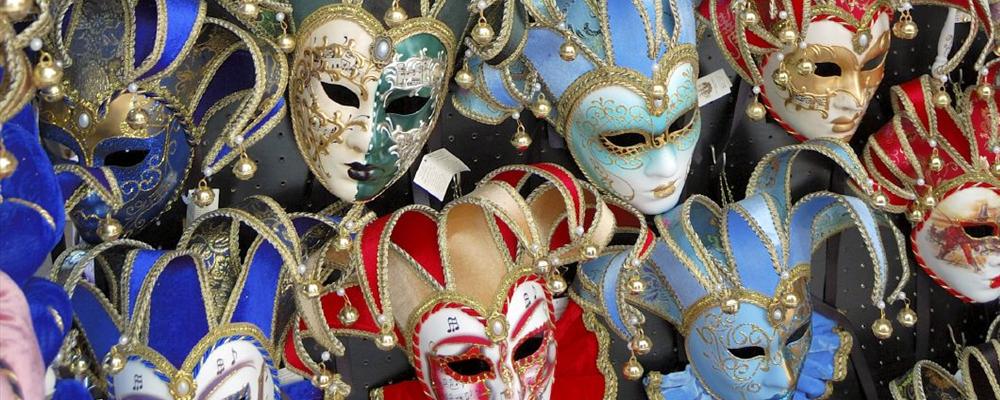








Venice , Italy (Venezia in Italian) is still one of the most interesting and lovely places in the world. Venice has decayed since its heyday and is heavily touristed (there are slightly more tourists than residents), but the romantic charm remains.
Understand
History
The Most Serene Republic of Venice dates back to 827, when a Byzantine Duke moved its seat to what is now known as the Rialto, and for the following 970 years, prospered on trade and under the rule of a Roman-style Senate headed by the Doge. Alas in 1797, the city was conquered by Napoleon, a blow from which the city never recovered. The city was soon merged into Austria-Hungary, then ping-ponged back and forth between Austria and a nascent Italy, but Venice is still a monument to the glory days of the Renaissance, and historical culture still throbs powerfully in the old Italians' veins.
Climate
The summer may be the worst time to visit: it's sometimes very hot and often humid, the canals usually smell (in the most literal sense), there are occasional infestations of flies, and there are more tourists than usual. Spring and fall are probably best, a compromise between temperature (expect 5-15°C in March) and the tourist load. Between November and January, you may manage to feel you have Venice all to yourself, an interesting and quiet experience. That said, if you've never been to Venice, it's better to go in summer than not to go. You won't regret it. Many cities are far worse in summer, and Venice has no cars, hence no smog.
Acqua alta (high water) has become a fact of life in Venice. The lagoon water level occasionally rises above the level of the squares and streets, flooding them. This can happen several times a year, at irregular intervals, usually in the colder months. Acqua alta usually lasts a couple of hours and coincides with the tides. You'll see raised walkways in side alleys ready to be pulled out when acqua alta hits. When the city begins to flood, sirens will sound to warn residents and businesses. If you speak fluent Italian, tune into news programs since their predictions of the times the flood begins and ends are usually on the spot.
You can get an acqua alta map at the tourist offices either at the railway station or St Marks. This will show you the higher, dry routes and the ones with walkways setup during the various flood alerts. There is a tide measuring station at the Rialto vaporetto piers, and a noticeboard at the base of the Campanile in the Piazza San Marco that shows a live tide reading and predictions for the next few days.
History
The Most Serene Republic of Venice dates back to 827, when a Byzantine Duke moved its seat to what is now known as the Rialto, and for the following 970 years, prospered on trade and under the rule of a Roman-style Senate headed by the Doge. Alas in 1797, the city was conquered by Napoleon, a blow from which the city never recovered. The city was soon merged into Austria-Hungary, then ping-ponged back and forth between Austria and a nascent Italy, but Venice is still a monument to the glory days of the Renaissance, and historical culture still throbs powerfully in the old Italians' veins.
Climate
The summer may be the worst time to visit: it's sometimes very hot and often humid, the canals usually smell (in the most literal sense), there are occasional infestations of flies, and there are more tourists than usual. Spring and fall are probably best, a compromise between temperature (expect 5-15°C in March) and the tourist load. Between November and January, you may manage to feel you have Venice all to yourself, an interesting and quiet experience. That said, if you've never been to Venice, it's better to go in summer than not to go. You won't regret it. Many cities are far worse in summer, and Venice has no cars, hence no smog.
Acqua alta (high water) has become a fact of life in Venice. The lagoon water level occasionally rises above the level of the squares and streets, flooding them. This can happen several times a year, at irregular intervals, usually in the colder months. Acqua alta usually lasts a couple of hours and coincides with the tides. You'll see raised walkways in side alleys ready to be pulled out when acqua alta hits. When the city begins to flood, sirens will sound to warn residents and businesses. If you speak fluent Italian, tune into news programs since their predictions of the times the flood begins and ends are usually on the spot.
You can get an acqua alta map at the tourist offices either at the railway station or St Marks. This will show you the higher, dry routes and the ones with walkways setup during the various flood alerts. There is a tide measuring station at the Rialto vaporetto piers, and a noticeboard at the base of the Campanile in the Piazza San Marco that shows a live tide reading and predictions for the next few days.
Getting there
Because Venice is on a lagoon, the water plays a crucial role in transportation. The most popular way to approach Venice is by boat or train.
By plane
The closest commercial airport is Marco Polo Airport (ICAO : LIPZ, IATA : VCE), on the mainland near Mestre (a more typical Italian city, without Venice's unique structure). The Treviso Airport (ICAO : LIPH, IATA : TSF), located 25 km (16 mi) from Venice, is relatively smaller but becoming increasingly busy as the main destination for Ryanair, Wizzair, and Transavia budget flights. From Treviso Airport, ATVO offers a €10 round-trip ticket price from-to Venice.
Both airports have bus connections with Venice (Piazzale Roma), Mestre, Padua and other towns. ATVO 'pullman'coaches (€10 return) run to and from Treviso to co-incide with flights. Marco Polo airport runs a shuttle bus --€3-- (or just turn left and walk 10 minutes under the awning) to the Alilaguna water-bus jetty, where €13 gets you a leisurely 75 minute boat trip to San Marco via Murano, Lido and the Arsenale. Or take the cheaper boat (€6,50) to Murano which takes only half an hour. Alternatively, you can travel in style (and much faster) by hiring one of the speedy water-taxis (30 mins) for about €100. All these tickets are now buyable online on Venicelink.com
The San Nicolo Airport (ICAO : LIPV, IATA : ATC) is an airfield directly on the Lido. It handles only small aircraft, as the runway (grass) is about 1 km long, and does not have any scheduled flights, but might be of interest to private pilots (arrivals from Schengen states only) due to its convenience to the city (it is a short walk to the vaporetto landing).
By train
Trains from the mainland run through Mestre to the Venezia - Santa Lucia train station on the west side of Venice (make sure you don't get confused with Venezia Mestre which is the last stop on the mainland!). From the station district, water buses (vaporetti) or water taxis can take you to hotels or other locations on the islands (or you can walk). Direct trains to Venice are available from many international destinations, including Paris (sleeping cars), Munich, Budapest, Zagreb & Ljubljana. From Vienna (Wien) Trains can be arranged via the Austrian ÖBB train system .
By car
Cars arrive on the far western edge of Venice, but remain parked at the entrance to the city (Piazzale Roma or Tronchetto - Europe's largest car park.) There are no roads past this point -- and never were, even before cars. Car parking is expensive here and the tailbacks can be quite large. An alternative is to use the car parks on the mainland (terra firma) and catch a vaporetto, train or bus into Venice. Park near the Mestre railway station, and catch a train to Venezia St.Lucia; there are many trains, it is very near (8-10 minutes) and quite cheap. (Don't bother searching for free parking near the train station - there are no free parking spots near.) Besides, Venezia St. Lucia is a good starting point to visit Venice. However drivers going to the Lido can use the car ferry from Tronchetto (vaporetto 17 - frequencies vary), right hand lane off the Ponte della Libertà into the city.
By rental car
Most of the major rental car companies have outlets at Piazzale Roma, at the edge of the city. These are on the ground floor of one of the major parking stations. When you are dropping off your car, you need to find street parking and then walk to the rental car outlet and hand in the keys. Do not park in the parking station! There is a vaporetto stop across the road from the parking station.
By bus
There is a direct bus between Marco Polo airport and the Piazzale Roma, on the west bank of Venice. Starts twice an hour, takes 20 minutes and costs €3. The Piazzale Roma bus station is well served by vaporetti and water-taxis ... and of course, you can walk everywhere. From Mestre, you can take a bus to Venezia- Piazzale Roma. the ticket is €1 but if you buy it in the bus it will cost €1.50. You can buy bus tickets from tobacconists and newsagencies. All of the city is connected to Venice by bus.
By boat
Ships arrive at the Stazione Marittima which is at the west end of the main islands, it is served by vaporetti and water taxis. An up-to-date site with all ferry schedules from Venice to Greece is online at Greek Ferries Center , AllGreekFerries.com , Ferries.gr , greekferries.gr and Greece-Ferries.com .
Traveling around
Venice is the world's only pedestrian city, is easily walkable, and the absence of cars makes it a particularly pleasant experience. Walking and standing all day can be exhausting too so acclimatise yourself. The Rialtine islands - the 'main' part of Venice - are small enough to walk from one end to the other in about an hour.
If you want to get around a bit more quickly, there are numerous vaporetti (water buses) and water taxis. The vaporetti are generally the best way to get around, even if the service route map changes frequently. If you are going to be in Venice for a few days visiting, it is a lot cheaper to get the vaporetti than to get private water taxis. If you want to have a romantic ride along the canals, take a gondola ride.
ACTV runs the vaporetti and other public transport services both in the lagoon and on the terra firma. Travel cards are extremely useful since the basic fare for one vaporetto journey is typically €6.50 whereas a 1 day travel card costs €18, and a 3 day costs €33 and there are other versions (including discounts for youth under the age of 29). Prices are correct as per January 2009 - current rates can be found here: .
Since February 2009 the Venice Connected website of the Comune di Venezia makes possible to book online (at least 7 days in advance) most services controlled by the town administration (public transportations, access to the civic museums, access to the public restrooms, car parking tickets, entrance to the Casinò and access to the municipal WiFi network which will cover all of the historic centre before the end of 2009); the online prices vary according to the projected number of visitors but are always cheaper than the current on-site prices (and cheaper than with a Venice Card).
One can also get a Venice Card, which has various options that you can choose when you buy it (public transportation, cultural entrance, toilette access, Alilaguna and so forth). There is a 'Junior' version of the Venice that is available at a slightly reduced rate for those between 5 and 29 years of age. Note, however, that a Venice Card is not recommended for those with less than 3 days in Venice, as most of the top attractions are not included in the Venice Card. If you'll be staying in Venice for a week - get the Venice Card and enjoy travelling from island to island and exploring the various museums and churches it offers access to.
Maps are available at the vaporetto stops in the ticket booths. The map is quite reliable, and is free when getting a Venice Card (€2 otherwise).
Venice Cards can be reserved on-line for a considerable discount here: . Keep in mind, though, that there are long lines when taking the Venice Card from the ticket booths. The Venezia St. Lucia ticket booth that offers Venice Cards is the one most on the right when you exit the train station.
Otherwise, take a walk! The city is not that big, and you can walk from one end to the other in a few hours. But it would take months for a fit person to discover every path in the city. Along the way you will discover marvelous art, superb architecture and breathtaking urban landscaping. Exploring the city randomly by walking is well worth it but also be prepared to get lost easily! Signs all over the city indicate the direction to the main attractions, "Rialto" and "San Marco", as well as the way back to the train station ("ferrovia") and the bus terminal ("Piazzale Roma"). These signs make it easy to have the "get lost experience" even as a one-day tourist.
See
Churches
Although San Marco is free, other famous churches charge an entry fee. If you plan to visit three churches or more, you are better off buying the churches pass. There is also a combined pass for museums, churches and transportation only available at the tourist information office but it is relatively expensive.
Saint Mark's Basilica (Basilica di San Marco) , +39 041 5225205 (procuratorial phone number), 1st October to 31st March: 9:45AM-4:45PM; 1st April to 30 September: 9:45AM-5PM, Piazza San Marco, Water lines # 1, 52, and 82 will take you from Santa Lucia (the train station) or Piazzale Roma to Piazza San Lucia. Walking is another option but will require a map and lots of time and energy., Saint Mark's Basilica is on the *Piazza San Marco* and is one of the highlights of a visit to Venice. As with most churches in Italy, you must be dressed appropriately to be allowed in; this means no short skirts or bare shoulders. You are not allowed to carry large bags or rucksacks inside. You must deposit them just round the corner from the main entrance. Filming and photography is forbidden so be prepared in advance. The visit within the basilica lasts ten minutes. Waiting for entry into the basilica can last up to five or so hours and it may be wise to use alata.it to reserve your visit. Reserving is free of charge. Once you have a reservation you can take the group entrance on the left, where you give in the printout of your reservation.
San Giovanni e Paolo (San Zanipolo in Venetian dialect). A fine, huge Dominican church with the tombs of many Doges. It shares its piazza with the fine Renaissance facade of the Scuola San Marco and an equestrian statue of the mercenary (condottiere) captain Colleone. Look out for the testicles (coglioni in Italian - it's a lousy pun) on his coat of arms!
Santa Maria Gloriosa dei Frari. The big friary church, with fine monuments and paintings.
Santa Maria dei Miracoli. A perfect jewel box church, simple in form but ornamented with fine exterior marble facings.
Museums
There is a museum pass available for some of Venice's best known museums. It does not include all of them. It is already worthwhile buying it if you intend to visit the two big museums at Saint Marc Square: The Doge's Palace and Correr Museum. A more expensive pass also including some famous churches and transportation is available at the tourist information.
Correr Museum , San Marco 52, on San Marco Square, Interesting collection of globes, starting from the 16th century. There is also an only library hall, an archeological museum of Roman antiques and an important picture gallery. At the end of your visit, don't miss the museum art cafe, with their tables on the San Marco square.
Doge's Palace (Palazzo Ducale) , San Marco square, Don't miss the guided tour named **Secret Itinerary** (€16), which will let you discover the part of the palace where the city's administration worked, as well as Casanova's jail and the wonderful five hundred year old roof structure.
La Fenice Theater (Teatro La Fenice) , 300 m west of San Marco square, Visit this historic theater with an audioguide (good explanations in several languages). The theater is an identical reconstruction (rebuilt in 2003) of the previous theater building that burned down in 1996.
Jewish Ghetto of Venice , While racial and ethnic neighborhoods had existed prior to the Venetian Ghetto, Venice's ghetto was the first
The Jewish Museum (Museo Ebraico) , +39 041 715 359, +39 041 715 359, Hours:1 June - 30 September: 10AM-7PM 1 October- 31 : 10AM-6PM The Museum is closed on Saturday (Shabbat), during Jewish festivities, on December 25th , on 1st January and on 1 May, Cannaregio 2902/b
Mocenigo Palace (Palazzo Mocenigo) , Closed on Mondays, vaporetto San Stae, A collection of clothes dating from the 18th century.
The Peggy Guggenheim Museum , +39.041.2405.411, +39.041.2405.411, Hours: W-M: 10AM-6PM. Closed on Tuesdays and on 25 December. Open on national holidays (including Tuesdays), Palazzo Venier dei Leoni, Located on the Dorsoduro region of Venice, to the east of the Accademia bridge, on the southern side of the Grand Canal, The Peggy Guggenheim Museum offers a personal collection of modern art collected by Peggy Guggenheim. Peggy was an American married to modern artist Max Ernst, and funded a number of his contemporaries. The gallery includes a sculpture garden and works by Picasso, Kandinsky, Tanguy, Duchamp, Pollock, Dali, and Mondrian.
Ca' Pesaro— Beautiful palace housing the gallery of modern art focusing on Italian art in the 19th Century as well as the Marco Pollo Museum, a rich collection mainly of Asian exhibits.
Ca' Rezzonico— Museum of the 18th Century in Venice - attempts to revive the domestic atmosphere of Venetian nobilities.
Bell tower of St. Mark's (Campanile di San Marco)— The current tower dates from 1912; an exact replica of the previous tower which collapsed in 1902. The top of the tower offers great views of Venice and the lagoon.
Clock tower (Torre dell'Orologio)— Having been closed for restoration for many years, the restored astronomical clock is now visible. The fascinating tour of the clock mechanism (and rooftop bell) can only be visited on a guided tour.
Scuola grande di San Rocco— A masterpiece of Tintoretto, this guild house is an exquisite example of Manierist art in its best. In order to allow a comfortable admiration of the detailed ceiling mirrors are offered to the visitors.
Galleria dell'Accademia di Venezia— Venice's most significant art museum which is also one of Italy's best. A must see! Regular tickets: €6,50, Reduced-price tickets: €3,25, Advanced reservation fee: €1,00.
Other Classical art museums are:
Glass Museum (Museo del Vetro)— On Murano, the island so typical of its glasswork. Closed on Wednesday, 25 December, 1 January. Working hours: 10 - 16 (winter), 10 - 17 (summer). Full price: €6, reduced price: €4.
Goldoni's House (Casa Goldoni)— House of Venice' famous playwright.
Lace Museum (Museo del Merletto).
Other museums include:
Museo Fortuny.
Museum of Greek Icons.
Natural History Museum.
Naval History Museum (Museo Storico Navale).
Palazzo Grassi.
Scala Contarini del Bovaro.
Exhibitions
Outdoor sights, piazzas, bridges, canals
Don't miss the Rialto market and the Rialto Bridge (Italian: Ponte di Rialto) on San Polo, the smallest sestiere. The Rialto market is for shoppers. To the east is a neighborhood of small shops and restaurants; the the west is the Rialto farmers' market. Shopping is slightly less expensive than in the tourist-filled Piazza San Marco. The bridge has become one of Venice's most recognizable icons and has a history that spans over 800 years. Today's Rialto Bridge was completed in 1591 and was used to replace a wooden bridge that collapsed in 1524.
Zattere. It's a long and sunny walk along the Giudecca canal, protected during winter time from cold northerly winds for being exposed to south and shielded by buildings. You might find interesting to see how a gondola is made, stopping by the Squero (Venetian for small ship yard) across the canal near San Trovaso Church. It's one of the few still in business in town. With some luck, you'll see some gondole through various manufacturing steps (note that gondole are not straight to counter-balance the gondoliere push).
Things to do
Events
Voga Longa, the yearly equivalent of a marathon run on water will be held on 31st May 2009 for the next time. Voga Longa competitors must row 32 kilometers under 3.5 hours to receive a certificate of attendance at the finish line, but everybody with a human-powered vessel is welcome to participate (some foreigner teams take up to 10 hours to complete the journey just for the fun of it).
The official purpose of the Voga Longa was to protest the sharply increasing use of powerboats in Venice, but the event has gradually grown into a festival since 1974, with up to 5500 racers in 1500 vessels attending by the early 2000s. The racetrack visits different parts of Venice as well as some of the nearby islands. Locals and tourists lining up alongside rios and canals cheer the racers.
Visitors wishing to participate should have serious experience in rowing or sculling and practice duely, as the journey is physically demanding (even seasoned oarsmen develop calluses by the finish line). The event is mainly for teams, completing Voga Longa on a single oar is considered a major achievement. Extreme participation (scuba frogmen and surface swimmers) sometimes occurs, but it is not recommended due to water contamination issues.
Regata 'Storica (Historic fleet event) is held on the first Sunday of every September. Celebrating a historic event from 1489, the regatta displays almost a hundred varieties of venetian boats from the city's rich past. Large oarships, replicating ancient roman and medieval vessels, are rowed along the Canal Grande, followed by many smaller boats. There are several races, including a master championship for solo sculling in streamlined gondolini, painted in unusual white, pink, etc. colours. There are many excellent photo opportunities for this event.
Activities
Ride a Vaporetto (Water Bus) down the Grand Canal right before sunset. The Vaporettos are inexpensive, but the sights are priceless: amazing architecture, soft seaside sunlight, and a fascinating parade of Venetian watercraft.
Take a Gondola if you can afford it: it's expensive, but the Gondoliere may decrease the price if you ask (but they can also decrease the time...). Make sure you reach an agreement on price and time before you start! A good tip with the Gondolieres is to bargain the price down as low as you can, then say that it's still too much and walk away. Two or three of them will chase after you, one after the other, each offering a lower price than the last. It's possible to knock €20-€30 off the price(even then, be prepared to shell out €80).
Some guidebooks discourage tourists from asking for gondola price reductions. The oarsmen have an informal habit of cutting the most interesting and little-known parts from the journey path for "discount" customers. Reduced rate riders get much less marvel in exchange for a moderate price drop, which may not be worth it.
Gondolier-for-hire business licenses are officially limited to just 430 to 455 rowers in Venice, making the market artificially scarce and inflating prices. Gondola rides are always costly, often in a princely way and that expense should be planned in advance of the visit. If you go as a group it might be cheaper, though the number of people who can be accommodated on a gondola varies, usually up to a maximum of six seated passangers. The "traghetti" holds more, mostly standing, as a pair of gondoliers rows short distances for canal crossing purposes at a number of points along the Grand Canal.
Venetians and especially the gondoliers among them have highly conservative ideas about society: by 900 years of tradition, all gondoliers must be male and most are born locals. There are only a few Germans in the business and a single lady, Alexandra Hai, who couldn't manage a for-hire license even after 10 years. She is officially banished to carry guests of her contract hotel only.
If a gondola seems a little pricey, the alternative is to cross the Grand Canal by traghetto. These only cost €0.50 to use and are largely gondolas that have seen better days, They are stripped down and used as municipal ferries. In the 1950's there were as many as thirty, but now there are seven points to find them. However some only operate when people are going to and from work. The length of any crossing is just a few minutes. Many visitors enjoy visiting the open air markets near the Rialto Bridge and there is a traghetto station there, at the Pescheria (fish market) joining the Santa Sophia church along the Strada Nova. You will notice that traghetti passengers tend to stand up, but if you are not comfortable doing so, sitting is possible, if you are careful.
If you are looking for something to do, you can always shop. Venice is packed full of little stores in every corner and crevice. The commonest local specialties are Carnival masks, glass, and marbled paper. Price can vary wildly, so it's a good idea to hold off buying until you have a fair idea about the relative value of things. As is the case with most tourist cities, a LOT of the "original " and "made in Venice" items are actually made in China. Murano is an island famous for its glass making. Almost in every shop you will find "original Murano glass" items. If it was really made in Murano, it would be prohibitively expensive, with prices routinely running into thousands of euros. So if you are looking for cheap souvenirs, real Murano glass is not the thing to buy! You can also see glass making demonstrations in Murano, but be sure to check that there is a demonstration scheduled for that day. And it is normally not done in winter either. Spend a day on the islands, mainly Murano, Burano and Torcello. There are boat services to all these islands at scheduled times, including between the islands themselves. Be prepared for long lines and long waits for the boats between islands. The Glass Museum in Murano and the Lace Museum in Burano are certainly worth a visit. In Burano you will find some of the most picturesque streets and houses, with each house sporting a different pastel shade. Its really beautiful. Though there is not much to see in Torcello except for the old church, the peace and tranquility of the island is not to be found anywhere else in Venice! Just walking around on these islands is a nice experience. If you've had enough of the hype and the other tourists, hop off the vaporetto at 'Cimitero', Venice's graveyard for a peaceful walk. There is also a free toilet there.
While going through Venice, make sure you take in the beauty of it all. Walk through the alley ways, and take the water taxi to different parts of the island, sometimes at night you can just go sit in a main area and watch people and tourists. It is wonderful. There are many museums and churches that are around the city that allow tourists to go in a visit. They are many great sights to keep you busy throughout your visit.
The “Secret Itineraries in Doge's Palace” worth a visit, take the visitor into the most secret and fascinating rooms in the Palace. It’s better to book in advance.
Because Venice is now pretty much only inhabited by tourists and people serving the trade, it gets very quiet by 9.00 and there is very little to do in the evening (outside of eating). There are a few exceptions, like some classical music concerts. If you want an entertaining evening whilst learning about the history of Venice then try: Carnival - The Show: Celebrating the Story of Venice'. It's in a rather splendid venue just next to St. Mark's Square - in the center. It uses very striking projections of video and painting and photos to completely change the auditorium. One moment you could be inside the famous Basilica, and the next, floating down the misty lagoons 1,400 years ago. There are live actors as well so it is fresh and feels like a proper show - and apart from being informative it can also be good fun. It plays pretty much every evening - and you can also buy a ticket for the meal with the show. You can find out more and book tickets on their website: .
If you would like to have a guide to show up the highlights of Venice, you can choose between many offers. There are walking or boat tours, focused on shopping or history or for art lovers, and many itineraries. One tours site is Aguideinvenice.com and another is Artviva.com . Context Venice is a network of scholars who organize in-depth walks of the city's architecture, art, and history, including such unusual tours as an Ecology of Venice, a two-part seminar on Venetian Renaissance, Jewish Venice, and orientation walks of the Castello and Canareggio neighborhoods.
If you are the kind of person that prefer to find your way through the city on your own instead of being guided consider the Venice edition of The Ruyi, a series of guidebooks called whaiwhai that turn visits to Venice into intriguing treasure hunts.
If you are interested in exploring all things related with Italian food you have to visit the freshly open "i Tre Mercanti" (campo della guerra 2 mins from S.Marco square) an amazing food gallery where you can find typical Italian specialties, a wide range o f the best wines and the usual classics like Olive Oil, balsamic vinegar, parmesan, Limoncello along with hundreds of regional specialities (including 97 pasta sauces!). Classy and friendly the staff speak many languages and is open every day. If you don't feel like shopping you can always browse the shop and ask cooking tips and the history of products to the helpful manager.
Send a Postcard or even better, an entire mail dedicated to an important one (the old "snail mail" one, not the electronic variety)! Venice has a long, celebrated tradition in postal services, paper and written communication in general (including one of the earliest medival book printing houses).
Venice it's also Riviera del Brenta old canals. You can go with local rental bike services shop in Mira to see antique villa Pisani at Stra, old watermill and big open air market at Dolo and fresh milk at farm on Mira.
Eat
Venice has some wonderful restaurants, featuring the cuisine of the Veneto. However it is widely regarded that the restaurants in Venice serve food of a quality and in quantities much lower than anywhere else in Italy. Specialties include polenta, made of corn meal; risotto with cuttlefish ink sauce. Diners should however be aware that for every genuinely wonderful restaurant or trattoria, there's another serving rubbish food at inflated prices, especially in the most touristed streets around San Marco. Rule of thumb: if there's a waiter outside pimping for business, it's probably best avoided.
Near the Rialto bridge there's a row of restaurants with tables by the canal, where you can have the quintessential Venice experience of dining by the canal lights. Although they do have waiters outside bugging you, some have pretty acceptable quality for price.
One of Venice's trademark foods is cuttlefish and its ink. This intense black ink serves as a sauce and ingredient for polenta (corn meal), risotto (rice), and pasta. These dishes are normally indicated by the Italian words "nella seppia" (in cuttlefish), "alla seppia" (in the style of cuttlefish), or "nero di seppia," (black of the cuttlefish). For example Polenta Nella Seppia is fried corn meal with the black ink of a cuttle fish. Despite the intensity in color, the ink has a surprisingly mild taste.
Be careful when the prices are in a weight basis (typically by the "etto", abbreviated "/hg". or 100 g). One dish can easily contain 400g of fish, meat (almost a pound),... 4 times the indicated base price!
Restaurants might offer low prices for food on their menus that they advertise outside the entrance, but they will sometimes compensate this by charging high prices for drinks (which is naturally not advertised). €5 for 33 cl of beer is not uncommon.
For fresh fruit (including chilled coconut!) watch out for the street market stalls.
To save money at lunch, eat standing up. Prices can arrive to as much as double as soon as you sit at a table. Minestrone soup is delicious but the server will often offer you a seat as soon as you choose this option. Sitting is worthwhile if you plan on staying a while. Some places will also serve free bread and water for seated patrons, but there is usually also a small charge (€1-3 per person) for "pane e coperto" (cover and bread).
If self-catering, the Rialto food markets are an absolute must for fruit, vegetables and cheese, but most of all for the huge range of seafood, much of it fresh out of the lagoon and still moving! Everything else you will find in the numerous super markets in the city.
Head to the Dorsoduro area of Venice if you want to save a few euros. It has the highest concentration of places where locals, especially students, go to eat. Generally staying away from the main squares will be the cheapest option. If you're willing and able to walk around the town, some back streets offer the best food for the lowest price. Seeing the city from this vantage point is a lot of fun too!
Budget
"Pizzeria ae Oche" is a local establishment with several locations in the city. The food is plentiful and the prices reasonable. On Calle del Tintor south of Campo San Giacomo dell'Orio, In Santa Croce. Look to spend between €5-10 for a pizza depending on how exotic your selection is.
"Pizza al volo" sells superb pizza by the (extremely large) slice in Campo Santa Margherita for approximately €1.80 a slice, €5 a whole pizza. It is by the fresh fish stall under a green awning.
"Cip ciap", on Calle del Mondo Novo, by Campo Santa Maria Formosa, also sells delicious takeaway pizza by the slice (or slab) at similar prices. They also serve very tasty mini pizzas per kilogram.
The "Brek" is a cafeteria style restaurant that offers a menu including main meal+drink+dessert for only €5. There is one close to the train station and another at the Marco Polo airport.
Venetian snacks (cichetti) can be brilliantly inventive, in small "tapas-style" serving sizes. Look for places (especially wine bars) popular with non-tourists, the prices are very reasonable.
There are still many small bakery shops and "biavaroli" where you can buy bread, cheese etc., particularly near the Rialto market area. If you want to buy water (Venice has excellent free tap water easily accessible at the numerous fountains located outside throughout the city) it is usually cheapest to get it at the supermarkets: there are Billa or Co-op stores located throughout the city, though supermarkets are often "disguised" in nondescript buildings in Venice for space limitations.
Mid-range
Please give prices
La Bitta, Dorsoduro 2753A, calle lunga, san Barnaba, tel 523 0531. This busy but friendly restaurant is in the more studenty area of Dorsoduro, and attracts a mixture of locals and tourists. They have some excellent Italian dishes, which are reflected in the prices, plus they have a great selection of wines. Meals served 6:30PM-11PM, closed in August.
Osteria alla Botte , 041 5209775, San Marco 5482, campo San Bartolomeo, A bacaro 100 m east of Rialto bridge and surprisingly quiet. Large square pictures of seafood decorate the walls, and friendly staff are swift and helpful. The dishes are mainly seafood, and there is a good wine selection provided. The prices are reasonable for Venice.
Osteria Al Cravatte, Santa Croce 36/37, 500m east from Piazzale Roma, This little restaurant is frequented by the professors of the nearby university. Warm welcome and a good eat.Try their raw artichoke salad or their fish of the day.
Do Farai, 041 2770369, Dorsoduro 3278, 100m west of Cà Foscari, Very fresh shell fish. Taste their spaghetti **al dente** with razor shells.
Gianni, Zattere 918. tel +39 041.523 7210. This is a very friendly family restaurant overlooking the Guidecca Canal. The menu starts at €8.50 pizzas and pastas. The wine selection is good with many available in a choice of 250 cL, 375 cL and 750 cL bottles. The interior is almost art deco and surprisingly light. It is used by a lot of regulars, both local and returning tourists. They are closed on Wednesdays and between Christmas and Festival.
Osteria Mocenigo, 041 5231703, Closed on Monday, Salizada San Stae, near the Mocenigo museum, Little restaurant frequented by locals. Be sure to try their antipasti. Excellent desserts too.
Timon (eno - ostaria), Fondamenta degli Ormesini, south-east of the Jewish Ghetto, Warm and local atmosphere in this little osteria where they serve great Italian vintages by the glass. If you're adventurous, try their tasty tripe. Good music inside, some table by the canal in the summer.
Al Vecio Canton, Castello 4738 . Just 8 minutes from Piazza San Marco (200 m NE), this small and atmospheric restaurant/pizzeria will absolutely enchant you. Famous for its traditional style pizza and seafood pasta, you will not only get it all at affordable prices (pizza from €6, pasta from €8, wine from €5/half litre), but you're also served by a most friendly and hearty staff. They top it off with a free home made digestivo (mostly vodka and lemon) at the end of your meal, just to make 100% sure you'll be coming back for more.
Trattoria Veneziana, 041 710749, Sestiere Santa Croce, 285, 200m SE of Piazzale Roma, Warm welcome, good cooking (try their mixed grilled fishes), frequented by locals and tourists.
Antico Dolo, San Polo 778 . A old seafood restaurant in Venice close to Rialto bridge: food comes from the adjacent Rialto Market daily. A complete dinner excluding wines could cost €35 each more or less.
Al Giardinetto, Castello 4928. . Just behind the Piazza San Marco, this restaurant has a large private courtyard welcoming guests during good season. Seafood courses and Venitian specialities are served by Severino family.
Vino Vino, (between La Fenice Opera House and via XXII Marzo), offers typical Venetian cuisine and snacks at medium prices. The largest selection of top-quality italian and imported wines (over 350) available by the glass or by bottle.Close to St. Mark's Square, it is a unique place that can exist only in Venice, where backpackers chat with baronessas, gondoliers with golfers, and where Venetians discover new vistas.Open non-stop from 11.30 a.m. to 11.30 p.m. phone: 041 2417688 www ,
Il Refolo, 041.5240016, S. Croce, 1459, Nice restaurant at a small piazza. Very good pizza (~10€) as well as a decent menu.
Splurge
Antico Martini Restaurant (since 1720) A luxury restaurant, favorite among the famous names of culture and business, the Antico Martini also attracts expert gourmets and famous personalities since the 1800s who come to enjoy unforgettable flavors. Beautiful detail and restaurant decor, romantic atmosphere. Address: Campiello della Fenice, S. Marco 2007 - 30124 Venice - ITALY Tel.(+ 39) - 0415224121 or 041 5237027 Fax (+ 39) - 041 5289857 Open all days , .
Restaurant Antiche Carampane, San Polo 1911 Venice, phone +39 041 5240165 . Situated in the heart of Venice, only steps away from the Rialto Bridge, is this renowned restaurant where distinguished Venitian cuisine is served in a familiar setting.
Restaurant La Caravella, Via XXII Marzo 2398 Venice, phone +39 041 5208901 . Historical place, very near St. Mark's Square, known since the 60's and has become a must if you like traditions. Open every day all year round, offers, together some typical dishes a large selection of wines. From May to September service is in a tradtional courtyard.
Do Leoni, Hotel Londra Palace. Amazing food, for a really quite reasonable price if you consider other prices in this city.
Do Forni, near St Marks. Very expensive and not realy very nice food.
Cake shops
Pasticceria Tonolo, 041 523 7209, Dorsoduro 3764/5, Crosera San Pantalon, 400m east of Piazzale Roma, An 120 year old patisserie. Taste their cake with crystallized fruits or their marzipan cake.
Bar Pasticceria Gilda Vio, Rio Marin 784, S. Croce, Best tiramisu, at least in S. Croce.
Ice Cream
You will find ice cream all over the city, and you will hardly survive a hot summer day without. Prices are 1 - 1.50€ for one scoop, 2.50 - 3.50€ for three scoops.
Drink
Although there are many fantastic bars in Venice, if you're planning a night time "pub crawl" you should plan a few places to visit in advance, otherwise it's very easy to waste an hour wandering aimlessly in search of a watering hole that's actually open (especially midweek).
There are two late-night drinking areas in Venice. Piazza San Marco is not one of them. Although it is very pleasant and there are many people wandering around late. But the actual late night scene is in either Campo Santa Margherita, near the University Ca' Foscari in Dorsoduro; or in Erbaria on the West side of the Rialto Bridge where the main vegetable market is held during the day.
Try a Spritz (with either Campari, Select or Aperol), a typical drink loved by all Venetians that's usually drunk while eating cicheti. You can find it in almost every bar in the city. Price is about €2, more in a touristy place.
If you try the famous Veneto Grappa be careful--it's almost pure alcohol.
The Bellini was invented in Harry's Bar in Venice. It is a mix of white peach juice and Prosecco (the ubiquitous Venetian Champagne-like sparkling wine). Fermented at a low temperature Prosecco develops amylic aromas (fruit drops), though these perhaps mix better with fruit juices than does the more austere Champagne. Classic Bellinis should never be made with Champagne. Although by normal standards expensive, a Bellini in Harry's Bar (€17 for a 1.5 oz drink is obscene) is still much cheaper than on the terraces of similar '5-star' establishments in the city.
Beer in a small pub is about €5 for a pint (birra media).
Espresso, the real italian, is about €1 at the bar, €2 at a table.
Pubs
Devils Forest Pub. A traditional English style pub with a very fun atmosphere. It is located near the Rialto Bridge and tucked into a small alley near the Disney Store.
Pub Taverna L'Olandese Volante, Campo San Lio, Castello 5856, Venezia, ph +39 041.5289349. It is located between The Rialto Bridge and Piazza San Marco. During the summertime there are tables outside when you can easily sit and rest after a day of wandering around this marvelous city. What is more, during the day pasta and other typical dishes are served at a budget price.
There are two Irish pubs in Venice. One is located along the Strada Nova in Cannaregio; the other one is the Inishark just before Campo Santa Maria Formosa.
Sleep
Hotels in Venice are expensive. Some of the smaller hotels offer better rates.
Staying in a hotel on the Lido (15-20 minutes by Vaporetto) is a cheaper alternative to staying in Venice proper. The island of Lido also has a long beach where tourists and Venetians alike go swimming during the summer months.
In the last few years, holiday or short rentals apartments have increased in number and quality, now you can rent (minimum stay is usually 3 nights) a Palazzo on the Grand Canal as a little flat near Rialto.
Some Italians at the train station may approach you to find out if you need a room. While some of these people may be con artists, not all are. Some work for family members and will be able to negotiate a price for you. They will usually ask what your budget is and will call a hotel or two to see if the owner will accept the price you suggested. Do not accept the offer if you think the situation is suspect or think you may be exploited. Always get a receipt for the transactions!
If you are presentable, and you plan to stay in Venice for at least a few weeks, drop into the apartment rental agencies. These are usually for a minimum of 6 months but they often know people who are renting out apartments for shorter durations.
Bed and Breakfast
Antica Casa Coppo , San Marco 4320/1/2 Venice, ph +39 041 5233585 fax +39 041 2770843. Antica Casa Coppo, delightful boarding rooms in the heart of historical Venice.
Bed and Breakfast Venice Ca' del Pozzo , Venice, ph +39 041.2413875 fax +39 041.2443203. Ca' del Pozzo is a brand new bed and breakfast in Venice, completely restructured in 2003 and situated in the characteristic Campo San Maurizio, a couple of steps from the famous La Fenice Theatre and just a few minutes from St. Mark's Square.
Bed and Breakfast Ca' delle Acque , Venice, ph +39.041.2411277 fax +39 041.2414112. Ca' delle Acque is a well situated Accommodation, just 2 minutes from S.Mark's square and Rialto Bridge. Rooms from 69 EUR.
Faronhof b&b , Venice, ph +39.041.428262 fax +39 041.5631829. British family run b&b near to downtown Venice. Rooms from 45 EUR.
Budget
Ai Tolentini, Calle Amai, Santa Croce 197/G, 30135. Tel: +39 041 2759140, fax: +39 041 2753266, . Near Piazzale Roma and the train station. Doubles from €65.
Ai Do Mori, St. Marco 658, 30124. Tel: +39 041 5204817, fax: +39 041 5205328, . As close as it gets to Piazza San Marco, but on the second and third floor, so it still is quiet at nights. Clean and nice rooms, tv, aircon, very friendly staff. Doubles from €55/night.
Alloggi Agli Artisti, Calle Priuli Cavalletti 99, Venice historical center, . Alloggi agli Artisti is a brand new hotel in a convenient location: only 150 meters away from the main central Venice railway station (Santa Lucia). Guests can choose between rooms with bathroom ensuite (with hairdryer), and rooms with sharing bathroom on the floor (cheaper). From €50 to €90 for a double room, depending on the season.
Alloggi La Gondola, Calle del Forno 180 (Follow the canale grande, after crossing the big station bridge turn west for 150 m (164 yd)). From €20.
Antico Fiore , San Marco 3486, tel +39.041.5227941 fax +39.041.2413879. An eighteenth-century building which has been carefully restored. Easy and quick access to the vaparetto and located near charming shops and old churches. Really great gelato nearby. Rooms from 65 EUR.
BedandBreakfastVenice Querini San Marco, Castello 3520, Venice. Tel. +39 339 5309009. . Not just a B&B, a few minutes from S. Marco. Studios from €80.
B&B La Rosa dei Venti Castello 2143, tel. +39 041 2413133, fax +39 041 7241062 . Very beautiful, spacious rooms in lovely Venetian style along with large bathrooms. Good and filling breakfasts. Well situated near San Marco Square.
B&B Venezia, via Degan 7, Venezia-Mestre (10 minutes by city-bus from center of Venice). B&B is a young Venetian organization that offers accommodation in a new structure made up of single and double bedrooms, all with private services, air conditioning, room bar, digital television with infrared-control, safe-box that can hold a portable computer. From € 40 per person/night.
Ca' del Dose, Castello, 3801 - Venice, ph +39 041 5209887 fax +39 041 2774098 . Ca' del Dose: a completely restored Venetian inn, just steps from St. Mark’s Square.
Ca' Fontanea Guest House , +39 041.716648, +39 041.716648, Canareggio, 786 - Campiello delle Beccarie, Located near the rail station, the rooms are simple but clean and they have air conditioning. For longer stays check into their apartments.
Ca' Rialto, Riva del Ferro, San Marco 5149 - Venice, ph +39.041.5209166 fax +39.041.5238958 . Located in a building overlooking the Grand Canal and Rialto Bridge. Singles from €50, doubles from €60 (extra bed €30).
Casa Tanzi Appartements, San Polo 1495, 30100, ph +39.041.2412550 fax +39 041.2412550, . Located between the Rialto Bridge and San Marco Square and a stones throw from the Vaparetto stop. Rooms are filled with Venetian Elegance with colorful silk wallpaper and matching canopy hanging over the bed. Look for their special internet pricing.
Hotel CaSa Linger, Fondamtenta St.Antonin castello 3541, . €22-40 per person/night. Close to both Rialto Bridge and San Marco Square, this budget hotel is a good deal in Venice.
Hotel Diana, Calle Specchieri 449, 30124 , Venezia ph +39.041.5206911 fax +39.041.5238763. The Hotel Diana has good prices on rooms, and is only 100 yards from the front entrance to the Basilica San Marco. Excellent location to see the city, rooms at around €70 per person per night.
Hotel Serenissima, Calle Goldoni 4486, San Marco 30124 , Venezia ph +39.041. 5200011 fax +39.041 5223292. The Hotel Serenissima was completely refurbished at the start of 2007 and is a one minute walk from the Piazza San Marco. Simple and comfortable rooms from around €80 per person per night.
Locanda Gaffaro, Dorsoduro 3589, 30123 ph +39.041.2750897 fax +39.041.2750375 . Locanda Gaffaro is in a picturesque court near Piazzale Roma. Doubles from around €100.
Locanda Sant'Anna, C.te del Bianco, Castello 269 . One star. Locanda Sant'Anna of Venice is located only 3 minutes from the Gardens of the Biennale, providing a family atmosphere complete with modern comforts. Single from €35, Double from €45. Quiet hotel with secure courtyard and wonderful rooms, some with a canal view (for a higher price) overlooking the peaceful Isola di San Pietro. Common balcony over the canal. Includes typical Italian breakfast from 8AM-9:30AM with coffee or hot chocolate and rolls, croissants, and toast. Easily accessible from the main bus/train station by vaporetto to stop 'S. Pietro' or 'Giardini'. Doors close at 1AM. Pay in cash for a discount.
Pensione Seguso Venice, D.D.779, 30123, Venezia ph +39.041. 5286858 fax +39.041. 5222340. The Pensione Seguso is a charming traditional Italian Pensione with affordable accommodation overlooking the waterfront close to San Marco. A building and hotel with a long history, the spacious and light rooms start from €60 per person per night.
Residenza Laguna Venice, S. Polo n° 1016, 30123, Venezia Ph. +39.041. 2960575 Fax +39.041. 2447441. The Residenza Laguna is a great little b&b close to Ponte Rialto bridge with spacious and stylish rooms. Nice family run accommodation starting from €70 a head per night.
Venice Hostel , +39-041-5238211, Fondamenta Zitelle 86, Isola della Giudecca, One of many hostels in Venice. This hostel is in Giudecca (which means a short boat ride to the rest of Venice). Just a bed: clean, cheap and reasonable.
Mid-range
Please give prices
Ateneo Hotel Venice, San Marco 1876, 30124, ph +39.041. 5200777 fax +39.041 5228550. The Hotel Ateneo Venice is close to Basilica San Marco and is a quality 3 star hotel. Rooms start at around €120 depending on season and the convenient location comes in handy.
Antica Casa Carettoni Venice, Lista di Spagna 130, 30121, Venezia ph +39.041. 716231 fax +39.041. 2750973. The Hotel Antica Casa Carettoni Venice lies close to Santa Lucia Train Station and the waterbus stops, making it easy to get to and easy to see the city from. This recently restructured 3 star hotel sits in an old convent and offers quality accommodation starting at aroud €120-130 for a room for two.
Antica Casa Coppo, San Marco 4320/1/2, tel +39 041 5233585, fax +39 041 2770843. Classic Venetian styled rooms starting at €100 a night. The location near the Rialto Bridge makes this hotel one of the more popular properties for budget minded travelers. Also has wifi internet.
Antico Casin Locanda Corte Contarina, San Marco 1520/a, tel +39-041.5207002 fax +39-041.795122. A refined example of contemporary design, located close to Saint Mark's Square. Doubles from €90.
Ca' Valeri Castello - Ramo dei Corazzieri 3845 tel +39 041.2411530 fax +39 041.2415392. Ca' Valeri welcomes guests into its luxury residence where an atmosphere of charm and comfort defines an ambience of class. Double from 100 EUR.
Bisanzio Hotel Riva Schiavoni, Calle della Pietà, 3651 Castello, tel +39 041.5203100 fax +39 041.5204114 . Located behind St. Mark's Square. Recently renovated, this hotel is contemporary looking. Accented with beamed wood ceilings and walls to give a touch of elegence.
Ca' Amadi, Cannaregio 5815, 30121, tel +39 041.5204682 fax +39 041.5206701 . Ca' Amadi is situated at the heart of the old town center of Venice, extremely close to the famous Rialto Bridge and 10 minutes from Piazza San Marco. This 13th century palace was once home to Marco Polo. Décor is keeping with the period, and the rooms are utterly charming. Original wall fresco’s from the 1400’s adorn the hotel.
Ca' Bauta, Castello 6457, tel +39 041 2413787, info@cabauta.com, fax +39 0415212313, . Located in the in the city’s historic centre, Ca' Bauta captures the spirit and splendor of Venice. Housed in a 15th Century building, this quaint hotel has very spacious rooms with high ceilings and is adorned with stylish furniture and fittings. To make the most of your stay in Venice, Ca' Bauta has a friendly, multilingual staff who are always eager to assist you in planning tours, booking concert tickets, and making restaurant reservations. Rates from €70 per night
Ca' Della Corte (B&B + appartments) , +39.041.715877, +39.041.715877, Dorsoduro, 3560 - Corte Surian, 300 m SE of Piazzale Roma, A comfortable B&B in a quiet area of Venice. Warm and personal welcome. Breakfast (served in the room) could be improved (by going to pasticceria Tonolo and bringing your own cakes e.g.).
Casa dei Pittori , +39 3491706428, S. Croce 1032 a, Casa dei Pittori Venice Apartments offers guests several apartments in an ancient palace totally restored, located in Venice city centre.
Continental Hotel Venice – Lista di Spagna – Cannaregio, 166 - Cap: 30100, Venice, Italy.. Telephone +39 041 71 5122 • Fax +39 041 524 2432. This three star hotel is in the Canneregio district and the Jewish Getto. A very typical area of Venice, also close to the train station. The Continental Hotel is an historic building belonged to a noble family, with 93 bedrooms (95-194 euros) capable to host any kind of guests.
Corte 1321 San Polo 1321, 30124 Venice, ph +39.041.5224923 fax+39.041.0997849. Located near the Rialto Bridge, owners Larry and Amelia do a wonderful job at making your stay perfect. Large spacious rooms with double sink bathrooms ensure a comfortable stay. Lovely courtyard for dining is made memorable with local birds strutting and cooing. Double rooms from €100. Double rooms from €100.
Domus Ciliota, Calle delle Muneghe - S. Marco . Just a 5-10 minute walk from San Marco's Square, this is a good base for exploring Venice. The hotel has over fifty clean, basic, air-conditioned rooms all with shower and WC. The reception is English speaking and is open 24 hours. There is an area for leaving baggage after you've checked out. Single rooms are €70-85 and doubles are €100-110 including breakfast.
Helvetia Hotel Venice – Gran Viale, 4 – Cap: 30126, Lido di Venezia – Italy. . Telephone +39 041 5260105 • Fax +39 041 5268903. Large option of rooms for this three star hotel offering 57 bedrooms with air conditioning and private en-suite service. The Helvetia Hotel is on the island of Lido, where every year is held the famous film festival, and is connected to the main island of Venice and San Mark square by the efficient system of water boats. The hotel is closed between October and April. The price for a double is around €150.
Hotel al Sole, Santa Croce 134/136, 30124 ph +39 041.2440328 fax +39 041.722287, Al Sole Hotel is a first class Hotel, situated in a noble palace built in the beginning of the 15th century, a short distance from Piazzale Roma. Doubles from €80.
Hotel Ala, San Marco 2494 (campo Santa Maria dei Gigli), tel +39 041 5208333, fax +39 041 5206390 . Good price for a good location. Breakfast is better than most, they have eggs and broiled tomatoes with cheese. Rooms were a typical size but clean, comfortable and quiet. They have turndown service at night, a pleasant surprise. Double rooms from €110.
Hotel Alla Salute Da Cici Salute 222, Fondamenta Ca' Balà, Venice ph +39 041.5235404 fax +39 041.5222271. A 16th-century palazzo, a stone's throw from Piazza San Marco and easily reachable from the station and Piazzale Roma. Doubles from €80.
Hotel All’Angelo Venice, San Marco 403, 30124, Venezia ph +39.041. 5209299 fax +39.041. 2743555. The Hotel All’Angelo has been run by the same family since 1924 in a 17th century building close to St Marks Basilica. Comfortable and stylishly decorated rooms with a double somewhere in the region of €150.
Hotel Antica Locanda al Gambero Calle dei Fabbri - San Marco 4687, 30124 Venice ph +39 041.5224384 fax +39 041.5200431. Single rooms from €90, Double from €110 (150€ if you want to choose a room facing the Canal).
Hotel Antico Panada San Marco 646, tel +39 041.5209088 fax +39 041.5209619 . Welcoming Venetian hotel, in the heart of the Sestiere (District) of San Marco, has rooms decorated in an 18th century Venetian style. Double Room rates range from €145 to €310.
Hotel Antico Palazzo Gottardi, Cannaregio 2283 3000 Venice tel +39 041 2759333 +39 041 2759421 . Antico Palazzo Gottardi stands in Strada Nuova, in the heart of the old city centre of Venice, between two buildings that look down onto the Canal Grande. Double from €120.
Hotel Basilea Venice, S. Croce-Rio Marin, 817, 30135, Venezia ph +39.041. 718477 fax +39.041. 720851. The Hotel Basilea sits just across the Grand Canal from Santa Lucia Train Station. Located in a quiet Calle, it offers excellent value accommodation that is in a central location. Double rooms are usually around €100-160 depending on season.
Hotel Becher,San Marco 1857, tel +39.041.5221253 fax +39.041.5212685 . This 18th century hotel enhanced by the most modern amenities, charming atmosphere and impeccable service. Single rooms from €70, doubles €110 and triples from €170.
Hotel Belle Arti, Dorsoduro 912a, 30100, ph +39 041 5226230, fax +39 041 5280043. The Hotel Belle Arti Venice sits in the heart of Dorsoduro, good central location. Room rates start from, depending on demand, €100 up to €220.
Hotel Belle Epoque, Cannaregio 127/128 - Lista Di Spagna, 30123, ph +39 041 240004, fax +39 041 2750159, . The Hotel Belle Epoque situated on the Lista di Spagna close to the Train Station offers quality rooms at good rates. Rooms start from €90 all the way up to €200.
Hotel Cà D'Oro, Calle delle Rasse, Castello 4604, 30121 Venice tel +39 041.2411212 fax +39 041.2414385 . The hotel is in a quiet corner of Cannaregio district, only 5 minutes walk from the Rialto Bridge and 10 minutes from St. Mark. Singles from €60, doubles from €80
Hotel Canaletto Venice, Castello 5487, 30122, Venezia ph +39.041. 52 20 518 fax +39.041. 52 29 023. The Hotel Canaletto Venice sits along a scenic canal close to St. Mark’s Basilica. Decorated and furnished in the traditional Venetian manner, this hotel offers excellent service and rooms that will make you feel at home at once in this stunning city. Tranquil and scenic, a room for two starts at around €110.
Hotel Capri Santa Croce 595, 30135, ph +39.041.2752300 fax +39.041.2752350. It is situated in a peaceful zone close to the arrival's terminals and main Venetian attraction's points. Doubles from around €140.
Hotel Continental, Lista di Spagna, Cannaregio 166, tel +39.041.715122 fax +39.041.5242432 .Right on the Canal Grande, the Hotel Continental is the ideal spot for an unforgettable vacation in Venice. Single rooms from €93, doubles from €155 and triples from €194 including taxes and breakfast.
Hotel Commercio e Pellegrino, Calle delle Rasse, Castello 4551/A, 30122 Venice tel +39 041.5207922 fax +39 041.5225016 . The Hotel Commercio e Pellegrino is a comfortable hotel in the centre of the city, easy to reach by public transport and just 2 minutes on foot to Saint Mark’s Square. Single rooms from €80, doubles from €100 including taxes and breakfast.
Hotel Firenze Venice, San Marco, 1490, 30124, Venezia ph +39.041. 5222858 fax +39.041. 5202668. The Hotel Firenze Venice is snuggled in a sidestreet of Piazza San Marco, and offers bright and comfortable rooms in a neighbourhood full of artisans, boutiques, artists and small galleries. A buzzing area from which to see the city, rooms start at around €120 a double/twin.
Hotel Helvetia Venice Lido, Gran Viale, 4, Lido di Venezia, 30126, ph 0039 041 5260105, fax +39 041 5268903 . The Hotel Helvetia Venice offers quality accommodation on Venice Lido close to beaches and the only golf course on the islands. Rooms start from (depending on the season): €70 up to €160.
Hotel il Mercante di Venezia, Calle della Misericordia, 30121, Venezia ph +39.041. 2759290 fax +39.041. 2759294. The Mercante di Venezia sits just off the Lista di Spagna by the Grand Canal and offers excellent access to the Station (Santa Lucia) and the waterbuses. Delicately apointed rooms from around €145.
Hotel Lisbona Venice, San Marco 2153, 30124, Venezia ph +39.041. 5286774 fax +39.041. 5207061. The Hotel Lisbona is in the picturesque area just in front of Piazza San Marco and has luxurious three star rooms decorated in the grand Venetian style at reasonable rates. Double rooms are usually around €140.
Hotel Marconi Venice, Riva del Vin, San Paolo, 729, 30125, ph +39.041. 52 22 068 fax+39.041. 52 29 700. The Hotel Marconi overlooks the Grand Canal and famous Rialto Bridge. It has been a hotel since the 1930 and has a very interesting art deco style, with rooms going for around €150, or for a little more with a canal view.
Hotel Montecarlo Venice, Calle degli Specchieri, 30124, Venezia ph +39.041. 5207144 fax +39.041. 5207789. The Hotel Montecarlo Venice offers fantastic 3 star superior rooms and services literally one hundred yards from the entrance to Basilica San Marco. An area rich with shops and restaurants, rooms start at around €130 a double.
Hotel Nazionale Venice – Lista di Spagna 158 - Cap: 30121, Venice, Italy. . Telephone +39 041 716133 • Fax +39 041 715318. The Nazionale Hotel is a convenient three star accommodation with 90 bedrooms divided in single, double, twin, triple and family, located only 100 metres away from the train station of Santa Lucia. At the Nazionale Venice the price varies according to the size of the room: €80 for a single and €160 for a family.
Hotel Palazzo Guardi Dorsoduro 995, 30123, ph +39 041 2960725 fax +39 041 7241067. A stone's throw from the Accademia, is this noble Venetian palace, rooms equipped with all comforts. Double room from €80.
Hotel San Giorgio, Rio Terà della Mandola, San Marco 3781 30124 Venice, ph +39 041.5235835 fax +39 041.5228072 . The hotel is in Venice between Campo Sant'Angelo and Campo Manin in an antique gothic palace bought by Mariano Fortuny. Single rooms from €60, doubles from €90, triples from €120.
Hotel San Moise Venice, San Marco 2058, 30124, ph +39.041. 5203755 fax +39.041. 5210670. The Hotel San Moise sits in the district of the same name just behind Piazza San Marco and the Basilica. Starting in the region of €120-140 for a double room, a good 3 star in a decent location.
Hotel Tiepolo, Castello 4510, 30122 Venice. ph +39 041 5232415 fax +39 041.5208222 . Small and elegant, Hotel Tiepolo is an exemplary design hotel in the historic heart of Venice, a few steps away from Saint Mark's Square. Doubles from around €200.
Hotel Violino D'Oro Via XXII Marzo 2091, San Marco, 30124 Venice ph +39 041.2770841 fax +39 041.2771001. Hotel Violino d’Oro is synonymous with true Venetian style. It is ideal for those looking for an experience characterized by taste and tradition in this age-old city with magical ambiance. Single rooms from €40, Double from €70.
Locanda Orseolo . Located only a 3 minutes walk from St. Peter's Square, this Venice hotel is lovingly operated by a multi-lingual Venitian family who offer impeccable concierge service. Room rates are generally €150 to €200, which is actually quite reasonable for its central location.
Residenza Cà Bauta, Castello, 6457, 30122, Venezia ph +39.041. 2413787 fax +39.041. 5212313. The Ca' Bauta is situated few steps far from Campo ss. Giovanni e Paolo, one of the most spectacular place of Venice, thanks to the Renaissance façade of Scuola Grande of S. Marco, to the important mass of the temple which keeps mortal remains of doges and patricians, to the equestrian monument dedicated to Colleoni, and few minutes far from Piazza S. Marco. Double rooms are usually around €100-160 depending on season.
Residenza Cá Malipiero Venice – Castello 4852 - Cap: 30122, Venice, Italy. . Telephone +39 041 2770939 • Fax +39 041 5289845. An historic building of the 16th century with a large selection of extremely elegant single, double rooms and suites, capable to host up to four people and equipped with the best modern services expected by a three star guest house of Venice. The Ca Malipiero Hotel also boasts a superb position: in the Santa Maria Formosa district, behind the Ponte dei Sospiri bridge and St Mark’s Square. The rates start from 110 euros.
Splurge
Please give prices
Hotel Al Codega, Corte del Forno Vecchio - St. Marco, 4435, 30124, Venezia ph +39.041. 2413288 fax+39.041. 2414621. The Hotel Al Codega is situated in a picturesque little ‘cortile’ or courtyard, which is a short walk from Piazza San Marco. A brand new hotel, its elegant rooms offer excellent value for the luxury they offer, rooms from 200-300 Euro.
Hotel Bonvecchiati, San Marco 4488, 30124 Venice ph +39 041.5285017 fax +39 041.5285230 . The Hotel Bonvecchiati, which has been welcoming guests to the heart of Venice since 1790, is just 3 minutes from Saint Mark's Square and 5 minutes from the Rialto Bridge. Prices dependent on the kind of accommodation and on the season.
Hotel Ca' dei Conti, Castello 4429, 30122, ph +39.041.2770500, fax +39.041.2770727 . A dream vacation in a luxurious building dating back to the XVIII century, just a stroll from St. Mark's Square. Room rates start from €155 fo a double single use, €200 for a double room, €320 for a suite.
Hotel Carlton Grand Canal, Fondamenta S.Pantalon, Santa Croce 578, 30135, ph +39 041.2752200, fax +39 041.2752250. The Carlton and Grand Canal Hotel overlooks the Grand Canal and is the perfect starting point for discovering the beauty of Venice. Room rates start from (depending on the season): from €150 untill €250.
Hotel Ca' Vendramin, Cannaregio 2400, 30100, ph +39.041.2750125 fax +39.041.2750543. In the heart of Venice, this hotel showcases original frescos, fine fabric and Murano glass chandeliers which define a unique atmosphere, in pure Venetian style. Double classic from €160 and junior suite from €260.
Hotel Dei Dragomanni, Calle del Dose da Ponte, 2711, 30124, ph +39 041.2771300 fax +39 041.2778984. Enveloped in the timeless charm of an ancient Venetian palazzo, the 4-star Hotel dei Dragomanni welcomes guests to downtown Venice. Double room from €155.
Hotel Grande Italia, Rione St.Andrea, 597 (P.tta Vigo) 30015 CHIOGGIA, ph+39.041.400515 fax +39.041.400185 . Hotel Grande Italia is in an early 20th century building in the prettiest spot of Chioggia, in front of the Venice Lagoon. Doubles starting from €110.
Hotel Giorgione , +39 041.5225810, Calle Larga dei Proverbi, Cannaregio 4587, In the heart of romantic Venice, just 10 minutes from Piazza San Marco, it was transformed into a hotel at the beginning of the 19th century and has been managed by the same family ever since.
Hotel Palazzo Paruta , +39 041 2410835, +39 041 2410835, San Marco 3824
Hotel Rialto, Riva del Ferro/Ponte di Rialto, San Marco 5149 . This luxury four star hotel enjoys a spectacular position at the foot of the Rialto Bridge, in the centre of all that this legendary city has to offer. Room rates start from €160 for a double room, the hotel has 79 rooms in total, 28 of which are overlooking the Grand Canal.
Hotel Royal San Marco , +39 041.5287665, +39 041.5287665, San Marco, 848
Buy
Atelier Marega , A hand-made mask and costume shop.
Fanny (gloves & accessories), 041 5228266, 041 5228266, Calle dei Saoneri / Campo San Polo 27/23, 100m west of Cà Foscari, Hundreds of leather gloves in all colours.
Francis Model (leather articles), 041/5212889, 041/5212889, Ruga Rialto / San Polo 773/A, 100m SW of Rialto bridge, Locally made leather bags. Exceptional craftsmanship.
Venetia Studium (High end Scarves & Shawls) , 041/5236953, 041/5236953, San Marco 2425, calle Larga XXII Marzo, Fine velvets and silks of every imaginable color are woven into delicate evening bags, scarves and pillows. The Company Venetia Studium produces in the Island the worldwide famous Fortuny Lamps
If your time in Venice is limited, and if you don't know the city well (e.g. it's your first visit), then a piece of good general advice is that if you see something you really like, buy it right then and right there. Don't count on being able to find the shop again later on; for the neo-Venetian tourist, it's almost impossible.
Watch out also for the hand-made paper and the exquisite miniature buildings made by Moro. Watch out for fakes; Moro "signs" his name on the back. Also, beware of fakes and "free" trips to neighboring Murano for its famous glass. (See article for details.)
Tourist Traps: "Coloured Pasta" and "Venetian Limoncello" (not the original napolitan one) are not Italian food, no Italian would ever eat them, they are particularly made for tourists. There is one exception : In salizada San Giovanni Grisostomo N°5778, between Realto bridge and Corte del Milion ( where Marco Polo once lived)the firm Giacomo Rizzo (since 1905) has been making fresh and dried pasta continuosly for four generations using traditional hand and roller techniques followed by slow drying.Phone 0415222824.
Stay healthy
Venice has begun to install septic tanks in buildings, but much of the city has not yet been upgraded and releases untreated sewage directly into the canals. Avoid bathing yourself, touching the water, immersing feet, etc. in the canals looking for refreshment in hot season. Shoes and clothing that touch the water will be contaminated. Take care not to spread the contamination.
One other consideration is at night, to carry a small flashlight. There are many alleys, which end in the water but have little or no lighting. They have no signposts because the locals know them.
Beware where you put your feet: pet owners are not often polite and leave everything their friends by-produce on the ground (this may apply to humans too). Small, dark, back alleys are often similar to mine fields.
In case of need, you can reach the emergency medical service dialing free of charge on any phone 118 (no area code needed - conversation will be recorded) to have assistance and an ambulance sent to you.
Chemists' shops (Italian: Farmacie) are all around the town. They are open 24hrs. a day / 7 days a week on a rotational base: outside the shop there's always the list of operating ones with time-table, address and phone number. If you need a special-treatment drug you might be asked to book it in advance if it's not of so common use. Please, note that the commercial name or brand of your prescription might differ from your country of origin. Make sure before leaving your country of origin that you can have all you need even in the EU.
Safety
Venice is considered a safe city. One can walk down the darkest alley in the middle of the night and feel completely safe. You have to take the habitual travellers precautions however. Keep your valuable items (like wallet and passport) close to you because there are pickpockets, especially in more crowded parts of the city. In addition, make sure you get receipts for all of your purchases (in order to fight tax evasion). Italian law requires customers to retain receipts and you could (in theory) be stopped by the Financial Police and asked to show receipts for your purchases. In case of need, you can dial free of charge on any phone 112 (no area code needed) to contact Carabinieri or 113 (no area code needed) to contact the Police.
Districts
This place may not seem huge but it is. Venice is made of different districts. The most famous is the area comprising the 118 islands in the main districts that are called "Sestieri" and they are: Cannaregio, Castello, Dorsoduro, San Polo, Santa Croce and San Marco, where the main monuments and sights are located. Other main districts are Isola Della Giudecca and Lido di Venezia. Other important islands include Murano, Torcello, San Francesco del Deserto and Burano, but there are several. Lastly, there is Mestre, another town on the more industrial mainland (but still part of Venice municipality), which is linked to Venice by a 5 kilometer bridge. More than 220,000 people live in Mestre.
Venice Lido— The island of tranquility, a beach district just 10 minutes by boat from San Marco, and where the Venice movie festival is held.
Mestre— A town on the mainland.
Learn
Venice is home to a major (and expanding) university, Ca' Foscari. There are possibly hundreds of smaller schools in the city.
Contact
Phone
The area code is 041. As anywhere in Italy, it is compulsory to dial the area code and the number also if you call from the city itself. If you call from abroad, dial +39041 before the number. If you call abroad from Venice, dial 00 first.
Internet
Venice has several internet cafes, but they are much more expensive than the rest of Europe with prices for an hour of access around €6. Wi-fi is only available at some of them. There's a wonderful pub, Cafe Blue in Dorsoduro, which has free (password-protected) wi-fi. Buy a spritz and a panini and go to town. At the Telecom Italia Future Centre in Campo San Salvatore (San Marco) you can browse for free for one hour, once registered with your ID card.
If you buy any of the VeniceCard products (transportation and museum entrance in various combinations) of 24 or more hours' duration, it will automatically include, either at no additional charge or for an extra €3 depending on the season, the access codes for the municipal wireless network. There are currently two areas covered by the hotspots: one is the San Marco Square and the other San Giuliano Park (which is actually on the mainland, to the north of the bridge entrance).
To use an Internet cafe, buy a mobile SIM card or get a contract for an Internet connection documentation is needed by law in Italy. Internet cafes will not let you use computers without a passport or national ID card.
Calle Delle Botteghe San Marco 2970 Venezia. A very pretty art gallery type internet cafe with a book shop. It is on the expensive side with €3 for 15mins but you can just go in and play chess with a glass of wine.
Cope
The unfortunate side-effect of the quaint back-alleys which make Venice such a delight to visit is that it is remarkably easy to get lost. Even maps provided by hotels are frequently inaccurate, and the maze-like structure of the city can become very confusing indeed. The tight cluster of little islands that comprise Venice is completely surrounded by the Lagoon, so it is not possble, no matter how lost you become, to leave Venice on foot. Sooner or later you will come upon a piazza that you can locate on your map.
One tip is, as you cross bridges, note the house numbers before and after. A small change probably means you are on the same island/district and have crossed a "new" canal. A major change means you are now on another island. Most maps clump islands together into their voting districts, there are many more islands than districts.
One piece of assistance is to look for directional signs. These will be marked "Per" and then with the name of a prominent location or bridge in the city, complete with an arrow pointing in the relevant direction. Hence, to get to the Rialto bridge, the signs to follow are marked "Per Rialto". Those to St Mark's Square read "Per S Marco", and those to the train station "Per Ferrovia" (there are some others as well). Having oriented yourself to the nearest landmark, direction-finding can thus become (slightly) easier.
Remember, though, that the signs to read are the official ones. Graffiti will occasionally give other directions, frequently incorrect ones.
That said, there is a school of thought which argues that getting lost in Venice is part of the experience of the city. The number of photogenic canals, hidden restaurants and shops where glass blowing is done almost guarantees that there is no such thing as a "dull neighbourhood". Additionally, the relatively cheap public transport means that it is relatively easy to arrive at the intended destination even after one has emerged from the web of alleys in a totally unexpected place.
Get out
Around the Venetian lagoon are other smaller islands, which have since been deserted but are worth a visit. There is also the Lido, which is a long narrow island with more modern buildings, hosting a youth hostel and a hotel.
Lake Garda— An easy day trip by train, it is Italy's largest lake and stunning in scenery.
The Lido— Typical for its beaches.
Murano— Nearby island famous for its glassware.
Po Delta— Peaceful and scenic marshy area southwest of Venice with bike trails.
Burano— Nearby island with typical textiles and painted houses.
San Lazzaro— Nearby island with Armenian monastery and impressive art collection, some world class pieces.
Mestre— Town in the mainland, but still a part of Venice.
Riviera del Brenta— Palladian Villas around Brenta River, just 20 minutes from Venice by car, advised easy biking tours with local bike hire shop.
Eraclea— Typical for its pinewood and Laguna del Mort, just 55 minutes from Venice by car or by boat.
Jesolo— Jesolo is one of the most important beaches in Italy, just 45 minutes from Venice by car or by boat (ferry from Treporti to Venice).
Cortina d'Ampezzo— Lovely alpine town, site of 1956 Winter Olympic Games. Great mountain scenery, might be very expensive. A couple of hours of car ride to the north of Venice, more than three hours by train and bus.
Kids View of Venice
Venice maybe a tourist trap, but all together there is so much for kids to do in Venice. Besides just walking around from place to place there is a lot of things that people of all ages will enjoy.
Kid's Restaurant Picks
Al-Vapperettos- It is a great pizzeria on the walkway leading up to the Campo Manin. It is an amazing restaurant with great vegetarian and non-vegetarian Menu. If you like spicy food, just ask the waiter for some extra spicy sauce. Also the range of pizza selection is just out of this world. Another amazing part of the menu is the spaghetti. The food is really light and not heavy like many other restaurants in Italy. Also the portion amounts are small, but they are cheap so you can order too. Another need-to-know is that water isn't free so you will have to buy a bottle of water. But all in all, It is a great restaurant.
Gelato- One of the greatest delights of Italian food, ice-cream also called gelato. The gelato all around Italy is great, but under a personal opinion, the gelato at Venice is better then that of all of Italy. The shop and the concept does not really matter. The rich savory taste will be with you for the rest of the day.
Kid's Views of the Doge Palace
The Doge Palace is one of the few places in Venice that is really worth going to and one of the places of the world that people of all ages will enjoy. The artwork and the scenery may be boring for a lot of kids but the views and the maps is something they will enjoy. There are two places also where kids will really enjoy it.
The Armory Room- It is an amazing place where the whole armory of the Doge's palace can be found. They have every kind of weapon in their arsenal. They have swords from big hulking broadswords for cutting and slashing from the mideival ages to the fine tipped presicion lunging swords of the Reinassance. Another thing is the long rage weapons. They have the earliest bows made by the kings and queens of the middle ages and they also have the porcelain guns of the Chinese. The advantage of this is the poison in porcelain enhanced the poison of the lead in the bullet. One of the highlights of the armory room is the armor sent by King George.
The armor that was sent by King George was made out of some of the strongest metal in the world. To make sure of that it was tested by some of today’s highest quality bullets. To many’s amazement the armor withstood the impact of the bullet and it bounced off. If you look to the left side of the armor, you can see the small bullet dent in the armor.
Another part of the Doge’s Palace that is really interesting is the prisons. The prisons are a maze of twisting passageways that are easy to get lost in. However if you keep on following the signs you should be okay. It isn’t okay to take pictures in the Doge palace inside nor is it okay to take video. The only place were it is okay to take video is in the places where it says it is okay to take pictures and video.
San Marco’s Square for Kids
San Marco’s square is one of the highlights of Venice. It is a beautiful square with lots of action and life going on at every second of the day. The San Marco’s square is right next to the Grand Canal and it has its own stop on the Vapparettos. The Vaperettos are like the bus system of Venice. It also has a selection of souvenirs to buy at a great price. There are many things to in San Marco’s square.
The Bell Tower of San Marcos Square
The Bell Tower of San Marcos Square may be something that a lot of people will enjoy including kids. The entrance ticket to go to the top is only 3 euros as it is very cheap. You can take an elevator. The line for the bell tower is very long, so it is better to go around 5 o’clock in the evening. You go up in a very spacious elevator to the top of the tower. The interesting part that a lot kids may enjoy are the binocular seeing stands. There is one on each side of the tower. Each works by putting a one euro coin. Also try not to go on the hour or on the half hour as the bell tower will ring and that can be very scary and loud and it will frighten most kids.
Saint Marks Basilica
Saint Marks Basilica is a place that isn’t exactly for most kids. However if your kid is a history nut, you may find that area very interesting. You cannot take cameras or backpacks into the Basilica so they will send you on a long search to find the cloak room. However if you see the entrance for a concert hall go in there. From there you go straight towards the aisle in the middle. From there if you take a left you will immediately see the area in which you can give your bag. Inside the Basilica is free but it is just a small walk so it will get boring. But there are separate tickets you can buy inside the Basilica to go up to the dome and other things like that. So all in all I would say it is sort of a boring place.
Kids’ View of Murano
The Murano glass making tour is one of the most interesting part of Venice. Usually instead of going overboard and paying for a tour, check with your hotel if they have a free tour package for the Murano glass making tour. It is really fun and kids will enjoy seeing how glass is being made into different shapes. But the best part of the tour that kids will enjoy is the water taxi ride back into town. The water taxi literally just skips on top of the water back. The taxi drops you at San Marco’s Square and from there you have to make your way back to wherever you want to go.
Contact & location
Venice, Italy
Be the first one to add a review
The photos displayed on this page are the property of one of the following authors:
annia316, Peter PZ, McPig, Shaun Dunmall, Frank Kovalchek, Tambako the Jaguar
Some photos courtesy of: . The photos provided by Flickr are under the copyright of their owners.
This travel guide also includes text from Wikitravel articles, all available at View full credits
D. GuillaimeJ.c., Ryan Holliday, Peter Fitzgerald, Marc Heiden, Eswar Vinnakota, Stefan Ertmann, vismay, gennaro de concilio, Nukri Komin, Philip Scranage, Kevin, cz, vismay, Jesse Miers, Colin Jensen, John M., David, Fernando, Carson Roen, Nick Roux, Avasilcai Daniel, Nancy, Dimitris Valakos, Philippe Malarme, Shamil Abakarov, Jack Dann, Wandering, Carme Pla, Philipp Sch., Andreas Ehn, Daniel Rowinsky, Todd VerBeek, phil blow, Srijith, Oliver Buchino, Andrew Haggard, Andrea Kirkby, Max, Bill Johnson, Ricardo, Giacomo, Jani Patokallio, P.K.Niyogi, Aaron, Stefano Crafa, Llewelyn Pritchardf, Bernie Disantis, pa lito, Matthew, Andrew Burns, Evan Prodromou, Tom Holland, Saurabh Abhyankar, Ian Moore, Ian Kirk, Mark Jaroski, Stavro Prodromou, Brian and John G, Travelbubble, Tatatabot, Inas, Texugo, Sunstarrr, Nhwr, Thekeytoitaly, Wikibob, Mrvenice, Rodericoco, Ypsilon, MarinaK, Morph, Joel Justiss, Sara1981, The Yeti, Episteme, Xania, Amazing1672, W66LinkBot, AnyFile, Rakkar, Mnd, InterLangBot, Luvdapug, Wanblee, Fido, Hypatia, Cdaros, Vnz, PierreAbbat, Nils, Huttite, MykReeve and Fuzheado
This travel guide also includes text from Wikipedia articles, all available at View full credits