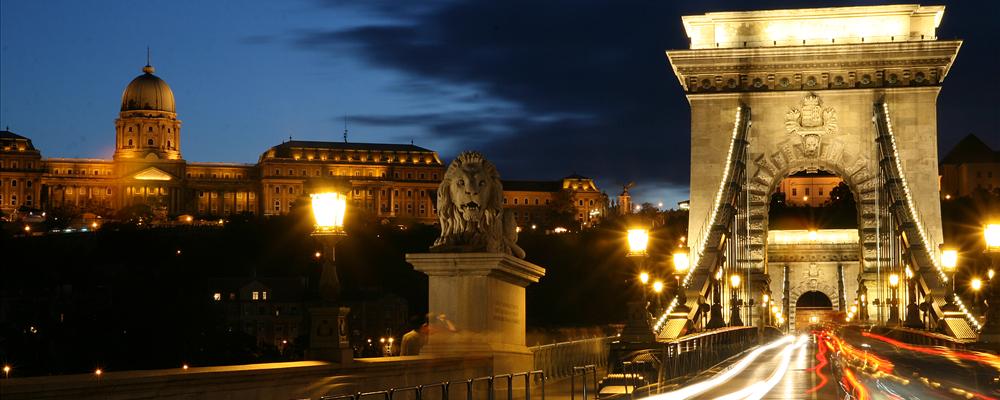
Budapest
( 3 user reviews )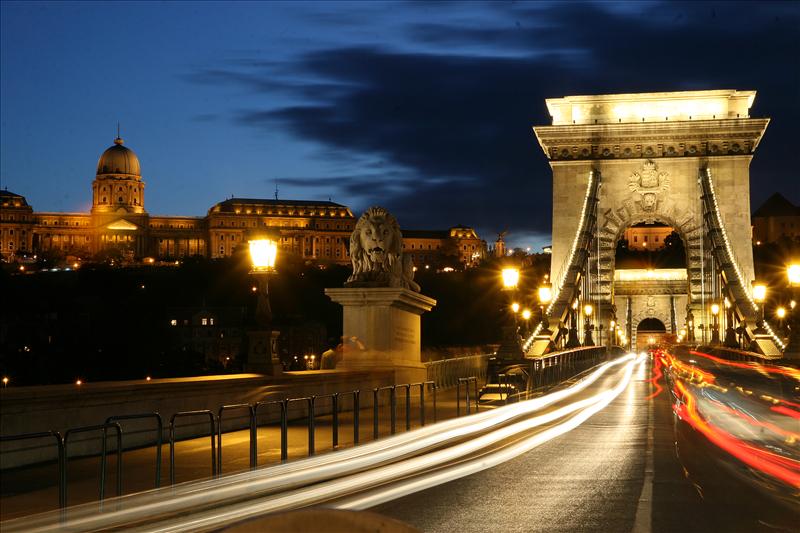
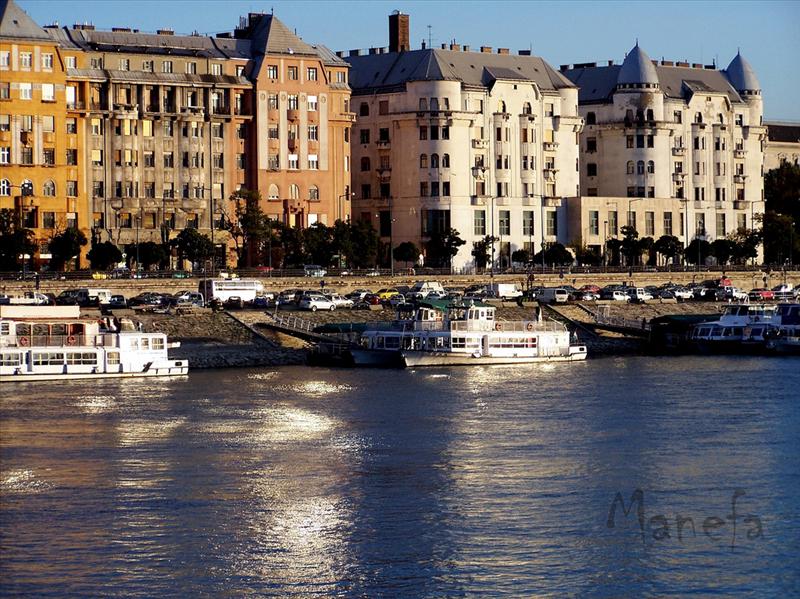
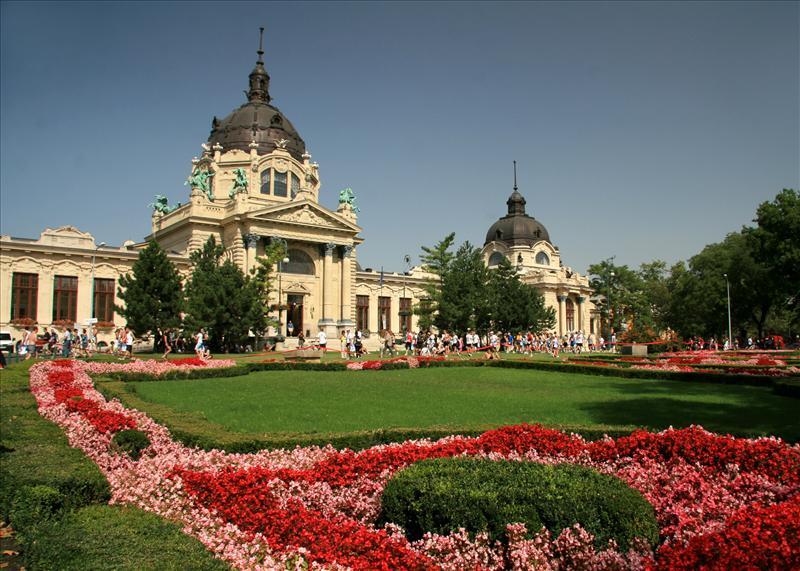
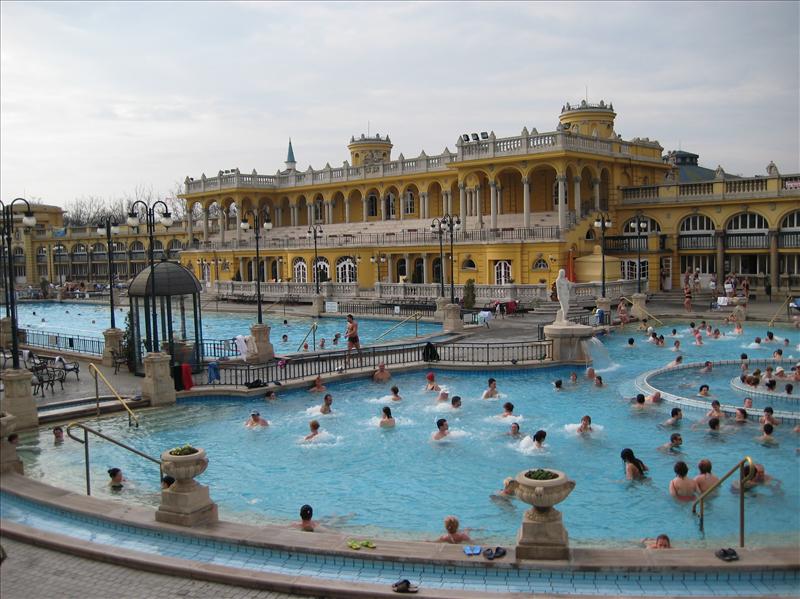
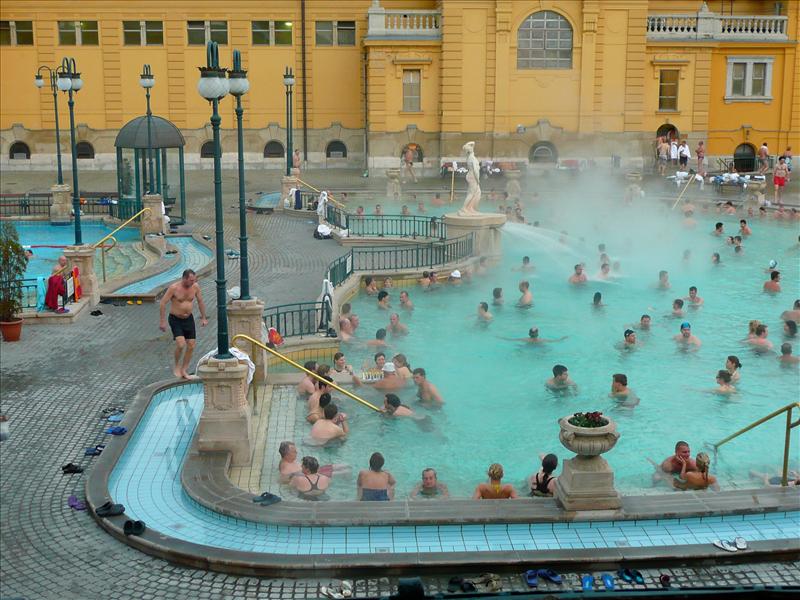
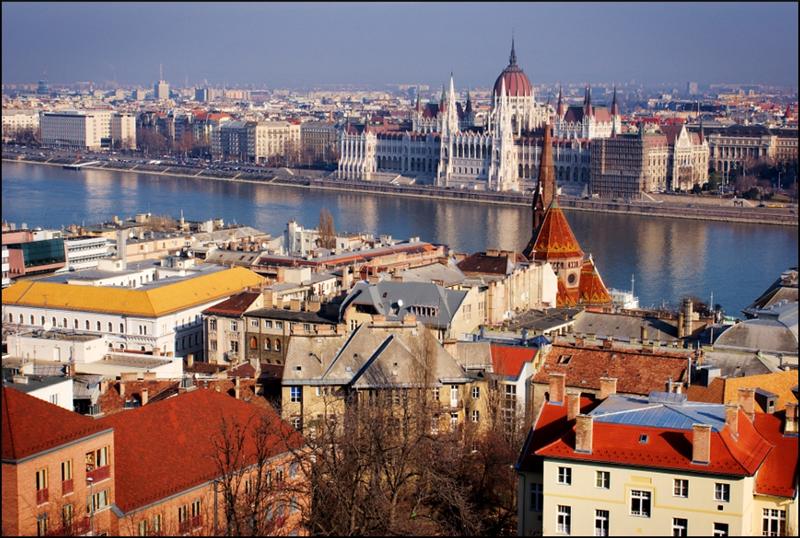
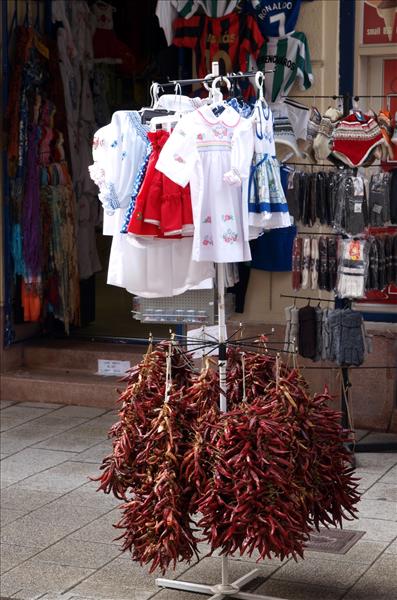
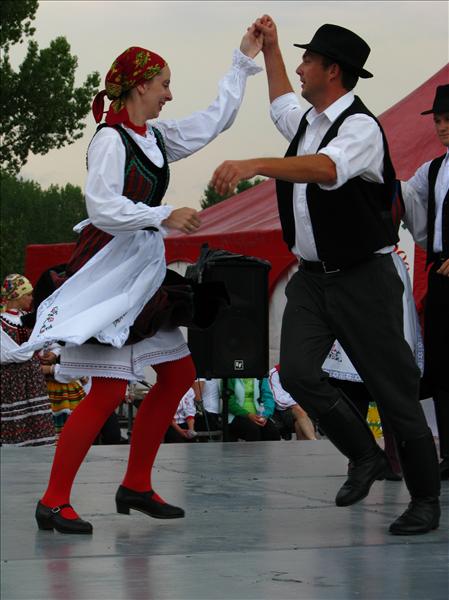
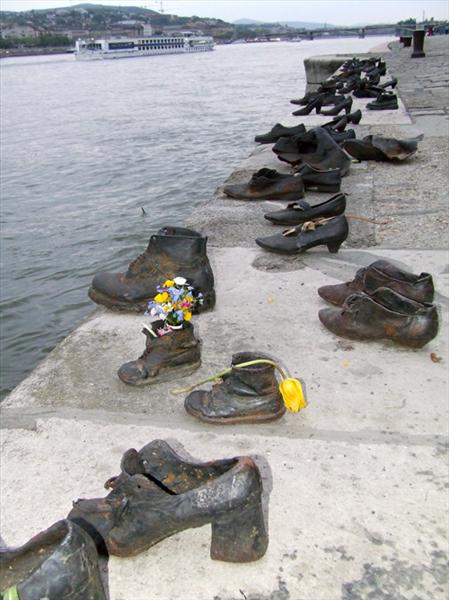
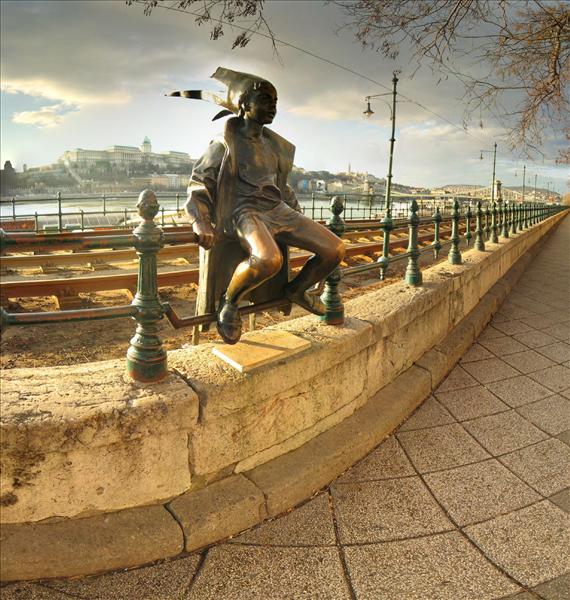
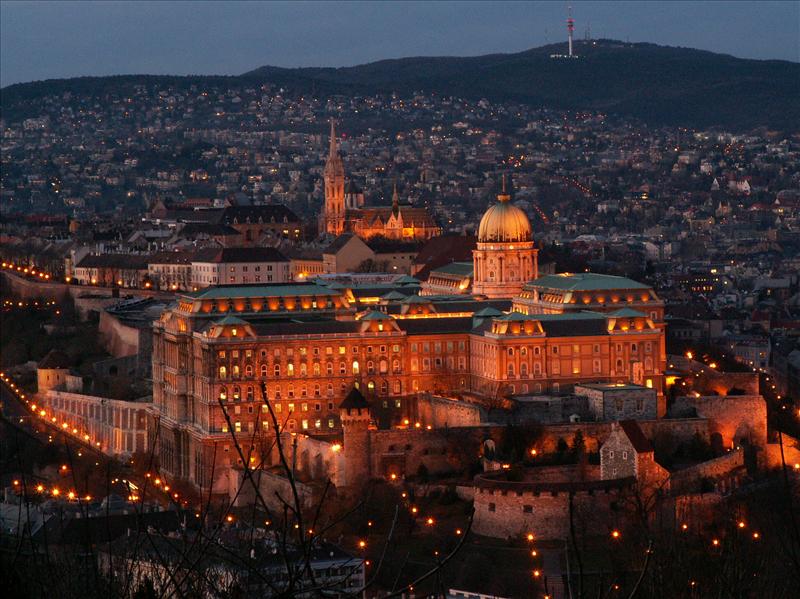
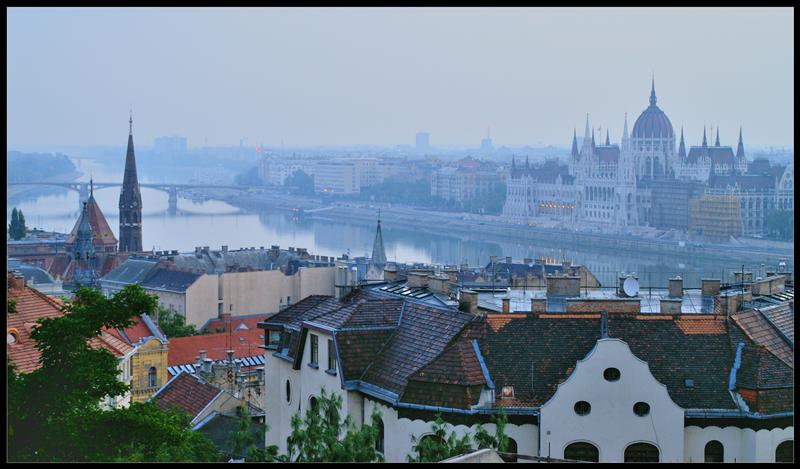
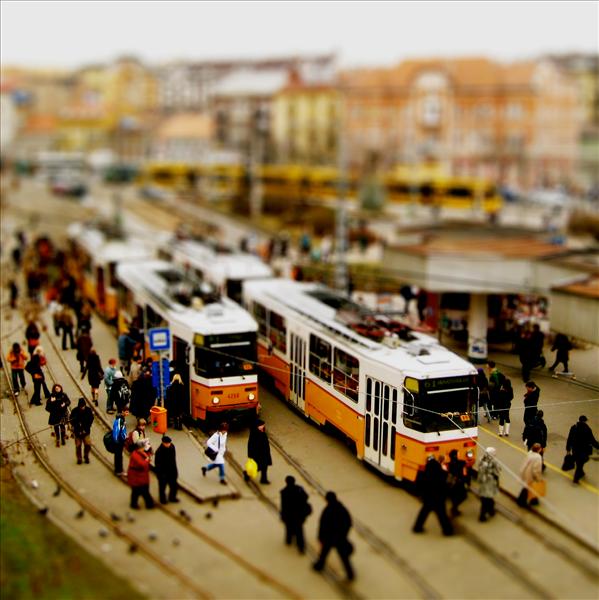
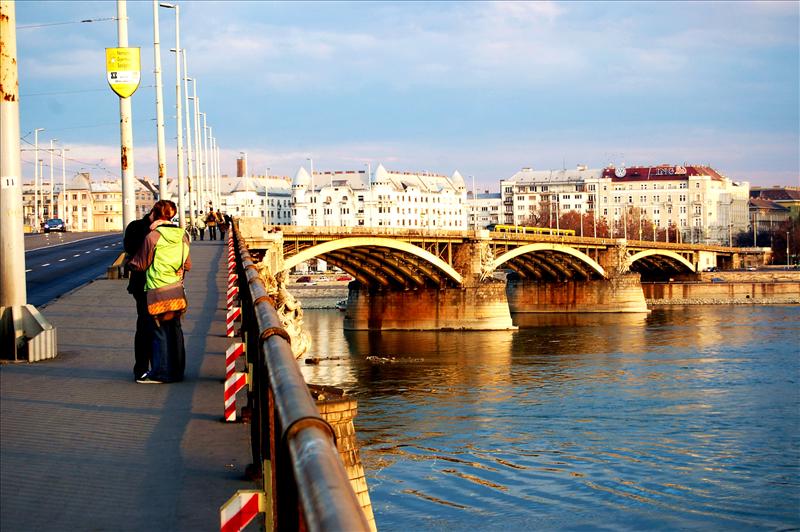
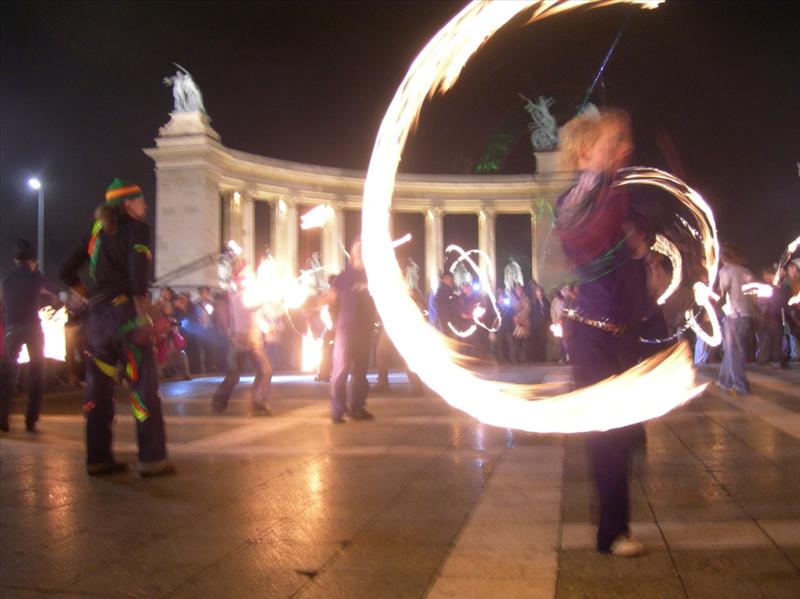
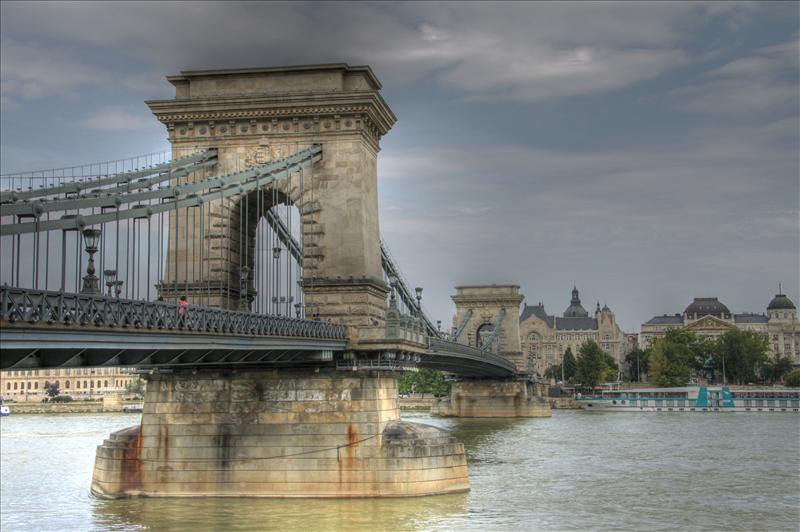
Budapest is the capital city of Hungary. With green filled parks full of charming pleasures, museums that will inspire, and a pulsating nightlife that is on par to its European counterparts, Budapest is one of Europe's most delightful and enjoyable cities.
Understand
Regarded by many as one of world's most beautiful cities, travelers are quickly recognizing the appeal of Budapest, with tourism accounting for approximately 20 million visitors per year.
Consisting of two very different cities, Buda on the west bank of the Danube River and Pest on the east bank, Budapest (pronounced "BOO-dah-pesht") offers travelers Viennese romanticism at an affordable price. However, Budapest is unique in its own right. Hungarians are proud of what this ancient capital has to offer and its contributions to European culture, especially in the field of music, a language one doesn't need to speak to appreciate.
History
Budapest first appeared on the world map when the Romans founded the town of Aquincum around 89 AD, in what is today Óbuda. It soon became the capital of the province of Lower Pannonia, and the Romans even founded a proto-Pest known as Contra Aquincum on the other side of the river.
The Romans were replaced around 900 by the Magyars, who went on to found the kingdom of Hungary. The Mongols dropped in uninvited in 1241, but the Magyars bounced back and built the Royal Castle that still today dominates Buda in 1427.
In 1541, Buda and Pest fell to the Ottomans and stayed in the hands of the Turks until 1686, when the Austrian Habsburgs conquered the town. Now at peace, both sides of the river boomed, and after an abortive Hungarian revolution in 1848–49, the great Compromise of 1867 made Budapest the united capital of the Hungarian half of the Dual Monarchy of Austria-Hungary.
Budapest emerged from World War I battered, but now the capital of an independent Hungary, and its population reached one million by 1930. Air raids and a terrible three-month siege towards the end of World War II resulted in the death over 38,000 civilians, and up to 40% of Budapest's Jewish community were murdered during the Holocaust. A total of 400 000 Jews in the area were murdered by the Nazis and their Nyilas sympathizers. One man noted in history was Raoul Wallenberg, a Swedish humanitarian sent to Hungary under a diplomatic cover, who tried to make a difference by distributing Swedish passports to as many Jews as possible.
After the war, the city recovered and became a showcase for the more pragmatic policies of Hungary's hard- line Communist government. It was, however, site of the 1956 Hungarian uprising against unpopular policies such as collectivisation. The revolution against communist rule only ended when the Soviets sent in the tanks as they felt Hungary slipping out of their influence and control. Today's Budapest is by far the wealthiest and most cosmopolitan city in Hungary and is increasingly popular with tourists. In 1987, it was inscribed on the UNESCO World Heritage List for the cultural and architectural significance of the Banks of the Danube, the Buda Castle Quarter and Andrássy Avenue.
Official Tourism Information
Quality of life
Homelessness is a big problem in Budapest. People who are homeless are commonly seen in the inner city metro stations and sleeping in doorways in both Buda and Pest.
History
Budapest first appeared on the world map when the Romans founded the town of Aquincum around 89 AD, in what is today Óbuda. It soon became the capital of the province of Lower Pannonia, and the Romans even founded a proto-Pest known as Contra Aquincum on the other side of the river.
The Romans were replaced around 900 by the Magyars, who went on to found the kingdom of Hungary. The Mongols dropped in uninvited in 1241, but the Magyars bounced back and built the Royal Castle that still today dominates Buda in 1427.
In 1541, Buda and Pest fell to the Ottomans and stayed in the hands of the Turks until 1686, when the Austrian Habsburgs conquered the town. Now at peace, both sides of the river boomed, and after an abortive Hungarian revolution in 1848–49, the great Compromise of 1867 made Budapest the united capital of the Hungarian half of the Dual Monarchy of Austria-Hungary.
Budapest emerged from World War I battered, but now the capital of an independent Hungary, and its population reached one million by 1930. Air raids and a terrible three-month siege towards the end of World War II resulted in the death over 38,000 civilians, and up to 40% of Budapest's Jewish community were murdered during the Holocaust. A total of 400 000 Jews in the area were murdered by the Nazis and their Nyilas sympathizers. One man noted in history was Raoul Wallenberg, a Swedish humanitarian sent to Hungary under a diplomatic cover, who tried to make a difference by distributing Swedish passports to as many Jews as possible.
After the war, the city recovered and became a showcase for the more pragmatic policies of Hungary's hard- line Communist government. It was, however, site of the 1956 Hungarian uprising against unpopular policies such as collectivisation. The revolution against communist rule only ended when the Soviets sent in the tanks as they felt Hungary slipping out of their influence and control. Today's Budapest is by far the wealthiest and most cosmopolitan city in Hungary and is increasingly popular with tourists. In 1987, it was inscribed on the UNESCO World Heritage List for the cultural and architectural significance of the Banks of the Danube, the Buda Castle Quarter and Andrássy Avenue.
Getting there
By plane
Budapest (Ferihegy) International Airport IATA : BUD , Ferihegyi Nemzetközi Repülőtér; (pronounced "Ferry-hedge") is the country's largest airport, located about 16 km (10 miles) southeast of the city center. Ferihegy has two terminals, Terminal 1 and Terminal 2, often called Ferihegy-1 and Ferihegy-2, respectively. Terminal 2 is the hub of the Hungarian national carrier, Malév .
The airport’s central telephone number for information is: +36-1296-9696 or on+36-1296-7000. Luggage services can be contacted on+361296-5449 in connection with flights into and out Terminal 1 and+36-1'' 296-5965 for Terminal 2.
Terminals
-
The small, renovated Terminal 1 (gates 1-10; opened in 1950) is used by low-cost airlines (such as EasyJet and RyanAir) both from Schengen and Non-Schengen destinations.
-
The more spacious Terminal 2 (opened in 1985) is divided in two: Terminal 2A (gates 20-30) serves all Schengen Area destinations. Terminal 2B (gates 11-19) serves all Non-Schengen Area destinations.
It is wise to double-check your arrival and departure terminal: while Terminal 2A is within a short walking distance from 2B, the distance between Terminal 1 and 2 is quite sizable - the trip takes 6-8 minutes by car or 12 minutes by bus.
Duty free stores are operated by Travel Value . Customs authorities in German airports may not allow you to bring duty-free items purchased at the airport in Budapest through Germany. On Terminal 2, among dedicated brand shops, there are only Hugo Boss and Swarowski. The traditional alcohol-tobacco-sweets assortment shop has a decent choice of local wines, mainly by Gundel. Several cafés also serve travellers, there are Caffè Ritazza eateries on Terminal 2A. One is in a pre-checkin area; another is in the boarding area, after passport control. Terminal 2B pre-boarding area has half a dozen of cafes.
Connections
The Hungarian national flag carrier is MALÉV . Budapest is connected with the major European cities and some countries of the Middle East, Asia and North Africa by direct flights. The scheduled service between Budapest and the US is operated by Delta Air Lines.
As of 2009, the following discount airlines operate to and from Budapest (using Terminal 1 unless otherwise stated):
-
EasyJet (from France, Germany, Great Britain and Switzerland);
-
WizzAir (from Belgium, Bulgaria, France, Germany, Great Britain, Greece, Italy, Netherlands, Norway, Romania, Spain and Sweden).
In winter (Dec-Mar) Malév's Budapest Winter Invitation , offers discounted fares for international flights to Budapest, and its 45 partner hotels provide 4 nights accommodation for the price of 3.
Airport transfer
-
Taxi. Zóna Taxi +36-1 365-5555 has the right to take passengers from Ferihegy airport. According to your destination, a trip to Budapest costs between HUF 3900-5700 (EUR 17-27) - the fare is slightly more expensive if paid in Euros. Queue at the taxi stand to receive a written quote for your fare, then pay it when you arrive at your destination - this system is designed to eliminate unjustified price hikes. IMPORTANT: unless you have pre-ordered a taxi from a different company, do not accept offers from taxi drivers waiting in the terminal or near the terminal entrances. This is for your own safety. On your trip into town you might receive a business card from Zona Taxi quoting cheaper fares bound to Ferihegy airport (i.e. EUR 16 from Pest). Reserve a car by phone and quote the offer to save some money.
-
Minibus service. If you travel alone, consider the Airport Minibus service , a shared taxi operation that collects passengers going in the same direction and will take you to or from anywhere in Budapest for HUF 2990 per person, HUF 4990 for a round trip. Join the queue at the airport and you will be on your way in 15 minutes. For the trip back, call the center +36-1 296-8555 (at least 24 hours beforehand) and Airport Minibus will pick you up.
-
Bus. From either Terminal 1 or Terminal 2, Bus 200E takes you to to Kőbánya-Kispest metro 3 station. Buses stop outside the airport terminals. The journey to the metro station takes approximately 26-30 minutes from Terminal 2 or 15-17 minutes from Terminal 1. Buses run every 8-20 minutes from 05AM to midnight. There is no night bus service between the airport and the city, but the last four departures of bus 200E are connected to the night buses 914 and 950 which replace the metro.
If you arrive in terminal 2B, take note that the buses are to be taken from outside terminal 2A, which is 50 meters to the left after you exit. But before exiting terminal 2B, be sure to buy some bus tickets from the newspaper vendor.
Bus tickets are available in airport terminals for HUF 300 at the newspaper vendors, or HUF 400 if you purchase directly from the bus driver. Note that a single ticket is only valid on the bus. If you continue with the metro from Kőbánya-Kispest to the central city you need to buy a new single ticket. You will be better off buying 2 tickets from the airport, one for the bus and one for the metro, as the automatic machine in the metro station only takes coins.
The bus ticket has to be validated inside the bus, while the metro ticket will be validated in the orange machine present at the entrance in the station.
- Railway. If your flight lands at Terminal 1, there is a quick train service from the nearby Ferihegy railway station to Nyugati station in the centre of Budapest (on the Pest side). Tickets can be purchased from the information kiosks in the airport or from the machine at the train station. The train is not an option for travellers who land at Terminal 2, due to the distances between the terminals. The fare costs HUF 320, and ensure you purchase it before you get on the train, as a ticket bought from a conductor on board carries a sucharge of HUF 2,000. Trains run two or three times an hour from 04:00 to 00:00 and in the other direction from 03:00 to 00:30. Budapest public transport tickets are NOT valid on this train, but Budapest passes are valid . For timetable information, check the Hungarian Railways website . Use the words "Ferihegy" for the airport and "Nyugati" for the city center. The journey takes about 25 minutes, however, delays may occur and buying a ticket at Nyugati station can be time consuming in peak hours.
By train
Budapest has direct rail connection with Austria, Bosnia and Herzegovina, Croatia, Czech Republic, France, Germany, Greece, Italy, Poland, Romania, Russia, Serbia, Slovakia, Slovenia, Switzerland, Turkey, Ukraine and various Hungarian cities.
The main railway stations (pályaudvar) are Keleti pályaudvar (Eastern Railway Station), Déli pályaudvar (Southern Railway Station) and Nyugati pályaudvar (Western Railway Station). The stations are not named for their geographic location in the city, nor for the direction of the destinations served by each (trains to Vienna, for example, leave from Keleti). The stations are well connected to each other and to the rest of the city. Keleti and Déli Railway Stations are located on Metro 2, Nyugati Railway Station is on Metro 3. A transfer should not take more than 15 minutes at peak hours; slightly more on weekends and evenings. Depending on where you are coming from, some outer stations can be useful to you; trains arriving from Vienna, Bratislava, the lake Balaton or other western locations stop at Budapest Kelenföld station, which is a good public transport hub for Southern Buda. Trains arriving from Romania, Ukraine and Eastern Hungarian cities regularly stop at Kőbánya-Kispest station, a good place to get to Eastern Budapest or to Ferihegy Airport.
Train stations in Budapest are not up to Western quality standards; they are hard to access for people with disabilities and their facilities are very limited. Be prepared for long queues at the ticket office; English is rarely spoken. Do not expect luggage trolleys or clean toilets. Food or a coffee purchased at the stations is unlikely to give you a gastronomic buzz; it is also difficult to find a good nearby cafe if you didn't research in advance. If using taxi on your way from the station, do not accept any offer from drivers waiting around the station entrance. For further information read also Stay safe section.
Hungary’s rail system is operated almost entirely by the Hungarian State Railways (Magyar Államvasutak, MÁV). About services, discounts, schedules and on-line booking check Hungary.
If you want to have comfy feeling on your trip, use the InterCity trains (additional fee applies, seat reservation compulsory). Local trains with older coaches can look like interesting, however lots of old coaches were replaced. When travelling late night, expect that some trains operated on not very frequented lines can be completely empty.
By bus
Budapest’s long distance bus stations are located outside the city centre, but are very well connected to the rest of the city. Main stations are:
-
Népliget Bus station (Népliget autóbuszállomás, metro 3, Népliget station). Buses from abroad and most of Western Hungarian destinations arrive (and depart) here. Fairly modern station with reliable facilities. Do not forget to check in if you travel abroad.
-
Stadion Bus Station (Stadion autóbuszállomás, formerly known as Népstadion autóbuszállomás, metro 2 Stadionok station). The biggest hub for Eastern Hungarian destinations, quite modern but somewhat dirty station built underground.
-
Árpád Bridge Bus Station (Árpád híd autóbuszállomás, metro 2 Árpád híd station). A smaller station for some Northern destinations and suburban traffic; use it to and from Szentendre, Esztergom or Visegrád.
-
Etele tér Bus Station (Etele téri autóbuszállomás, bus 7E, 173E). A newly built station next to Kelenföld Railway Station, at the future terminus of metro line 4, useful for getting to Statue Park and some suburban destinations.
International bus routes are operated by Eurolines +36-1 318-2122 . Although most connections are not as frequent as before the low-fare airlines revolution, they still run two or three times a week; from Austria and Slovakia daily. Orangeways 36-30 830-9696, a low fare bus company offers cheap tickets from and to Austria, Czech Republic, Croatia, Germany, Netherlands, Poland and Slovakia. Check timetables on company sites.
Hungary’s national bus network is operated by Volán Association . If you arrive to Budapest from another Hungarian city, bus is often the best option. About services, discounts, schedules and on-line booking possibilities check Hungary.
By boat
There is a scheduled hydrofoil service on the Danube to and from Vienna and Bratislava daily between early April and early November operated by Mahart, +36-1 484-4000, .
Traveling around
Orientation
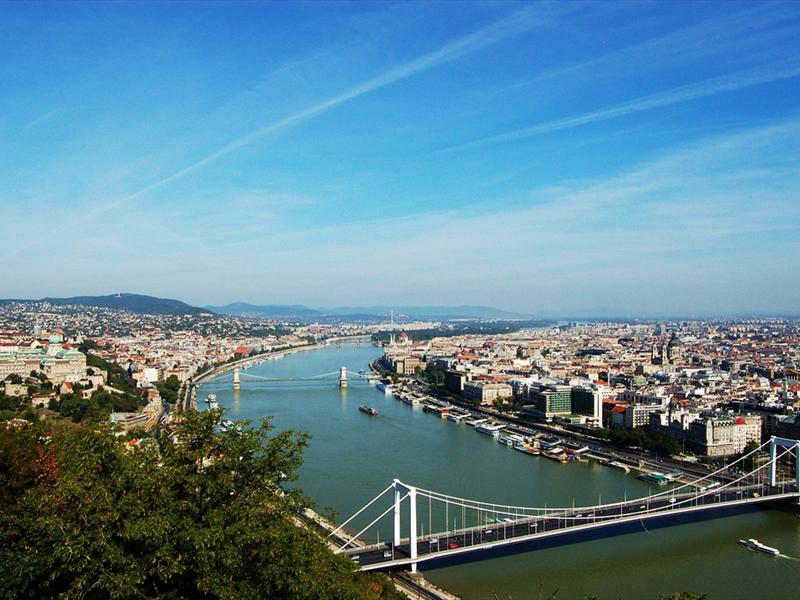
Orientation is not a big problem in Budapest. River Danube splits the city in two areas: Buda and Pest. Aside from the very center, the city's structure is quite logical. Landmarks in Buda as the Royal Castle or Citadella Castle also help you to find your way. Besides the Danube itself, the best reference points for orienting yourself are the bridges crossing the river. From North to South, they are:
-
Árpád Bridge (Árpád híd), A modern bridge linking to Northern Margaret Island. The longest bridge in Budapest at 973 meters.
-
Margaret Bridge (Margit híd), Easily identified thanks to its distinctive shape: it makes an approximately 35 degree turn half way across, at the southern tip of Margaret Island. Trams 4 and 6 cross the Danube here.
-
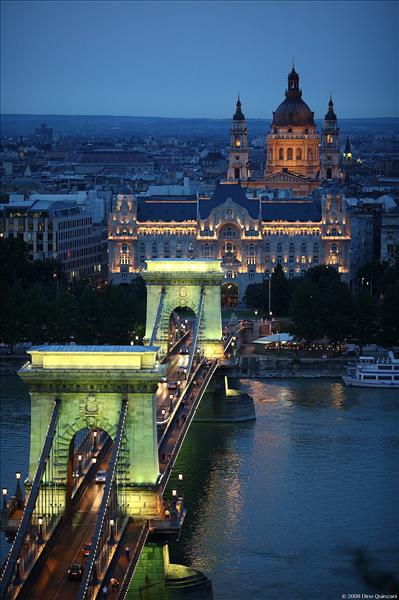
Chain Bridge (Széchenyi lánchíd), Completed in 1849, the oldest, arguably most beautiful and certainly the most photographed of Budapest's bridges, floodlit at night.
-
Elisabeth Bridge (Erzsébet híd), Completed in 1903. Its original chain structure was destroyed in World War II, and was eventually substituted by a modern cable bridge opened in 1964.
-
Liberty Bridge (Szabadság híd), Elegant but simple, opened in 1896; it connects the Gellért Baths (Gellért fürdő) in Buda with the Great Market Hall (Nagyvásárcsarnok) in Pest. Recently renovated.
-
Petőfi Bridge (Petőfi híd), For a long time the southernmost bridge, it links the inner ring road (Nagykörút) of Pest with Buda.
-
Lágymányosi Bridge (Lágymányosi híd), The newest bridge in Budapest, with modern architecture and a spectacular lighting system where mirrors reflect the beam of the upward facing floodlights.
On foot
Many of Budapest's highlights are easy to approach walking, and in the center you find more pedestrian zones from year to year. Car drivers tend to respect pedestrians and often give advantage on a cross-walk even if there is no traffic light. Due to the lack of bike lanes, cyclists have to weave around pedestrian traffic; be prepared. Don't wear high-heeled shoes in the downtown as there are lots of stone pavements, especially in the Castle Hill.
Public transport
You'll find several points of interest within walking distance, but Budapest is a sizable city, so unless you drive your own car, you will inevitably use some form of public transportation. The good news is that the urban area is well covered by three metro lines, blue urban buses, yellow trams and red trolley-buses, and the whole system is easy to understand. The bad news is that the schedules are less than reliable, vehicles are not always clean, and tickets have become increasingly expensive.
Public transportation in Budapest is run by Budapest Transport Limited Company (BKV) , which has a useful English-language site including current schedules and fares. Vehicles run from around 5AM to 11.30PM. After that an extensive night bus network is available.
When the government decided in the early 70's that a new metro line should connect South Buda with Central Pest by 1978, no-one thought that it would become a synonym for incompetence and perpetual lack of money. Everything had been at a standstill until 2007, when works finally began after endless political debates. Is now everybody happy? Of course not. The Metro 4 construction is widely criticised for its high cost and supposedly failed and obsolete trace. Officials say it won't be completed by the official deadline (2010), and construction keeps the city paralysed, which is locals' favourite conversation theme for now.
If you only visit Budapest for a few days as a tourist, you may find the following lines particularly useful:
-
Metro 1, 2, 3 connect the suburbs with the biggest transport hubs, numerous touristic highlights and central hotels.
-
Tram 2 runs along the river Danube on Pest side.
-
Tram 4, 6 follow Nagykörút, Pest's inner ring road.
-
Bus 7, 7E, 173 and 173E connect Keleti railway station with the city center and many points of interest in Buda and Pest.
-
Bus 16, 16A and 116 go to Buda castle.
-
Bus 105 connect Hősök tere (Hero's Square), goes up and down Andrássy boulevard to Deák square/Erzsébet square before it goes across the Chain Bridge to Buda and passes by Déli pályaudvar (Southern railway station).
-
Bus 200E serves the airport.
If you stay longer, it's worth to buy a public transportation map at any BKV ticket office.
Tickets and passes
If you intend to travel a lot (and you probably will), travel cards are far less expensive than single tickets. As of 2009 most useful tickets and travel cards for tourists include the following:
-
Single ticket (vonaljegy): Valid for one journey, transfer not allowed on buses and trams, but one transfer is allowed between metro lines (a new rule introduced in January 2009). HUF 300. HUF 400 if purchased from the driver (available on designated lines).
-
Transfer ticket (átszállójegy): Valid for one journey, one transfer allowed. HUF 470.
-
10-trips travel card: 2700 HUF
-
One-day travel card (napijegy): Valid for 24 hours after purchase (not only on the day of purchase - a new rule introduced in January 2009). HUF 1550.
-
Three-day travel card (háromnapos turistajegy): Valid for 72 hours after purchase (not only on the day of purchase and the two following days - a new rule introduced in January 2009). HUF 3850.
-
Seven-day travel card : Valid on the day when purchased and on the following six days. HUF 4600.
-
Fourteen-day pass (kétheti Budapest-bérlet): Valid for 14 consecutive days with a photo pass (take a passport size photo to the ticket office). Valid also on MÁV trains and suburban yellow Volán buses (a new rule introduced in January 2009). HUF 6200.
-
One-month pass (havi Budapest-bérlet): Valid for 30 or 31 consecutive days with a photo pass (take a passport size photo to the ticket office). Valid also on MÁV trains and suburban yellow Volán buses (a new rule introduced in January 2009). HUF 9400.
-
Monthly pass for students : Valid for 30 consecutive days, with a student ID, e.g. ISIC. HUF 3700.
-
Budapest card (Budapest kártya) allows you unlimited free travel in the city, and also gives you discounts at museums and restaurants. Two-day card HUF 6300, three-day card HUF 7500.
You WILL run into ticket inspectors. They are posted at almost every single entrance and exit. They have a notoriously bad reputation with locals, often being rude. Rarely speaking English, they sometimes pick tourist from the mass. If you get caught, you may choose to pay the fine on the spot (HUF 6000) or later by mail (HUF 12,000 if paid within 30 days). If paying on the spot, ask for a certificate to prevent the fine to go to the private purses and wallets of the inspectors. Can't stress this enough: have a pass/ticket on you at all times and do try not to let the inspectors take it out of your hands. Don't be afraid if they are threatening you with the police - they usually never arrive. Inspectors have no right to hold your passport, credit cards or any ID, don't even give to them. If you feel trouble, call the police or even some locals will help you to escape, but the best way is to have a Budapest Card, or any unlimited travel pass.
Several times there is ticket control entering the subway lines, especially at major stations.
Metro
Budapest's underground network is an excellent way to get around, it connects the suburbs with railway and autobus stations, several centrally located hotels, museums and sights. The system consists of three lines, crossing at Deák tér station (Deák square, in Pest center).
-
Metro 1 (yellow line) connects Mexikói út (Mexikói road, a transport hub in Central-Northeast Budapest) with Vörösmarty tér (Vörösmarty square in Pest's commercial and touristy center), and also passes the Opera and Hősök tere (Heroes' square). It was built to commemorate the 1000th year of Hungarian nationhood in 1896 (thus often called Millennium Subway). It was the first underground built in the Continental Europe and second in the world after London. Although the vehicles are not original, the beautifully rebuilt, tile covered stations are a gorgeous historical memory of Budapest's richest period (1880-1910).
-
Metro 2 (red line) connects Déli pályaudvar (Southern Railway Station, in Central Buda) with Örs vezér tere (Örs vezér square, the biggest transport hub of Eastern Pest), and also takes you to Moszkva tér (Moszkva square, Buda's biggest transport hub), Kossuth tér (Kossuth square, around the Parliament in Pest center) and Keleti Pályaudvar (Keleti Railway Station, in Pest). Although the construction started in the 50's, the line was only opened between 1970 and 1972. Having been completely rebuilt since 2004, its stations seem brand new, but trains are still the old, Soviet-style ones.
-
Metro 3 (blue line) goes from Újpest-Központ (residential area in Pest's Northern suburbs) to Kőbánya-Kispest (transport hub in Central-Eastern Pest, terminus of bus 200 to the airport), passing Nyugati Pályaudvar (Western Railway Station) and different stations in central Pest. Opened between 1976 and 1990.
All the metro lines are well represented on maps scattered on platforms.
There is one important fact for Senior Citizens resident in the EU. For EU Residents, over the age of 65, travel on the Metro, Buses and Trolley Buses is Free, but an Identity Document must be carried proving the above to Insoectors if requested. This also applies to some train journeys.
Tram
Budapest's 25 tram lines are a tourist-friendly way of getting around. They are slower, but more scenic than the subway and particularly useful on the nearly subway-less Buda side of the river. Be careful about doors, they open on different side of the tram on different stops.
Particularly useful lines for tourists are:
-
Tram 4 and 6 both run along Nagykörút, Pest's inner ring road, providing access to all three metro lines at multiple stations, and crossing over to Buda on Margaret Bridge (Margit híd) – another beautiful view. Although technically two lines, 4 and 6 only diverge for their last two stops that the tourist is unlikely to visit.
-
The two lines running along the Danube river (19 in Buda and 2 in Pest) are considered a part of the cityscape. Both offer beautiful view of the opposite side.
By bus
Budapest has a dense bus network, which also connects the agglomeration and suburban zones with several metro and train stations and the city center. Numbering system is now easy to understand. Numbers below 299 indicate regular bus routes. Numbers with an added 'E' (for example 7E or 173E) indicate express services that don't stop at all stops. Numbers with an added 'A' have shorter routes than their regular counterparts (for example bus 30 has a longer itinerary than 30A). Numbers above 900 indicate night services. (Numbers between 800 and 899 are suburban services provided by Volán company, BKV tickets and most tourist passes are not valid on them.)
Particularly useful lines for tourists include:
-
Bus 7, 73, 7E, 173E, – all connect Keleti railway station with Blaha Lujza square (Blaha Lujza tér, junction with tram 4, 6), Pest city center and many points of interest in Buda.
-
Bus 16/16A/116 go to Buda Castle from Moszkva square (Moszkva tér).
-
Bus 200E runs to Ferihegy Airport from Kőbánya-Kispest Metro 3 station.
Be aware that in September 2008 many lines have been provided with new numbers.
Trolley-bus
Budapest's 13 trolley-bus lines run in Northeast and Central Pest. Unless you are a trolley buff, you're unlikely to use them frequently. However, some of them pass through the City Park (Városliget) and cross Andrássy avenue (Andrássy út), giving you beautiful views while using this eco-friendly mode of transport. Line 70 from Kossuth square (Kossuth tér, next to the Parliament) to City Park (Városliget) also passes through the lively Nagymező utca, Budapest's "Broadway".
Suburban rail
Green suburban railway lines (called HÉV) connect central Budapest with several suburbs, but most of them are of little use to visitors. Note that your tickets and travel passes are valid only within the city boundaries, otherwise you should purchase a supplementary ticket (kiegészítő jegy) at a ticket office.
-
Line Batthyány tér–Szentendre goes upriver to the picturesque village of Szentendre. The same train takes you to Sziget Fesztivál , Central Europe's biggest summer music festival. It connects at Batthyány tér with metro 2, at Margit híd (Margaret bridge) with tram 4/6.
-
Line Örs vezér tere–Gödöllő takes you to the beautiful royal castle of Gödöllő from Örs vezér tere metro 2 station.
Other
Some other means of public transport can be useful if you get tired of regular buses and trams, or if you want to escape from the hustle and bustle to the lush green hills surrounding Budapest.
-
Cogwheel railway (Fogaskerekű vasút) is a tram-like railway running from Városmajor terminus (two stops from Moszkva tér metro 2 station by tram 59 or 61) to Széchenyi hill (Széchenyi hegy), Buda's popular picnic, excursion and sledging place. BKV tickets and passes are valid.
-
Boat. Budapest currently has only one regular boat service, theoretically running around five times a day from May to September, from Boráros tér (South-Central Pest) to Rómaifürdő (Northern Buda), making 8 intermediate stops. BKV tickets and passes are NOT valid.
-
Buda Castle funicular (Budavári sikló). This handsome, short funicular line takes you from Chain Bridge (Lánchíd) Buda end to Buda Castle. Built in 1870, completely destroyed in World War II, rebuilt only in 1986. BKV tickets and passes are NOT valid. As one might expect, it is relatively expensive and touristy.
-
Széchenyi Hill Children's Railways (Széchenyi-hegyi Gyermekvasút) it's a narrow gauge line, operated partly by children. The 11,2km long line is running on the Buda Hill's, giving a beautiful look at the nature around Budapest. You can reach the endstation "Széchenyi hegy" by the Cogwheel railway or the other one "Hűvösvölgy" by taking the tram or bus number 56 from "Moszkva tér". Before using it, you should take a look at it's home page for the timetable at . BKV tickets and passes are NOT valid.
-
Zugliget Chair-lift (Zugligeti libegő) It's a chair lift, taking you from "Zugliget" to "János hegy". You will have a nice view while traveling. BKV tickets and passes are NOT valid.
Night services
Budapest is covered by 34 night bus lines. Numbers are triple-digit, starting with '9'. Buses run every 15-60 minutes from around 11PM until 4AM. The main linking points of the night bus network are Moszkva square (Moszkva tér) tér in Buda and Astoria (junction of Kossuth Lajos utca–Károly körút) in Pest. Daytime tickets and passes are valid.
Most useful night buses are:
-
906 – Running along the Nagykörút, Pest's inner ring road, basically as tram 4 and 6 do during the day.
-
907 – Substitutes daylight bus 7.
-
914, 950 – In the city center substitute metro 3.
On line map and schedule are available on BKV's home page .
On Friday and Saturday nights ticket inspectors gather around the stops and don't let you hop on the bus without a valid ticket or pass. They also sell tickets for HUF 350.
By car
Apart from the summer holiday, Budapest has a heavy traffic with long-lasting traffic jams in the morning and in the afternoon. If you don't want to spend your visit to Budapest in a traffic jam, leave your car in the hotel's garage, and use the public transport.
If you drive across downtown, plan your journey, otherwise you can get into tough situations. For example you cannot turn left in most of the crossings of the inner ring road (Nagykörút) or on the main avenues like Andrássy út, Váci út, Üllői út or Rákóczi út.
By taxi
Budapest's taxi drivers are not always prepared for English speaking clients, but it does not necessarily mean that they intend to overcharge their foreigner guests – use one of the major taxi companies with English speaking switchboards to avoid problems. All of them have flashy home pages, but currently only City Taxi is available in English. If you wish to call any of the following phone numbers from abroad, use the +36-1 (Hungary-Budapest) code before the numbers.
Do not accept offers from taxi drivers waiting in the airport terminals or railway stations. Use your common sense, sit only in taxis logoed by bigger companies. Also note that most taxis parked in the downtown areas do not belong to radio taxi companies and charge much more than the usual HUF 200+ per km. Ask about their price in advance or call any of the taxi companies above.
By bicycle
Budapest may be one of the most exciting places of Europe, but it's still not a cyclists' paradise. There are bikeways separated from automobile roads in the downtown, but unfortunately often used as car-park or pedestrian zones. Generally, the city is not prepared for cyclists' presence, but situation is slowly changing. Budapest has been home to Europe's biggest cycling demonstration, Critical Mass , where in 2008 more than 80 000 people participated.
If you are ready, renting a bike is not a problem, but still not cheap. Expect to pay around HUF 2000-3000 for a day.
Budapest offers a variety of bike rental companies. Some of them are:
-
Budapest Bike, +36-30 944-5533. Rent a bike starting at 2000HUF for 6 hours.
-
Yellow Zebra Bike, +36-1 266-8777. Rent a bike starting at 1500 Ft for 1-5 hours.
-
Bikebase, +36-1 269-5983. Bike rentals available for 8 EUR (2 000 HUF) for 24 hours.
Cyclists are not very patient, so be aware while you are walking, if you hear a shout, be prepared to get out of the way quickly. This is because a bell is something people haven't really heard of (both cyclists and pedestrians alike) so using one while cycling might not result in people moving to the side; they might not even react at all! Also, beware of pedestrians wandering onto marked bicyclepaths.
See
This section only highlights the most important attractions in the city. See the Buda, Castle Hill and Pest articles for details on each of them, and for listings of local sightseeing.
Most of Budapest's famous sights are concentrated on Castle Hill on the Buda side, in downtown Pest and along the riverside walkways.
The main sights on Castle Hill are:
-
The Royal Palace (Királyi palota). The most popular attraction on the hill. Home to the:
-
National Gallery (Nemzeti Galéria) . Inside the Royal Palace wings B, C and D houses an astounding collection of paintings.
-
The Fisherman's Bastion and lookout terrace (Halászbástya). For impressive views across the Danube to Pest.
-
Matthias Church (Mátyás templom, aka Church of Our Lady). Dominant neogothic church crowning Budapest's cityscape - nowadays is under reconstruction.
Other museums on the Castle Hill:
-
The Music Museum. Includes a collection of musical instruments and the Bartok archive.
-
Marzipan Museum.
-
Pharmacy Museum.
-
Museum of Medieval Judaism.
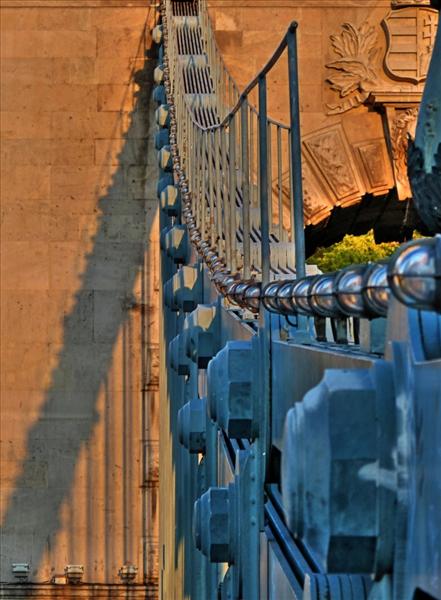
The Danube Bridges (see Orientation above), especially the Chain Bridge (Széchenyi Lánchíd) are really attractive and make it worthy to promenade along the river bank. Lánchíd (pronounced “laance heed”) means chain bridge and the suspension structure of the bridge is made of chains whose links are huge dog-bone shaped metal bars linked by pins at their ends.
You can have a superb glimpse over the bridges from the Citadella on the top of Buda's Gellert Hill (Gellérthegy).
Riding a boat is ideal as you can enjoy both riverbanks at the same time. For romantic views of the city, go at night.
Margaret Island (Margitsziget) and its large parks (see Buda) are a very pleasant place to relax and wander. Perfect for a sunny afternoon.
Downtown (Belváros) of Pest is the administrative and business centre of Budapest and the whole of Hungary. The main sights here are:
-
The Parliament Building (Országház). A neogothic jewel, beautifully situated overlooking the Danube. It is very much worth going inside, but you can only do that during guided tours, which are FREE (ignore those trying to pick you up outside the Parliament). Tickets for guided tours can be obtained each day from 8AM. You will have to go in front of the Parliament and queue at the ticket line. Again, ignore those that ask you if you want a guided tour. Just pick up your ticket inside and come back at the hour on the ticket. Guided tours in English are held each day at 10, 12 and 14.
-
St. Stephen Cathedral (Szent István Bazilika) . The main church of Budapest is an important example of neoclassical architecture, recently renovated.
-
Great Synagogue and the Jewish Museum (Dohány utcai Zsinagóga) The biggest Synagogue in Europe, and the most impressive in the world. Next to the Synagogue is a small but impressive museum. In the rear of the Synagogue is a memorial for victems of the Shoah. The synagogue was recently restored to its former grandeur. A block away you'll find a smaller, but nearly identical synagogue built long before the Great Synagogue. The plaque in front explains that this was used as some sort of assembly grounds for those persecuted during the Holocaust before they were deported. It has not been renovated, and you can see through the boards on the outside how decrepit it still is. A chilling sight.
Museums in at the city centre:
-
Museum of Transport.
-
Bible Museum.
The Andrássy út boulevard in Pest stretches from Downtown (Belváros) to the City Park (Városliget). It is listed on UNESCO's World Heritage List and has some important sights along it, including:
-
The State Opera House
-
The House of Terror (Terror Háza) . Housed in the secret police headquarters, this museum objectively documents the terror of the Nazi and Communist eras. Visiting is hard work, but essential for anyone wishing to understand Hungary's recent past.
-
The Hopp Museum of East Asian Art . Nearby is another similar collection, namely Gyorgy Museum.
-
The City Park (Városliget) is at the far end is probably the most pleasant of Pest's districts and features several interesting if low-key attractions which are often overlooked:
-
Heroes' square (Hősök tere) - with the Millennium Monument.
-
Museum of Fine Arts (Szépművészeti Múzeum) has an incredible range of European artwork from Greek and Roman times to the present. Especially valuable is its collection of Spanish Baroque painting.
-
Vajdahunyad Vára is a castle on a little island on a lake built for the 1898 World Fair. In the winter, the lake is turned into the city's biggest ice rink. Nowadays it houses an agricultural museum.
-
On Buda side there are:
-
Aquincum was a city in the Roman times, it's remains are turned into a great open-air museum. It's situated in the Óbuda district of northern Buda.
-
Gül Baba Türbéje is the shrine where Gül Baba (literally Rose Father, from whom the Rózsadomb (Rose Hill) was named) lies.Offers a nice view and the little street which leads down the hill from there contains more houses that won the "House of the Year" award.
-
Kassák Museum at the Zichy Castle shows works of the modern Hungarian artists as well as modern Hungarian art.
-
Statue Park - Rather than smash the statues of the Communist era, the Hungarians arranged them with a twist of irony in this park to the south of Buda.
-
Victor Vasarely Museum shows many works of the famous Hungarian-born post-modern painter Vásárhelyi Győző (1908-1997).
Music related Museums: Music lovers, beware that all four museums are closed in August.
-
Kodály Museum.
-
Liszt Museum.
-
Bartók's House.
-
The Music Museum. Includes a collection of musical instruments and the Bartok archive.
Additional Museums:
There are several travel agencies, tour operators offering city tours or walking tours, if you don't have much time, you can use one of them and you can visit the main sights within 3 - 4 hours.
Eat
Local specialties include paprikás, gulyás, Lake Balaton pike-perch (fogas), pörkölt (a goulash-like stew with lots of onions), halászlé (fishermen's soup served differently by regions), stuffed cabbage, and liberal use of paprika. There is also a great variety of wonderful pastries, many of which you will recognize if you are familiar with Viennese pastries. As in other spheres, the Hungarian approach to food combines pride in their own traditions with a readiness to accept outside influences. The result is a vibrant restaurant scene where an Asian-Hungarian fusion restaurant may well be of genuine interest.
Remember, though, that "goulash soup" is indeed a soup, not the "goulash" that visitors may be familiar with. To order that, you want "pörkölt".
See the Buda, Castle Hill and Pest articles for detailed listings of restaurants and cafes.
Coffeehouses
Coffeehouses (kávéház) are a Budapest institution and a visit to one should be on every traveller's agenda. As the name implies, these are places for a cup of coffee and a delectable pastry, not a full meal.
Restaurants
Budapest has many great places to eat, but an unfortunate number of tourist traps as well. Avoid restaurants in touristy areas like Váci utca, especially if the customers are all foreigners, or you'll more likely than not be served mediocre food with an exorbitant bill padded with all sorts of bizarre charges. In other restaurants too, note that anything you don't explicitly ask for, but appears on your table anyway, is likely to be charged for. Don't take restaurant tips from anyone on streets, do it at your hotel.
Top-notch quality food (1st category restaurants) charge a wide range of prices (from starters around 1000F, main courses around 3.000ft-10.000ft, and menus from 5.000ft).
Chains
Only cross-district chains are listed here; see district articles for individual restaurants.
-
Wasabi . Excellent Japanese and Korean food. Lunch 3790ft (11AM-5PM weekdays).
-
Pest. Podmaniczky ut 21 (close to Nyugati station) 11:30AM-11PM weekdays.
-
Buda. Szépvölgyi ut 15 (train station Szépvölgyi ut) 11AM-11PM.
-
Trófea Grill . The best among all-you-can-eat. Best to book a table in advance. Has 4 locations:
-
near Nyugati Train Station (Visegrádi u. 50A)
-
at the final station of Metro line 1 (Erzsébet királyné út 5)
-
downtown by Margaret Bridge (Margit körút 2)
-
in the XIth district (Hauszmann Alajos / Szerémi út).
-
Leroy Cafe, Pest (5 locations), Buda (3 locations), Mid to high-priced restaurant chain that offers Hungarian classics with other Italian and European cuisine. Very fashionable interiors and popular with the well-paid white collar crowd. Reservations are recommended during traditional peak times.
Grocery Stores
There are hypermarkets like "Auchan", "Tesco" ,"Cora" where the food is cheap, and they offer an usually wide range of goods (If you want to take some paprika or sausage home as a souvenir, buy it here--it's much cheaper). Around the downtown areas, you will find smaller grocery chains such as GRoby, Spar, Plus and CBA.
Kosher
Hanna's Kosher Kitchen Features classic Hungarian food, but Kosher. VII., Dob utca 35. Tel.:+361 342-1072.
Kinor David VII. Dohany utca (next to the big Dohány Temple) Tel. (+361) 413-7304 or 5.
Salamon glatt kosher restaurant (Next to King's Hotel)1072 Budapest, VII. Nagydiófa u. 27 Tel: (++36-1) 413-1487, 413-1488 Cell: (++36-30) 743-6938, (++36-20) 966-6160.
Rotschild Supermarkets (located throughout the downtown) offer Kosher goods too.
Others
Halal food is uncommon in Budapest, as are kebabs: although they are becoming popular, they are still not often on sale. You can buy gyros instead, which are very similar, but of Greek origin. In fact Gyro name is coming from Turkish Döner, which was on the market for more than 35 years.
Drink
Budapest offers plenty of places to drink, from cool and ultra-hip to rowdy and downmarket. One particularly Hungarian experience is to visit a borozó (wine pub), where cheap but tasty Hungarian wine is available on tap, at ridiculously low prices if you find one off the tourist circuit.
See the Buda, Castle Hill and Pest articles for detailed nightlife listings.
Be sure to try Traubi Szoda and Marka. These are unique Hungarian soft drinks available only in Hungary. Traubi is a white grape soda and Marka is a sour cherry soda.
Sleep
Buy
Most of the visitors from far away end up shopping in Pest in the middle of the city: Váci utca and nearby. It is historically the most expensive part of the city. You'll find Hungarian linens and lace, pottery, and other items, in souvenir shops.
You definitely want to visit the Great Market Hall (Nagy Vásárcsarnok) at Fővám tér the recently renovated markethall with essential atmosphere (it's at the south end of Vaci). Prices for the same items vary a lot between sellers and aren't set in stone so be sure to compare and bargain.
Non-speciality shopping
Also, chain stores can be found along the Váci utca (C&A, H&M, Clinique, Estee Lauder, New Yorker, etc).
The "Plazas" are usually good for buying clothes, but prices may vary wildly even in shops next to each other. For electronics, the cheap supermarkets like Electro World and Media Markt are good targets, but the quality is on par with the prices.
Absinthe is available for purchase at common liquor stores, a must-have purchase for the European traveler. Many brands available in the Market Hall and liquor stores are of poor quality (or not even "real" Absinthe).
Safety
This narrow street begins at Fővám square (Fővám tér) in front of Central Market (Nagyvásárcsarnok) and ends at Vörösmarty square (Vörösmarty tér). Supposedly being one of the main tourist attractions of the city, Váci street is visited by all the tourists arriving to Budapest. Enjoy this lively place, shop in its fashion stores, buy Hungarian and foreign literature in its great bookshop, eat in the American fast food restaurants if you intend to, but avoid being victimized by its many tourist traps and scams:
-
Avoid its eateries and bars, mainly between Vörösmarty sq and Elisabeth Bridge (Erzsébet híd). Most of them offer mediocre food at exorbitant prices.
-
Whatever restaurant you go, always always see the prices on the menu.
-
Never enter its erotic/topless bars. It would cost a hundred times more than you can imagine in your worst dreams and you will have to pay anyway.
-
Don't try to pick up girls. There are many great places to meet Hungarian women, Váci street is not one of them.
-
Change money only in exchange offices. Though not as frequent as it used to be be ten years ago, in Váci street still operate street money changers waiting for you. Don't use their service.
See details in Tourist traps section below.
As a general rule, you find better quality and prices outside Váci utca.
Crime
As a visitor to any big city, having your pockets picked is the most common crime against tourists. The rate of pick pockets is relatively low by Western European and U.S. standards, but you're unlikely to have any problem if you follow some basic rules you wouldn't forget in Paris, Brussels or Vienna. The most important rule is that you never wear a backpack or purse on your back in public transportation or other places with a lot of people and make sure that you have your wallet in one of your front pockets.
Hungarian policemen rarely speak English. Tourists have no reason to be afraid of them unless breaking the law.
During the peak tourist season, police patrolling major tourist areas are accompanied by bi- or multi-lingual students who assisted with problems or complaints. Police also opened a 24/7 TourInform office in one of Budapest's busiest areas. It is located downtown at Suto Street 2, District 5, and they are able to receive complaints and render assistance in English and German.
Luckily, Budapest has no off-limit zones, particularly not in the touristy areas or nearby. As a traveller you should only take normal precautions; don't show off your money and don't wear flashy jewellery. Magyars tend to be friendly with foreigners, racism or xenophobia against tourists is practically unknown. Violent crimes are rare, and the main concern for locals is to protect their home against breakins rather than worry about having their purse robbed.
By night
There's no reason to have concerns about Budapest by night. In practice the whole city, including all the touristy areas, Pest within the inner ring road (the line of Szent István körút–Teréz körút–Erzsébet körút–József körút–Ferenc körút, popularly known as Nagykörút), and Buda are safe even before dawn. Most locals avoid walking alone by night in outer zones of districts 8th and 9th in Pest, as these are shady, though not particularly dangerous areas. Areas in 8th district behind Népszinház utca - József körút can be a bit risky, although the district is CCTV monitored by the police. If you don't have special thing to do there, try not to have a walk at night at Lujza, Dankó, Magdolna streets and it's surroundings - also it's not a very attrictive area. Népszinház utca itself is not a very nice place after dark, but usually not risky.
Some big panel areas outskirts of the city (parts of Újpest and Kőbánya) are also not the best places to have a walk without knowing where to go. Area of Keleti pályaudvar is also not very friendly, but usually nothing happens. Avoid homless people asking for money or selling something in the big undercrosses. Underpath at Nyugati tér collects different types of people. Generally not risky because of big traffic day and night, but try to look not very "lost" there.
Bigger public parks as Városliget, are surely to be avoided. Don't take a healthy walk at Népliget after dark. Famous 'chill-out' place at Római part (3th district) can be very abandoned especially after 1AM and in the winter season, although it's usually safe. Don't go to the dark paths alone around Citadella at night.
Night buses passing through the city center, mainly line 906 along the inner ring road can be very crowded at peak socialising times on Friday and Saturday nights. You may come across aggressive drunk youngsters(skinheads) on the vehicles or at the stops; keep low profile or avoid night public transportation system on weekends. Major night lines are now guarded by security staff.
If you arriving at night using public transport from the aiport, expect that end station of Metro 3 at Kőbánya-Kispest is also not very friendly after dark, because of reconstrucion.
Tourist traps
Like in several cities of the world, in Budapest the major scams for the inexperienced tourist are taxis and restaurants.
Taxis used to be a travellers' nightmare, mainly for those arriving from / going to the airport. Luckily the situation is slowly getting better. Zóna Taxi, a company with exlusive right to wait for passengers at the airport terminals, is reliable and works according to advertised prices; for details read the Airport transfer chapter. Some times scam taxi drivers will solicit services in the terminal to take you for a ride with a very hungry meter. Zóna Taxi has a stand outside the terminal, so unless you, as some locals, have called for a cab from a different company to pick you up, do not accept a ride with any other taxi drivers. The alternatives to Zóna Taxi is to call for another trusted cab to save EUR 5-10 on the trip or to use the Airport Minibus service. Airport Minibus has a booth inside the terminal and they will allocate you to a minibus with several other travelers who are going to the same area of town - depending on your luck you will be the first destination otherwise the bus may go to a couple other destinations before reaching your destination. If you travel the other way around (from the city to the airport), pre-order your taxi on the chosen company's phone number or call for the Airport Minibus.
Unfortunately the situation around railway and bus stations is still not regulated. The worst is probably Keleti Pályaudvar: never trust drivers hanging around the arrival side, rather pre-order a car. If that's not possible, take only taxis logoed by one of the bigger companies. As a general rule, make sure the taximeter is on or bargain the price with the driver beforehand. Even in 2006 many cases have been reported when taxi drivers extorted hundreds of Euros from inexpert foreigners.
Similar abuses have happened also in restaurants and bars, almost all of them in the vicinity of Váci utca in the touristy heart of Pest. You should avoid the eateries and bars of the zone. However, the majority of restaurants and pubs in Budapest are reliable. In Hungary it's compulsory to put the menu card outside the entrance; if it's not the case, don't enter. Eat only where locals eat, drink where locals go.
Don't take any tip on the streets, specially if the person fall from heaven and is very nice to you.
Don't befriend the girls hanging around Váci utca and never accept any invitation for a drink from them. Be sure that they will have fake French champagne, but you will only have the bill - it's unlikely that a small talk with them is worth hundreds of Euros. You'll find the same girls in erotic and topless bars; avoid them unless you're ready to pay your monthly salary for a glass of wine. Currently the standard trick is to produce a menu with small print at the bottom stating that the first drink costs HUF 15,000 (apx EUR 60) and consumption is compulsory. This modified menu might only be produced when the bill is presented. Most of the erotic bars in Budapest are tourist traps. One specially restaurant, which is a common trap, is 'Étterem Restaurant'. They offer free live Latin music and you access through an elevator. Don't go there under any circumstance.
The common scam now (06/2008) is for attractive women to walk up to men and ask for directions to a particular bar. If you respond "I don't know" they will ask you if you have a map and say "lets go together"... they commonly tell you a story such as "I just got in from Bratislava and am just looking for a good place to get a drink." The most popular scam girls (at 10/2009) are a blond one with and shorter girl with dark hair. They always act together and ask for a lighter or the time. Next they invite single men for a drink, in a bar at Vaci utca only acessible by an elevator from the street. Once there each drink is like 50 euros, but you only confirm that at the end when you receive the 500 euros or plus bill. So never go to the elevator bar (Varoskozpont) at Váci utca, never ever.
The U.S. Embassy maintains a list of blacklisted erotic-clubs and restaurants: .
If you don't want to pay more, have your forints ready at restaurants even if they accept euro as well. The conversion rate they use is way worse than the rate you can get forints for at exchange offices. If possible, avoid using exchange offices of airports and railway stations, those in the center of the city offer a much better exchange rate.
If you see people gambling on the streets (usually in popular tourists' destinations like Buda Castle) stay away! The modus operandi usually involves a guy playing the classic game of "hiding the ball". This involves covering the ball (or small trinket) with either a bottle cap or a match box and swirling it around with two other bottle caps asking people to guess the position of the ball. The game is set in a way that you can easily see the ball's position. This is done to lure the unsuspecting person into placing a wager. There are usually two main players and, between them, they will lose and win money back and forth to give the appearance that it is a fair game - do not be tricked! They are from the same gang. Once you get greedy and get lured in, you will surely lose your money! The person in control of the bottle caps will remove the ball from their position through sleight of hand and you will never see your money back. Besides the two or three other players involved, there are usually at least two lookouts - one on each side of 'stage'. Check out a video of the gang in action trying to lure tourists:
Money
Currently used coins: 5Ft, 10Ft, 20Ft, 50Ft, 100Ft (from 06/2009: 200Ft)
Currently used banknotes: 200Ft(until 11/2009), 500Ft, 1000Ft, 2000Ft, 5000Ft, 10000Ft, 20000Ft
Be sure when receiving change that all 1,000ft notes contain a vertical silver strip. Older notes without the strip are no longer valid.
Also, when receiving change from a taxi journey, make sure that the money is actually Hungarian. Some taxi drivers have been known to give unsuspecting passengers older Romanian banknotes.
Districts
Although Budapest is administratively divided into 23 numbered districts, always written in Roman numerals, it can most simply be divided into the two cities of which it is comprised (Buda and Pest) and one historic district:
-
Buda - The hilly West side of the Danube (Districts I-III, XI-XII, XXII).
-
Castle Hill - District I of Buda, the oldest part of the city containing the eponymous Castle and many of Budapest's best-known attractions.
-
Pest - The flat East side of the Danube, covering the modern commercial core of the city(Districts IV-IX).
Learn
-
Central European University offers a small undergraduate program and an extensive graduate program in a wide variety of subjects.
-
International Business School (Nemzetközi Üzleti Főiskola, IBS-NÜF) offers numerous undergrad and postgrad programs, mostly providing Oxford Brookes University and Hungarian Degrees in English and/or Hungarian languages.
-
Budapest University of Technology and Economics , B.Sc. and M.Sc. Offers engineering courses available for foreigners in English, French and German language at the International Education Center of the university.
-
Eötvös Loránd University . The oldest University in Hungary, B.A, B.Sc., M.A, M.Sc. and Ph.D level programs are available in English language.
-
Liszt Ferenc Academy of Music . World-famous music academy in the heart of the city.
-
Debrecen Language School offers Hungarian language classes year round at all levels in Budapest, Debrecen and Sopron.
-
Corvinus University of Budapest also known as Közgáz: Offers Bachelor and Master courses in many languages.
Work
- Teaching English is a popular profession for travellers and people moving to Budapest.
Generally speaking, finding a full-time job is fairly difficult unless you speak Hungarian. You should also be prepared that Western standards at job interviews regarding personal life and diversity issues do not always apply. Do not be surprised if you are asked about your smoking habits. Also, companies are not always prepared to fully understand and accept people from diverse backgrounds.
Contact
Mobile phones work in the metro, even in tunnels between stations.
Some phone booths take coins (including euro coins), but others only take pre-paid cards. The posted number for credit card calls will lead to unexpectedly high charges (1USD for a one minute call to the US) and is to be avoided. Unfortunately, you cannot trust T-mobile to charge reasonable prices on their pay phones.
There are many internet cafes throughout the city. Prices usually average 100Ft/half hour. In addition, many popular bars and cafes in Budapest offer free wi-fi access.
Wifi Networks
-
T-Com Hotspot , Seems to operate only on prepaid cards. Covers many restaurants and other public places (total 87, as of Jan 2007).
-
HotSpotSystem.com , Has both Free and paid (Pro) types of service--chosen by operating (restaurant, hotel etc.). For paid access, internet time can be purchased by credit card right from your browser at the point of connection. Prices are set by operating business but can be like this (example taken from Hotel Astra ) 1hr =600ft, 2hrs =960ft, 24hrs =1950ft. Time can not be purchased in other slots, and should be used at once (you can't pause it, nor to use it in several intervals during several days). For Pro access, speed is: 384 / 128 kbit/s incoming/outgoing traffic, and unlimited traffic within paid time. And the time left is only shown in popup that opens right at the start of connection--if you close it, you can't check how much is left.
Cope
Embassies
-
Eger - small and charming town
-
Esztergom - Site of the biggest basilica (church) in Central Europe.
-
Gödöllő (30km east) - A town full of parks, and home to Grassalkovich Kastély (Grassalkovich Palace), formerly a Royal Palace.
-
Szentendre (19km north) - Home of the Hungarian Open-Air Museum, a huge site with many ancient buildings brought from all parts of the country, including barns, outbuildings, and even churches.
-
Vác - (32km north) Baroque style main square, Cathedral, Triumphal Arch, mummies of the Dominican church (Memento Mori).
-
Visegrád - Famous for its former royal palace partially rebuilt in Renaissance style, medieval residential tower, and impressive citadel.
Contact & location
3 Reviews

I liked
Clear and I am guessing a few of my friends wish they had read this article as they went up the dodgey Etterem elevator restaurant, and were threatened with knives and drugged themselves!!!I disliked
NothingI liked
Good overview of Budapest. Saw the "hiding the ball" scam on a staircase up to Gellert Hill on my last trip to Budapest in Feb 2012.I disliked
NothingAdd your review
The photos displayed on this page are the property of one of the following authors:
SF Brit, Dino Quinzani, F.L.Y, Tatiana Skládalová, roblisameehan, karaian, teresaaaa, Christopher Walker, Marieke Kuijjer, Bill Burris, Mirci, Panoramas, joiseyshowaa, *** Fanch The System !!! ***, Benoît Derrier, Alex Barrow, Jorge Díaz, Claudio Saavedra, Klearchos Kapoutsis
Some photos courtesy of:
 . The photos provided by Flickr are under the copyright of their owners.
This travel guide also includes text from Wikitravel articles, all available at  View full credits
Brian RossHendrik Scholz, Budahate, Denis Yurkin, Agnes , David, Stein Kyrre Kvinge, Michal Stankoviansky, janao@janao.info, Nagy Marcell, Marc Heiden, Peter Fitzgerald, Jay, Greenchills, Carson Roen, Jim Nicholson, Sergey Kudryavtsev, Andras Gregorik, Christopher, Ryan Holliday, David, Carme Pla, Jukka Laurila, Ulf Harnhammar, Ivan Herman, cliff.challenger@gmail.com, Thomas Waltz, Jani Patokallio, Evan Prodromou, David Sallay, Michele Ann Jenkins, Tamás Geréb, Tamás Katona, mykolas1@aol.com, Travis Derouin, Dutkó András, Ravikiran Rao, Todd VerBeek, jan, Andrew Haggard, Daniel Sparing, Adam, Andreas Ehn, David Mills, Krisztian, Kiss András, Ian Kirk, Niels Elgaard Larsen, Rob Payne, Colin Jensen, Bujdosó Attila, Colin Angus Mackay, Daniel Cowan, Fredrik Niemelä, Jens Ljungkvist and Yann Forget, LtPowers, Superflush, Inas, Tatatabot, AHeneen, Cloudz679, Katharinah, Bh518, Morph, Episteme, MarinaK, Texugo, Exanut, Atleta, Mojan, Cacahuate, SPW, Jobe, Catweed, Jonboy, Szaboz, Huttite, Mnd, Jksimpson, EvolutionKills, Allyak, Nzpcmad, AlainK, Grin, Calimehtar, Alekd, Nils, Ronline, PierreAbbat, Schizoid and Bittergirldotcom
This travel guide also includes text from Wikipedia articles, all available at  View full credits
People who've been here (37)


















I liked
Many useful tips for tourists. Guides for monuments are easy to find, but tips for safety and scams, etc, are the most valuable thing.I disliked
Nothing