Sicily (Sicilia) is a rugged and attractive island on the southern tip of Italy, and is one of the country's 20 regions. It is separated from the mainland region of Calabria by the 5 km Straits of Messina. It can get very hot during the summer, so it is better to visit during spring and autumn, whilst it is still quite pleasant during winter.
Understand
Sicily has a long history of foreign domination, from the Greeks to the Romans, Arabs, Normans, Spanish. Even Napoleon went here for a while. The result is a mixed culture where every single domination left something to see, to taste, to hear.
Sicily is a huge island where every little city seem to have its own culture. You will find great variety of local specialities in all cities over the island.
What else ? They are proud people and most of them are a little bit conservative, but open-minded to visitors.
Regions
Agrigento Province
Caltanissetta Province
Catania Province
Enna Province
Messina Province
Palermo Province
Ragusa Province
Syracuse Province
Trapani Province
Cities
Main cities
Agrigento - to the south and particularly noted for the Valle dei Templi (Valley of Temples)(UNESCO World Heritage)
Catania - busy university city & #1 economic center, great for nightlife, the gate to Mount Etna (World Heritage)
Enna - medieval town on the top of a mountain, in the middle of Sicily
Gela - one of the most important old greek cities, archaelogical centre e sea resort on the south coast
Marsala - Interesting museum, home of the famous wine
Mazara del Vallo - Arab influences including a Couscous festival
Ragusa - impressive baroque architecture (UNESCO World Heritage)
Syracuse (Siracusa) - attractive old town and greek ruins (UNESCO World Heritage)
Trapani - attractive city and gateway to Pantelleria and the Egadi islands
Other cities
Alcamo
Augusta - a town north of Syracuse
Acitrezza - fisherman village on the coast of Catania
Barcellona Pozzo di Gotto
Caltabellotta - a hilltop village outside Sciacca.
Castelbuono - a very pleasing town near Cefalù which is the self proclaimed capital of the madonie national park.
Cefalù - Sicily's main beach resort, with an attractive old town
Corleone
Erice - Stunning medieval town, castle and great views over the west-coast. The cannoli at Cafe Maria are incredible and should not be missed.
Gela - important Greek vases
Milazzo - gateway to the Aeolian Islands
Modica - Baroque town (World Heritage)
Monreale - impressive norman cathedral above Palermo, offering great mosaics
Novara di Sicilia - A beautiful medieval town near Mt. Etna is listed among "I Borghi pui Belli D'Italia" (The Most Beautiful Towns in Italy) and provides a convenient central point for day trips to visit the Aeolian Islands, Tindari, Taormina, Giardini Naxos and Mount Etna.
Noto- center of Val di Noto, famous for baroque architecture (World Heritage)
Piazza Armerina - Roman Villa del Casale with fantastic mosaics (World Heritage)
Pergusa Lake and circuit.
Pozzallo - quiet south coast port
Santa Caterina Villarmosa
Sciacca - quiet south coast port
Taormina - the main resort & tourist spot. Great Teatro Greco and views of Etna and the coast.
Other destinations
Beaches
San Vito lo Capo - the most beautiful beach on the island, surrounded by mountains
The Pelagie Islands - most southern, in the Mediterranean Sea.
Mountains
Trekking in Sicily - The Trekking in Sicily is going to expand.The Parks and the Nature Reserve are not very well organized but for this reason you'll have the opportunity to enjoy and discover the Sicilian Mountains and Nature. There are some wonderful trekkings that you can do to enjoy the beauty of the main Sicilian sites like Nebrodi mountains, Madonie mountains Etna volcano etc.
Mount Etna - the impressive 3323m high active volcano
Gole dell'Alcantara - a deep impressive gorge carved by the Alcantara river on the edge of Etna
Madonie - Madonie National Park, the national Park in the Heart of Sicily
Monti Iblei - The highest peak is Monte Lauro (986mt), Parco degli Iblei.
Archaeological sites
Agrigento - famous for its Greek Temple Valley
Eraclea Minoa - Greek ruins above an attractive beach
Naxos - First Greek colony in Sicily. Today Giardini Naxos, near Taormina.
Himera or Imera - Greek colony, founded in 648.BC on the north coast.
Kamarina - Greek city dating to 598BC, built by the Corintian-Syracusan. Located at 25km from Ragusa.
Leontini - Greek colony, Today the town of Lentini
Mozia - Ancient Punic city built on the island of Mozia overlooking Marsala.
Morgantina - Greek colony in the province of Enna.
Piazza Armerina - home of impressive Roman mosaics (World Heritage)
Syracuse or Siracusa - Archeological Park of the Neapolis with stunning Greek Theatre and Roman Anfitheatre.
Segesta - another Greek temple, Theatre and ruins
Selinunte - another group of impressive Greek temples and ruins of Greek city.
Catania (CTA) is the larger/busyest airport, with domestic flights to most parts of Italy, some international routes and many charter flights.
Palermo (PMO) is the second aiport, with a good range of domestic flights and international budget flights.
Trapani (TPS) is the third airport with a recent increase of traffic thanks to the low-cost Ryanair and AirBee.
Ragusa/Comiso Airport (CIY) is a new airport and should open in Spring 2009 for low-cost and charter flights.
There are also two other smaller airports in Sicily on the minor islands of Pantelleria (PNL) and Lampedusa (LMP) connected to Italy.
Palermo-Boccadifalco (LICP) is a military airport open to national civil traffic.
By train
Sicily is linked to the main Italian train network at Messina. Long distance trains from Rome and Naples and Milano cross the Straits of Messina by railferry and continue on to Palermo and Catania.
From Naples, it usually takes 8 hours, 10 from Rome, The train will stop at Villa San Giovanni train station for about 10-15 minutes. And then it's rolled down to the Villa S.G ferry dock, where you wil be waiting about 20 minutes before the train roll onto one of the ferries. On the ferry, you should get on the deck and watch the sea. It's a wonderful view, but don't forget the number of your train.
The 2010 timetable offers these direct trains:
IC Roma - Napoli - Messina - Palermo / Siracusa 2x daily
ICN Roma - Palermo InterCity Notte: Nighttrain, Seats, Couchette and Sleeper
ICN Roma - Siracusa InterCity Notte: Nighttrain, Seats, Couchette and Sleeper
E Venezia - Bologna - Firenze - Palermo/Siracusa Espresso: Fast-Train with Sleeper and Couchette only
E Milano - Bologna - Firenze - Palermo/Siracusa 'Espresso: Fast-Train with Sleeper and Couchette only- E Turino - Genova - Palermo/Siracusa 'Espresso: Fast-Train with Sleeper and Couchette only
E (Milano - ) Roma - Catania - Agrigento Espresso: Fast-Train only seating accommodation; from Milano 3x per week; from Roma daily
But you don't have to take a direct train. You can also take a train from Rome to Villa San Giovanni, and walk onboard the rail ferries (or another BLUVIA ferry), and take a local train from Messina centrale to Palermo and Catania
Detailed information is available at:
Car-train
There are running car-trains from Venezia and Rome to Catania and Palermo. This is great offer for those who don't want to ride a car all day. you park your car onto a train. And some hours later, you can get your car at the Catania train station or Palermo, depends on what city you bought a ticket to.
The cartrains also runs along with the nighttrains, so this is a great option.
Be aware: Some Trains on the island are very slow, for example it takes more than 7 hours between Siracusa and Trapani and it's about 450 km. But The IC (InterCity) trains that travels betwen Siciliy and other italian cities, runs at much greater spead.
Large, cruise-ferries link Palermo with Civitavecchia, Naples, Genoa, Livorno, Sardinia and other Mediterranean destinations (Be sure to order place for your car, or yourself, if your a pedestrian.) Because only the Messina-straight ferries are open without reservation. The are also car ferries between Milazzo, the Aeolian Islands and Naples, and between Trapani and Tunis. From Catania you can reach Naples and Malta. From Messina you can reach Salerno. See all current ferry connections at TraghettiWeb.it or Ferrylines.com .
Across the Straits of Messina, there are at least hourly ferries between Messina on Sicily and Villa San Giovanni on the mainland. There are at least twenty of them, so don't worry about timetables or waiting too long. If you only drive a car, you can also drive onboard the BLUVIA rail/train ferries. There are also several hydrofoils each day between Messina and Reggio di Calabria.
If you do worry about timetables, which are not nessesary.
This one takes you right into Messina city and connects you to the Palermo - Catania highway: .
And this one takes you to Messina Sud (Tremestieri) And does also connect you to the highway. This route is more for the people driving towards Catania:
And there are also ferries running from Reggio Di Calabria city, to Messina-Sud (Tremestieri):
There are Catamarans and ferries running to/ from Malta from Pozzallo (90 mins) and Catania 3hrs.
Traveling around
Be careful, although public transport is very good during the week, there are not many services on Sundays - check the timetable carefully and ask the locals.
By car
The main roads are good, with four highways (Catania-Palermo, Palermo-Mazzara and Catania-Noto which are free and Messina-Palermo where you have to pay). Little roads, mainly in mountain zones, are slower but offer great views.
Motorways
A18 Messina - Catania (toll)
A18 Catania - Siracusa
A18 Siracusa - Ragusa - Gela (under costruction - open from Siracusa to Noto)
A19 Palermo - Catania (free)
A20 Messina - Palermo (toll)
A29 Palermo - Mazzara (free)
A29dir Alcamo - Trapani (free)
By train
The railway network in Sicily is quite good and cheap. Regular, quite fast trains run on the main lines between Messina and Palermo and Catania, with fewer trains on the other routes.
By bus
The bus network in Sicily is quite extensive and cheap. The main hubs are Palermo and Catania, but routes link most of the main towns frequently and most small towns at least once a day. From virtually any town you will be able to get a bus direct to Palermo. For the AST company, go to the website and click on 'Autolinee'. There is also Interbus .
By boat
There are regular ferries and hydrofoils from Sicily to its Islands, although services are somewhat reduced during Spring and Autumn and even more so during Winter. Individual companies: SIREMAR , Ustica Lines and NGI . The main routes are:
Porto Empedocle (near Agrigento) to Lampedusa and Linosa
By plane
If you have less time and more money, there are flights to Pantelleria and Lampedusa.
From Enna Water Aerodrome (Nicoletti Lake) with Amphibious aircrafts you can reach the Aeolian Islands, Palermo and Siracusa.
See
Eat
Making the most of its island coasts, Sicily has one of the world's best cuisines to offer. Much of the island's food is made with creatures of the sea. Unlike in the northern parts of Italy, cream and butter are hardly used for typical dishes in Sicily. Instead, the natives usually substitute tomatoes, lard (rarely) or olive oil. The cuisine is very exotic and has many spices and unique flavors to offer. Sicilians cultivate a uniquely Sicilian type of olive tree, which they affectionately call the "saracena". The food is typically Mediterranean but there are strong hints of Arabic and Spanish flavor (Sicily was conquered by many peoples during its long history). Sicilians like spices and have particular affinity for almond, jasmine, rosemary, mint and basil.
Sicilians notoriously have a sweet tooth and are among the best dessert-makers in Italy. Try 'cannoli' (tubular pastries filled with sweet ricotta cheese), 'granita' (ices mixed with real crushed fruit and juices), and their most famous export, 'cassata' (Arabic-inspired cake). Make sure not to pass up the pine-nut and almond biscuits, as they are always a crowd pleaser.
'Arancini' (sometimes Arancine), fried rice balls with fillings, is a Sicilian fast food that is relatively cheap. They can be hard to find outside Sicily, so try them while you're there.
Drink
Sicilians are not big alcohol drinkers (Sicily has the lowest rate of alcoholism in all of Italy) despite the fact that the island is home to more vineyards than any other Italian region and has one of Italy's most progressive wine industries. Noted mainly in the past for strong bulk wines and often sweet Moscato and Marsala, the island has switched its emphasis toward lighter, fruitier white and red wines.
Sicily is divided into three main producing wine districts:
Trapani province in the west;
Etna in the east;
Noto and Ragusa on the South east tip.
Best known Sicilian wines: Nero d'Avola, Bianco d'Alcamo, Malvasia, Passito di Pantelleria, Cerasuolo di Vittoria, Etna Rosso, Etna Bianco.
Some Sicilian wine producers: Planeta; Cusumano; Tasca d’Almerita; Tenuta di Donnafugata; Feudo Principi di Butera (Zonin); Morgante; Duca di Salaparuta; Benanti; Palari; Firriato; Marco De Batoli; Salvatore Murana; Icone ( ).
Sicilians enjoy a fruity lemon liqueur called Limoncello during the long, hot and dry summers.
Talk
Natives of Sicily speak Sicilian, an ancient Romance language that is considered an entirely separate language from Italian.
Most Sicilians are proficient in Italian and modern day schools are teaching English to students. Be advised that when traveling to small villages, some of the older residents may not speak Italian (they will understand though). Even though Italian is the national language, Sicilian is still very alive in Sicily. They may ask you "Comu ti senti" instead of "Come stai" or "Come ti senti"(meaning how are you feeling instead of just "how are you").
Safety
As in most of Italy, you should be aware of pickpockets. There is not too much violence, but some neighborhoods can be hazardous, especially some suburbs in big cities like Catania, Messina or Palermo.
In the train, especially during the night, keep your wits about you and try to stay with other travellers.
Contact & location
Be the first one to add a review
The photos displayed on this page are the property of one of the following authors:
Some photos courtesy of:
. The photos provided by Flickr are under the copyright of their owners.
This travel guide also includes text from Wikitravel articles, all available at View full credits
Drew Pardus, Peter Fitzgerald, David Cross, Colin Jensen, David, Salvo, Rob Salmon, Sergey Kudryavtsev, Mike, Daniel Corbeil, Meltwaterfalls, Stacy Hall, Tim Sandell, Sweet Like Honey, Ryan Holliday, Paul N. Richter, Niels Elgaard Larsen, Evan Prodromou, David Le Brun, Daniel Cowan and enis trevisi, Graham87, Inas, Tatatabot, Wikibob, Episteme, Morph, Texugo, Ixer, Entheta, Travelbubble, Jonboy, Polocrunch, Pz-engl, Nzpcmad and Sjc196
This travel guide also includes text from Wikipedia articles, all available at View full credits
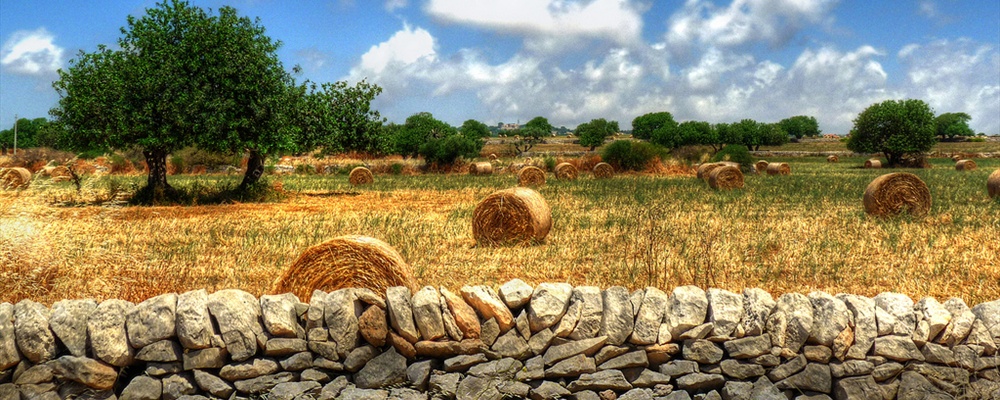

Sicily (Sicilia) is a rugged and attractive island on the southern tip of Italy, and is one of the country's 20 regions. It is separated from the mainland region of Calabria by the 5 km Straits of Messina. It can get very hot during the summer, so it is better to visit during spring and autumn, whilst it is still quite pleasant during winter.
Understand
Sicily has a long history of foreign domination, from the Greeks to the Romans, Arabs, Normans, Spanish. Even Napoleon went here for a while. The result is a mixed culture where every single domination left something to see, to taste, to hear.
Sicily is a huge island where every little city seem to have its own culture. You will find great variety of local specialities in all cities over the island.
What else ? They are proud people and most of them are a little bit conservative, but open-minded to visitors.
Regions
Agrigento Province
Caltanissetta Province
Catania Province
Enna Province
Messina Province
Palermo Province
Ragusa Province
Syracuse Province
Trapani Province
Cities
Main cities
Agrigento - to the south and particularly noted for the Valle dei Templi (Valley of Temples)(UNESCO World Heritage)
Catania - busy university city & #1 economic center, great for nightlife, the gate to Mount Etna (World Heritage)
Enna - medieval town on the top of a mountain, in the middle of Sicily
Gela - one of the most important old greek cities, archaelogical centre e sea resort on the south coast
Marsala - Interesting museum, home of the famous wine
Mazara del Vallo - Arab influences including a Couscous festival
Messina - busy city & link to the mainland
Palermo - throbbing capital, plenty of sights
Ragusa - impressive baroque architecture (UNESCO World Heritage)
Syracuse (Siracusa) - attractive old town and greek ruins (UNESCO World Heritage)
Trapani - attractive city and gateway to Pantelleria and the Egadi islands
Other cities
Alcamo
Augusta - a town north of Syracuse
Acitrezza - fisherman village on the coast of Catania
Barcellona Pozzo di Gotto
Caltabellotta - a hilltop village outside Sciacca.
Castelbuono - a very pleasing town near Cefalù which is the self proclaimed capital of the madonie national park.
Cefalù - Sicily's main beach resort, with an attractive old town
Corleone
Erice - Stunning medieval town, castle and great views over the west-coast. The cannoli at Cafe Maria are incredible and should not be missed.
Gela - important Greek vases
Milazzo - gateway to the Aeolian Islands
Modica - Baroque town (World Heritage)
Monreale - impressive norman cathedral above Palermo, offering great mosaics
Novara di Sicilia - A beautiful medieval town near Mt. Etna is listed among "I Borghi pui Belli D'Italia" (The Most Beautiful Towns in Italy) and provides a convenient central point for day trips to visit the Aeolian Islands, Tindari, Taormina, Giardini Naxos and Mount Etna.
Noto- center of Val di Noto, famous for baroque architecture (World Heritage)
Piazza Armerina - Roman Villa del Casale with fantastic mosaics (World Heritage)
Pergusa Lake and circuit.
Pozzallo - quiet south coast port
Santa Caterina Villarmosa
Sciacca - quiet south coast port
Taormina - the main resort & tourist spot. Great Teatro Greco and views of Etna and the coast.
Other destinations
Beaches
San Vito lo Capo - the most beautiful beach on the island, surrounded by mountains
Giardini Naxos - under the hill of Toarmina
Marina di Ragusa - fine golden sand with blue waters
Vendicari - Natural Reserve with a great beach.
Fiumefreddo di Sicilia - Marina di cottone - It reserves natural neighbor very beautiful river that flows in a splendid sea.
Islands
The Aeolian Islands - beautiful group of volcanic islands (World Heritage)
The Aegadian Islands relaxing islands off the west coast
Ustica - diving center near Palermo
Pantelleria - Arab-influenced solitude
The Pelagie Islands - most southern, in the Mediterranean Sea.
Mountains
Trekking in Sicily - The Trekking in Sicily is going to expand.The Parks and the Nature Reserve are not very well organized but for this reason you'll have the opportunity to enjoy and discover the Sicilian Mountains and Nature. There are some wonderful trekkings that you can do to enjoy the beauty of the main Sicilian sites like Nebrodi mountains, Madonie mountains Etna volcano etc.
Mount Etna - the impressive 3323m high active volcano
Gole dell'Alcantara - a deep impressive gorge carved by the Alcantara river on the edge of Etna
Madonie - Madonie National Park, the national Park in the Heart of Sicily
Monti Iblei - The highest peak is Monte Lauro (986mt), Parco degli Iblei.
Archaeological sites
Agrigento - famous for its Greek Temple Valley
Eraclea Minoa - Greek ruins above an attractive beach
Naxos - First Greek colony in Sicily. Today Giardini Naxos, near Taormina.
Himera or Imera - Greek colony, founded in 648.BC on the north coast.
Kamarina - Greek city dating to 598BC, built by the Corintian-Syracusan. Located at 25km from Ragusa.
Leontini - Greek colony, Today the town of Lentini
Mozia - Ancient Punic city built on the island of Mozia overlooking Marsala.
Morgantina - Greek colony in the province of Enna.
Piazza Armerina - home of impressive Roman mosaics (World Heritage)
Syracuse or Siracusa - Archeological Park of the Neapolis with stunning Greek Theatre and Roman Anfitheatre.
Segesta - another Greek temple, Theatre and ruins
Selinunte - another group of impressive Greek temples and ruins of Greek city.
Solunto - Punic ruins near Santa Flavia, Palermo.
Getting there
By plane / airports
Sicily's main airports are in Palermo and Catania.
Catania (CTA) is the larger/busyest airport, with domestic flights to most parts of Italy, some international routes and many charter flights.
Palermo (PMO) is the second aiport, with a good range of domestic flights and international budget flights.
Trapani (TPS) is the third airport with a recent increase of traffic thanks to the low-cost Ryanair and AirBee.
Ragusa/Comiso Airport (CIY) is a new airport and should open in Spring 2009 for low-cost and charter flights.
There are also two other smaller airports in Sicily on the minor islands of Pantelleria (PNL) and Lampedusa (LMP) connected to Italy.
Palermo-Boccadifalco (LICP) is a military airport open to national civil traffic.
By train
Sicily is linked to the main Italian train network at Messina. Long distance trains from Rome and Naples and Milano cross the Straits of Messina by railferry and continue on to Palermo and Catania.
From Naples, it usually takes 8 hours, 10 from Rome, The train will stop at Villa San Giovanni train station for about 10-15 minutes. And then it's rolled down to the Villa S.G ferry dock, where you wil be waiting about 20 minutes before the train roll onto one of the ferries. On the ferry, you should get on the deck and watch the sea. It's a wonderful view, but don't forget the number of your train.
The 2010 timetable offers these direct trains:
IC Roma - Napoli - Messina - Palermo / Siracusa 2x daily
ICN Roma - Palermo InterCity Notte: Nighttrain, Seats, Couchette and Sleeper
ICN Roma - Siracusa InterCity Notte: Nighttrain, Seats, Couchette and Sleeper
E Venezia - Bologna - Firenze - Palermo/Siracusa Espresso: Fast-Train with Sleeper and Couchette only
E Milano - Bologna - Firenze - Palermo/Siracusa 'Espresso: Fast-Train with Sleeper and Couchette only- E Turino - Genova - Palermo/Siracusa 'Espresso: Fast-Train with Sleeper and Couchette only
E (Milano - ) Roma - Catania - Agrigento Espresso: Fast-Train only seating accommodation; from Milano 3x per week; from Roma daily
But you don't have to take a direct train. You can also take a train from Rome to Villa San Giovanni, and walk onboard the rail ferries (or another BLUVIA ferry), and take a local train from Messina centrale to Palermo and Catania
Detailed information is available at:
Car-train There are running car-trains from Venezia and Rome to Catania and Palermo. This is great offer for those who don't want to ride a car all day. you park your car onto a train. And some hours later, you can get your car at the Catania train station or Palermo, depends on what city you bought a ticket to. The cartrains also runs along with the nighttrains, so this is a great option.
Be aware: Some Trains on the island are very slow, for example it takes more than 7 hours between Siracusa and Trapani and it's about 450 km. But The IC (InterCity) trains that travels betwen Siciliy and other italian cities, runs at much greater spead.
By bus
Long-distance buses link Rome and Naples to Catania and Palermo.
By boat
Large, cruise-ferries link Palermo with Civitavecchia, Naples, Genoa, Livorno, Sardinia and other Mediterranean destinations (Be sure to order place for your car, or yourself, if your a pedestrian.) Because only the Messina-straight ferries are open without reservation. The are also car ferries between Milazzo, the Aeolian Islands and Naples, and between Trapani and Tunis. From Catania you can reach Naples and Malta. From Messina you can reach Salerno. See all current ferry connections at TraghettiWeb.it or Ferrylines.com .
Across the Straits of Messina, there are at least hourly ferries between Messina on Sicily and Villa San Giovanni on the mainland. There are at least twenty of them, so don't worry about timetables or waiting too long. If you only drive a car, you can also drive onboard the BLUVIA rail/train ferries. There are also several hydrofoils each day between Messina and Reggio di Calabria.
If you do worry about timetables, which are not nessesary. This one takes you right into Messina city and connects you to the Palermo - Catania highway: . And this one takes you to Messina Sud (Tremestieri) And does also connect you to the highway. This route is more for the people driving towards Catania:
And there are also ferries running from Reggio Di Calabria city, to Messina-Sud (Tremestieri):
There are Catamarans and ferries running to/ from Malta from Pozzallo (90 mins) and Catania 3hrs.
Traveling around
Be careful, although public transport is very good during the week, there are not many services on Sundays - check the timetable carefully and ask the locals.
By car
The main roads are good, with four highways (Catania-Palermo, Palermo-Mazzara and Catania-Noto which are free and Messina-Palermo where you have to pay). Little roads, mainly in mountain zones, are slower but offer great views.
Motorways
A18 Messina - Catania (toll)
A18 Catania - Siracusa
A18 Siracusa - Ragusa - Gela (under costruction - open from Siracusa to Noto)
A19 Palermo - Catania (free)
A20 Messina - Palermo (toll)
A29 Palermo - Mazzara (free)
A29dir Alcamo - Trapani (free)
By train
The railway network in Sicily is quite good and cheap. Regular, quite fast trains run on the main lines between Messina and Palermo and Catania, with fewer trains on the other routes.
By bus
The bus network in Sicily is quite extensive and cheap. The main hubs are Palermo and Catania, but routes link most of the main towns frequently and most small towns at least once a day. From virtually any town you will be able to get a bus direct to Palermo. For the AST company, go to the website and click on 'Autolinee'. There is also Interbus .
By boat
There are regular ferries and hydrofoils from Sicily to its Islands, although services are somewhat reduced during Spring and Autumn and even more so during Winter. Individual companies: SIREMAR , Ustica Lines and NGI . The main routes are:
The Aeolian Islands from Milazzo. A few also run in Summer from Napoli, Cefalu, Palermo and Messina.
Ustica from Palermo.
Trapani to the Egadi Islands and Pantelleria.
Porto Empedocle (near Agrigento) to Lampedusa and Linosa
By plane
If you have less time and more money, there are flights to Pantelleria and Lampedusa.
From Enna Water Aerodrome (Nicoletti Lake) with Amphibious aircrafts you can reach the Aeolian Islands, Palermo and Siracusa.
See
Eat
Making the most of its island coasts, Sicily has one of the world's best cuisines to offer. Much of the island's food is made with creatures of the sea. Unlike in the northern parts of Italy, cream and butter are hardly used for typical dishes in Sicily. Instead, the natives usually substitute tomatoes, lard (rarely) or olive oil. The cuisine is very exotic and has many spices and unique flavors to offer. Sicilians cultivate a uniquely Sicilian type of olive tree, which they affectionately call the "saracena". The food is typically Mediterranean but there are strong hints of Arabic and Spanish flavor (Sicily was conquered by many peoples during its long history). Sicilians like spices and have particular affinity for almond, jasmine, rosemary, mint and basil.
Sicilians notoriously have a sweet tooth and are among the best dessert-makers in Italy. Try 'cannoli' (tubular pastries filled with sweet ricotta cheese), 'granita' (ices mixed with real crushed fruit and juices), and their most famous export, 'cassata' (Arabic-inspired cake). Make sure not to pass up the pine-nut and almond biscuits, as they are always a crowd pleaser.
'Arancini' (sometimes Arancine), fried rice balls with fillings, is a Sicilian fast food that is relatively cheap. They can be hard to find outside Sicily, so try them while you're there.
Drink
Sicilians are not big alcohol drinkers (Sicily has the lowest rate of alcoholism in all of Italy) despite the fact that the island is home to more vineyards than any other Italian region and has one of Italy's most progressive wine industries. Noted mainly in the past for strong bulk wines and often sweet Moscato and Marsala, the island has switched its emphasis toward lighter, fruitier white and red wines.
Sicily is divided into three main producing wine districts:
Trapani province in the west;
Etna in the east;
Noto and Ragusa on the South east tip.
Best known Sicilian wines: Nero d'Avola, Bianco d'Alcamo, Malvasia, Passito di Pantelleria, Cerasuolo di Vittoria, Etna Rosso, Etna Bianco.
Some Sicilian wine producers: Planeta; Cusumano; Tasca d’Almerita; Tenuta di Donnafugata; Feudo Principi di Butera (Zonin); Morgante; Duca di Salaparuta; Benanti; Palari; Firriato; Marco De Batoli; Salvatore Murana; Icone ( ).
Sicilians enjoy a fruity lemon liqueur called Limoncello during the long, hot and dry summers.
Talk
Natives of Sicily speak Sicilian, an ancient Romance language that is considered an entirely separate language from Italian.
Most Sicilians are proficient in Italian and modern day schools are teaching English to students. Be advised that when traveling to small villages, some of the older residents may not speak Italian (they will understand though). Even though Italian is the national language, Sicilian is still very alive in Sicily. They may ask you "Comu ti senti" instead of "Come stai" or "Come ti senti"(meaning how are you feeling instead of just "how are you").
Safety
As in most of Italy, you should be aware of pickpockets. There is not too much violence, but some neighborhoods can be hazardous, especially some suburbs in big cities like Catania, Messina or Palermo.
In the train, especially during the night, keep your wits about you and try to stay with other travellers.
Contact & location
Be the first one to add a review
The photos displayed on this page are the property of one of the following authors:
Giorgio Leggio, Piotr Jaczewski, DUILIO CAMARLINGHI, Giuseppe Bognanni, David Evers, Rosino, Gianni D.
Some photos courtesy of: . The photos provided by Flickr are under the copyright of their owners.
This travel guide also includes text from Wikitravel articles, all available at View full credits
Drew Pardus, Peter Fitzgerald, David Cross, Colin Jensen, David, Salvo, Rob Salmon, Sergey Kudryavtsev, Mike, Daniel Corbeil, Meltwaterfalls, Stacy Hall, Tim Sandell, Sweet Like Honey, Ryan Holliday, Paul N. Richter, Niels Elgaard Larsen, Evan Prodromou, David Le Brun, Daniel Cowan and enis trevisi, Graham87, Inas, Tatatabot, Wikibob, Episteme, Morph, Texugo, Ixer, Entheta, Travelbubble, Jonboy, Polocrunch, Pz-engl, Nzpcmad and Sjc196
This travel guide also includes text from Wikipedia articles, all available at View full credits