Little Corn Island is off the coast of Nicaragua in the Caribbean Sea.
Understand
The island was originally colonized by the British, and most native islanders have more in common culturally with other English-speaking Caribbean islands than they do with the mainland of Nicaragua. Many have English surnames.
Tourism on the island is still in its infancy, and what is there is small, basic and, thus far, fairly eco-friendly. Most of the places to stay rely on solar and wind power for their electricity, and many have their own wells which draw drinkable water and/or collect rain water. The people are typically friendly, laid back and genuine.
Getting there
Almost everyone reaches the island via the twice-daily panga (ferry), which leaves Big Corn Island at 10AM and 4:30PM, and leaves Little Corn at 7AM and 2PM. The price of the panga is 110 Cordobas (US$6). The ride takes between 30 and 45 minutes and can get very rough. The back of the boat is less rough, while the front is less wet. Sitting on your life vest will help ease the pain in your ass.
You'll need to reconfirm your flight from Big Corn Island back to the mainland 24 hours before; if you're patronizing one of the dive shops they'll do it for you.
Traveling around
The island is walkable, and in fact you have no choice... there´s not a single motorized vehicle on the island, and no roads on which to drive anyhow. There´s a paved sidewalk along the west coast near the pier, and beyond that you´re hiking through narrow dirt paths through the jungle-like interior of the island. You could walk the length of the island in less than an hour, though the paths get muddy and slippery very quickly during the rain. You can walk most of the east side of the island along the beach, with a couple of tricky spots at high tide.
There are bicycles on the island, though take care on the rough dirt paths. Ask at your guesthouse if interested. If you (rightfully) choose to run around barefoot, keep an eye out for broken glass.
See
There's not a whole lot to see on the island, per se, other than the deep blue sea. There are a couple of tiny and uninteresting churches, and a couple of sunken boats to gaze at offshore.
A run down lighthouse lies on the northwestern-ish part of the island, next to the giant cell phone tower that dwarfs it. It´s climbable and offers an awesome view of the whole island, but take care on the ladder, and think twice if you´re afraid of heights.
There is a football (soccer) field in the center of the island which might see an impromtu match a couple times a year, and a slightly less run-down baseball field further north from the lighthouse.
Things to do
Dive Little Corn, , 8AM-5:30PM daily, just south of the dock, A well run dive shop, that can do PADI courses up through instructor. Same owner as Casa Iguana.
Dolphin Divers, +505 690 0225, +505 690 0225, at Hotel Delfines, south of the dock, Managed by the lovely Sandy, this is the other well-run dive shop on the island. PADI courses are available up through dive master, they employ locals, and profits remain on the island.
Clean up the island – the one real shame of the island is that its coast is cluttered with litter, some local, but most claim that it washes up from Colombia, cruise ships etc. If you're bored, try and inspire one of the dive shops or larger guesthouses to organize an island cleanup day.
Eat
The empanada man turns up around 1pm near the port with some empanada-esque fried thingys, filled with meat, and sometimes pineapple and plantains, and all super tasty. Coconut bread is another local specialty, sometimes served in restaurants, but otherwise purchased off little girls wandering the island occasionally for C$5.
Cool Spot, south of the port, This popular place straddles the sidewalk, but it´s all about the beachside stand where you can pull up a barstool and get something cold to drink, or partake in their simple but tasty meals. The veggie spaghetti is decent.
Habana Libre, just north of the port, This spot is very popular with foreigners, and serves up delicious chicken and pork dishes. Some of the specialties require advance ordering.
Farm Peace & Love, north side of island, just east of Ensueños, Paola is a lovely Italian woman, cooking up truly superb Italian fare out of her house. A 3 course dinner runs US$15/person, and ingredients are often grown fresh on her farm, including milk from her cows. Reservations are needed 24 hours in advance, either by dropping by or having Dive Little Corn or Casa Iguana contact her by radio.
Drink
Beer is available at most guesthouses and restaurants around the island, as is the usual Flor de Caña rum. However, a boycott of Flor de Caña was underway (Feb 2010) because of mistreatment of sugar cane workers by the parent company.
Sleep
There are few boring hotels near the port, while the rest of the more rustic places are scattered around the island. Note that the island has an almost constant easterly breeze, keeping the eastern and northern sides cool, while the western side near the port swelters in the sun most of the day. The wind also helps to keep the mosquitos and sandflies to a minimum, which you may want to consider in choosing your accommodation.
Near the port
Hotel Los Delfines, , Rooms are airconditioned, televised, and have their own bathrooms with hot water. Probably the nicest of the hotels near the port. There´s an internet cafe and phone booth on site. Mastercard and Visa are accepted.
Lobster Inn, +505 847-1736
The east
Casa Iguana, towards the southeast, head south from the port and follow the signs, The is one of the more popular places with more infrastructure than most, and largely self-sustainable. Huts are rather plain and boring, but the beds are comfortable, in-room safes are provided, and good food is served in the restaurant at breakfast (no reservation needed) and dinner (7PM, family style, reserve in advance). They´ve got drinkable well water, have recycling bins, and run on solar and wind power. Prices are a bit steep, however. The manager usually meets the ferry at the port to greet arriving guests. Mastercard and Visa accepted.
Further north, there are 3 places all next to each other, which have the cheapest huts on the island, beachfront restaurants in the sand serving whatever is available that day, and little to distinguish them from each other. While some have an official name, most are known by their owners name. From top to bottom:
Carlito's / Sunrise Paradise, Probably the best of the 3 by a small margin, especially if you can score one of the 3 beachfront huts. Their huts are on stilts which may help distance you from critters.
Grace's / Cool Spot, Huts are a little crammed together and suffer from a heinous paint job, but are otherwise ok. Restaurant is fine, and she runs another one near the port.
Elsa's Place, Sweet old Elsa runs this old cheapie, and her restaurant turns out a tasty fried fish. Huts are set back a bit from the beach, with the prime real estate given to tables and chairs.
The north
Derek's Place, at the northeast point of the island, take the trail from the north of Dive Little Corn and stay straight at all crossroads, Probably the most desirable spot on the island to many, they´ve got 4 beautiful huts made creatively from natural materials strewn across a bright green grassy lawn overlooking the sea. Derek and Anna are both quite interesting, and serve up 3 meals on request, including the best family-style dinner on the island. There are 3 huts with double beds, and 1 larger hut with 2 double beds and glass bottle walls, all with comfortable mattresses. It´s about a 20 minute walk through the jungle to get here from the port, or if you´ve made a reservation you can request Derek to pick you up from the port in his boat.
Ensueños, head north from the port and follow the signs for about 20-30 minutes, Along the north of island, this place, run by the friendy Ramon, is fairly remote and popular with long-term travelers. Huts are decent and unusual, and everything is set further back from the beach than most, under the palm trees. There´s a restaurant on site which serves good food on request.
Talk
Almost everyone on the island speaks both passable Spanish and English, the latter being the first language of most who are native to the island. The English spoken, however, is heavily Caribbean, and real communication can be far from effortless. There are many inhabitants who have come over from mainland Nicaragua and consequently speak Spanish as a first language, and others who speak Miskito and other Caribbean languages or dialects.
Fish
Fishing out of Little Corn is casual and often productive. No fighting chairs, no license required, just rods in PVC rod holders while trolling ballyhoo baits from an open 20 ft panga. Elvis and Alfonso can be contacted by asking in the village. Elvis charges $35 per person for a 3 hr trip. King mackerel, barracuda, and mahi mahi (dorado) are surprisingly abundant.
The island is relatively safe and few travelers encounter problems, but you should definitely take the normal precausions and not let the peacefulness get your guard down. Violent incidents are rare, but have happened in the past.
Carry a flashlight (torch) if you won´t be back before dark, getting lost in the jungle wouldn´t be fun for most people.
There are a lot of dogs running around the island, and while usually friendly, keep your eye on em. A flashlight in their eyes at night or a rock between them in the day can work wonders.
Contact & location
Be the first one to add a review
The photos displayed on this page are the property of one of the following authors:
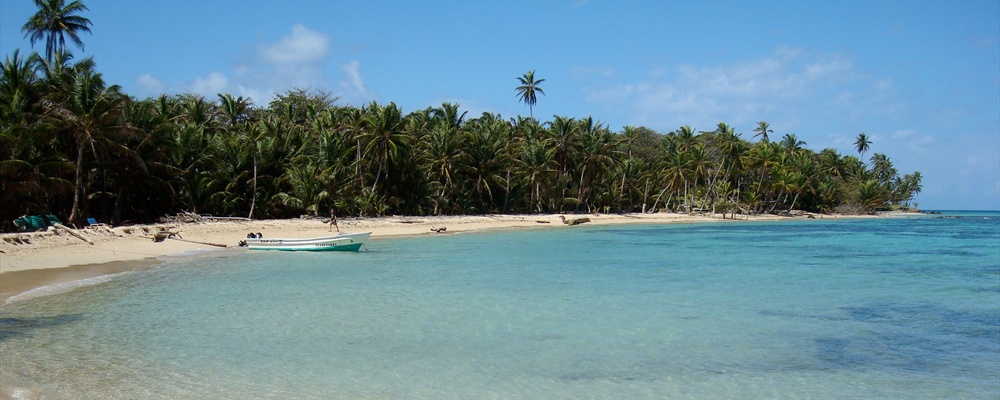
Little Corn Island is off the coast of Nicaragua in the Caribbean Sea.
Understand
The island was originally colonized by the British, and most native islanders have more in common culturally with other English-speaking Caribbean islands than they do with the mainland of Nicaragua. Many have English surnames.
Tourism on the island is still in its infancy, and what is there is small, basic and, thus far, fairly eco-friendly. Most of the places to stay rely on solar and wind power for their electricity, and many have their own wells which draw drinkable water and/or collect rain water. The people are typically friendly, laid back and genuine.
Getting there
Almost everyone reaches the island via the twice-daily panga (ferry), which leaves Big Corn Island at 10AM and 4:30PM, and leaves Little Corn at 7AM and 2PM. The price of the panga is 110 Cordobas (US$6). The ride takes between 30 and 45 minutes and can get very rough. The back of the boat is less rough, while the front is less wet. Sitting on your life vest will help ease the pain in your ass.
You'll need to reconfirm your flight from Big Corn Island back to the mainland 24 hours before; if you're patronizing one of the dive shops they'll do it for you.
Traveling around
The island is walkable, and in fact you have no choice... there´s not a single motorized vehicle on the island, and no roads on which to drive anyhow. There´s a paved sidewalk along the west coast near the pier, and beyond that you´re hiking through narrow dirt paths through the jungle-like interior of the island. You could walk the length of the island in less than an hour, though the paths get muddy and slippery very quickly during the rain. You can walk most of the east side of the island along the beach, with a couple of tricky spots at high tide.
There are bicycles on the island, though take care on the rough dirt paths. Ask at your guesthouse if interested. If you (rightfully) choose to run around barefoot, keep an eye out for broken glass.
See
There's not a whole lot to see on the island, per se, other than the deep blue sea. There are a couple of tiny and uninteresting churches, and a couple of sunken boats to gaze at offshore.
A run down lighthouse lies on the northwestern-ish part of the island, next to the giant cell phone tower that dwarfs it. It´s climbable and offers an awesome view of the whole island, but take care on the ladder, and think twice if you´re afraid of heights.
There is a football (soccer) field in the center of the island which might see an impromtu match a couple times a year, and a slightly less run-down baseball field further north from the lighthouse.
Things to do
Dive Little Corn , , 8AM-5:30PM daily, just south of the dock, A well run dive shop, that can do PADI courses up through instructor. Same owner as Casa Iguana.
Dolphin Divers , +505 690 0225, +505 690 0225, at Hotel Delfines, south of the dock, Managed by the lovely Sandy, this is the other well-run dive shop on the island. PADI courses are available up through dive master, they employ locals, and profits remain on the island.
Clean up the island – the one real shame of the island is that its coast is cluttered with litter, some local, but most claim that it washes up from Colombia, cruise ships etc. If you're bored, try and inspire one of the dive shops or larger guesthouses to organize an island cleanup day.
Eat
The empanada man turns up around 1pm near the port with some empanada-esque fried thingys, filled with meat, and sometimes pineapple and plantains, and all super tasty. Coconut bread is another local specialty, sometimes served in restaurants, but otherwise purchased off little girls wandering the island occasionally for C$5.
Cool Spot, south of the port, This popular place straddles the sidewalk, but it´s all about the beachside stand where you can pull up a barstool and get something cold to drink, or partake in their simple but tasty meals. The veggie spaghetti is decent.
Habana Libre, just north of the port, This spot is very popular with foreigners, and serves up delicious chicken and pork dishes. Some of the specialties require advance ordering.
Farm Peace & Love , north side of island, just east of Ensueños, Paola is a lovely Italian woman, cooking up truly superb Italian fare out of her house. A 3 course dinner runs US$15/person, and ingredients are often grown fresh on her farm, including milk from her cows. Reservations are needed 24 hours in advance, either by dropping by or having Dive Little Corn or Casa Iguana contact her by radio.
Drink
Beer is available at most guesthouses and restaurants around the island, as is the usual Flor de Caña rum. However, a boycott of Flor de Caña was underway (Feb 2010) because of mistreatment of sugar cane workers by the parent company.
Sleep
There are few boring hotels near the port, while the rest of the more rustic places are scattered around the island. Note that the island has an almost constant easterly breeze, keeping the eastern and northern sides cool, while the western side near the port swelters in the sun most of the day. The wind also helps to keep the mosquitos and sandflies to a minimum, which you may want to consider in choosing your accommodation.
Near the port
Hotel Los Delfines , , Rooms are airconditioned, televised, and have their own bathrooms with hot water. Probably the nicest of the hotels near the port. There´s an internet cafe and phone booth on site. Mastercard and Visa are accepted.
Lobster Inn, +505 847-1736
The east
Further north, there are 3 places all next to each other, which have the cheapest huts on the island, beachfront restaurants in the sand serving whatever is available that day, and little to distinguish them from each other. While some have an official name, most are known by their owners name. From top to bottom:
Carlito's / Sunrise Paradise, Probably the best of the 3 by a small margin, especially if you can score one of the 3 beachfront huts. Their huts are on stilts which may help distance you from critters.
Grace's / Cool Spot, Huts are a little crammed together and suffer from a heinous paint job, but are otherwise ok. Restaurant is fine, and she runs another one near the port.
Elsa's Place, Sweet old Elsa runs this old cheapie, and her restaurant turns out a tasty fried fish. Huts are set back a bit from the beach, with the prime real estate given to tables and chairs.
The north
Derek's Place , at the northeast point of the island, take the trail from the north of Dive Little Corn and stay straight at all crossroads, Probably the most desirable spot on the island to many, they´ve got 4 beautiful huts made creatively from natural materials strewn across a bright green grassy lawn overlooking the sea. Derek and Anna are both quite interesting, and serve up 3 meals on request, including the best family-style dinner on the island. There are 3 huts with double beds, and 1 larger hut with 2 double beds and glass bottle walls, all with comfortable mattresses. It´s about a 20 minute walk through the jungle to get here from the port, or if you´ve made a reservation you can request Derek to pick you up from the port in his boat.
Ensueños, head north from the port and follow the signs for about 20-30 minutes, Along the north of island, this place, run by the friendy Ramon, is fairly remote and popular with long-term travelers. Huts are decent and unusual, and everything is set further back from the beach than most, under the palm trees. There´s a restaurant on site which serves good food on request.
Talk
Almost everyone on the island speaks both passable Spanish and English, the latter being the first language of most who are native to the island. The English spoken, however, is heavily Caribbean, and real communication can be far from effortless. There are many inhabitants who have come over from mainland Nicaragua and consequently speak Spanish as a first language, and others who speak Miskito and other Caribbean languages or dialects.
Fish
Fishing out of Little Corn is casual and often productive. No fighting chairs, no license required, just rods in PVC rod holders while trolling ballyhoo baits from an open 20 ft panga. Elvis and Alfonso can be contacted by asking in the village. Elvis charges $35 per person for a 3 hr trip. King mackerel, barracuda, and mahi mahi (dorado) are surprisingly abundant.
The island is relatively safe and few travelers encounter problems, but you should definitely take the normal precausions and not let the peacefulness get your guard down. Violent incidents are rare, but have happened in the past.
Carry a flashlight (torch) if you won´t be back before dark, getting lost in the jungle wouldn´t be fun for most people.
There are a lot of dogs running around the island, and while usually friendly, keep your eye on em. A flashlight in their eyes at night or a rock between them in the day can work wonders.
Contact & location
Be the first one to add a review
The photos displayed on this page are the property of one of the following authors:
Dan..
Some photos courtesy of: . The photos provided by Flickr are under the copyright of their owners.
This travel guide also includes text from Wikitravel articles, all available at View full credits
Genehelfman, Peter Fitzgerald, Kai Kranz, Fabian and Peter James, Cacahuate, Rafcha and Morph
This travel guide also includes text from Wikipedia articles, all available at View full credits